
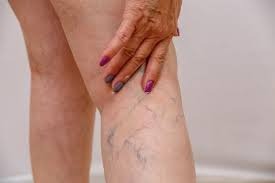
Veins play a vital role in maintaining proper blood circulation throughout the body. When a vein collapses, blood flow is disrupted, which can lead to discomfort, swelling, or other complications. Many patients are unaware of the risks of untreated collapsed veins and why timely evaluation is important.
At Vascular & Interventional Specialists of Prescott (VISP), our team provides advanced evaluations and minimally invasive treatments to help patients manage vein conditions safely and effectively.
Why Collapsed Veins Occur
Collapsed veins can result from a variety of factors, including trauma, repeated medical procedures, dehydration, inflammation, or underlying vascular conditions. Frequent IV access, repeated blood draws, or injury to the vein can weaken its walls, making them more susceptible to collapse. Certain medical conditions affecting circulation may also increase the risk.
Identifying the cause of a collapsed vein is essential in understanding the potential long-term effects if left untreated.
Recognizing a Collapsed Vein
Knowing the signs of vein collapse can help you seek care early. Symptoms may include:
- Tenderness or pain along the affected vein
- Swelling or puffiness in the surrounding area
- Discoloration of the skin near the vein
- Difficulty using the vein for injections or blood draws
- Reduced blood flow or a feeling of tightness
If these symptoms persist, professional evaluation is recommended to prevent complications.
The Risks of Untreated Collapsed Veins
Leaving a collapsed vein untreated can lead to several complications. Some of the risks of untreated collapsed veins include:
- Impaired Circulation
Collapsed veins reduce blood flow, which can lead to pooling of blood in surrounding areas. This may increase the risk of swelling, discomfort, and further vascular complications. - Pain and Discomfort
Persistent pressure or reduced blood flow can cause chronic pain, tenderness, and difficulty using the affected limb. - Increased Risk During Medical Procedures
Collapsed veins can complicate IV access or blood draws, making future procedures more difficult and potentially increasing the risk of further vein injury. - Potential for Infection or Inflammation
Damaged veins may be more susceptible to inflammation or infection, particularly if frequent needle access or trauma has occurred. - Long-Term Circulatory Issues
Over time, untreated vein collapse may contribute to chronic circulatory problems, including vein insufficiency and increased strain on surrounding veins.
How VISP Can Help
At VISP, our specialists evaluate each patient to determine the severity of the vein collapse and the best treatment options. Using advanced imaging and minimally invasive techniques, we can restore proper blood flow, reduce discomfort, and prevent further vascular complications.
Personalized care plans are designed to address the underlying cause, minimize recovery time, and promote long-term vein health. Early intervention is key to reducing the risks associated with untreated collapsed veins.
Supporting Long-Term Vein Health
Even after treatment, patients can take steps to maintain vein health and prevent future issues:
- Stay hydrated to support blood circulation
- Avoid repeated trauma or pressure on vulnerable veins
- Follow professional guidance for IV access or injections
- Schedule regular vascular check-ups
Proactive management ensures veins remain healthy, circulation is optimized, and complications are minimized.
Final Thoughts
Understanding the risks of untreated collapsed veins highlights the importance of timely medical evaluation. While some vein issues may seem minor, delayed care can lead to pain, complications, and circulatory problems.
At Vascular & Interventional Specialists of Prescott, patients receive expert evaluation, personalized treatment, and advanced care designed to restore vein function and overall vascular health. Early intervention helps ensure comfort, safety, and long-term circulation support.
