
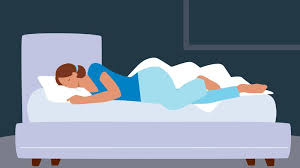
Sleep apnea affects millions of people, causing repeated breathing interruptions throughout the night that leave sufferers exhausted, increase health risks, and diminish quality of life. While CPAP therapy remains the gold standard treatment, many patients don’t realize how significantly their sleep position impacts symptom severity. Understanding the relationship between positioning and breathing can help apnea patients optimize their treatment and potentially reduce symptom frequency.
Why Position Matters for Breathing
Obstructive sleep apnea occurs when throat muscles relax during sleep, causing airways to narrow or collapse. Gravity plays a major role in this process. When sleeping on your back, gravity pulls the tongue and soft tissues backward toward the throat, making airway obstruction more likely and more severe.
Studies consistently show that many sleep apnea patients experience significantly worse symptoms in the supine (back-sleeping) position compared to side sleeping. Some patients classified as having moderate to severe apnea when sleeping on their backs show only mild symptoms when sleeping on their sides, a dramatic difference in breathing disruption. This positional dependency means that for some patients, simply changing sleep position can reduce apneic events by 50% or more.
The Back-Sleeping Problem
Back sleeping creates the perfect storm for airway collapse. The tongue falls backward, the soft palate drops, and the jaw shifts in ways that narrow the airway. For sleep apnea pillows designed to address this issue, the focus is often on elevating the upper body to reduce these effects.
Even CPAP users can experience more effective therapy when not sleeping flat on their backs. The machine works harder to maintain pressure when fighting against gravity, and many users report better comfort and fewer mask leaks in elevated or side-sleeping positions.
This positional dependency means that for some patients, simply changing sleeping positions can reduce apneic events by 50% or more.
Elevation as a Treatment Strategy
Raising the upper body during sleep (typically at a 30 to 45 degree angle) helps keep airways more open by changing the gravitational pull on throat tissues. This incline positioning can be particularly effective for patients with mild to moderate apnea or those who struggle with CPAP compliance.
Elevation also addresses other common issues that accompany sleep apnea, including acid reflux (which can worsen apnea symptoms) and nasal congestion. Many apnea patients have multiple factors contributing to their breathing difficulties, and proper positioning addresses several simultaneously.
Side Sleeping Benefits and Challenges
Side sleeping is often recommended as the optimal position for apnea patients. This position naturally keeps airways more open and reduces the likelihood of tongue-based obstruction. However, maintaining side sleeping throughout the night isn’t easy for habitual back sleepers.
Additionally, side sleeping creates its own challenges in the form of shoulder pain, hip discomfort, and the tendency to roll onto your back during deep sleep stages. Without proper support, people attempting to side sleep for apnea management often wake up on their backs anyway, negating the intended benefit. Sleep apnea pillows that support the whole body with elevation during side or back sleeping are key to improving long-term sleep quality in those with apnea and snoring.
CPAP Considerations
For the millions using CPAP therapy, sleep position affects treatment effectiveness in multiple ways. Mask positioning, seal quality, and overall comfort all depend on how you’re positioned. Standard pillows can push against CPAP masks, creating leaks that reduce therapeutic pressure and trigger machine alarms that disrupt sleep.
Sleep apnea pillows designed for CPAP users typically feature contours that accommodate masks and tubing without interference. This design consideration can mean the difference between successful CPAP compliance and abandoning treatment due to discomfort.
Positional Therapy Options
Some patients pursue positional therapy as either a primary treatment (for mild positional apnea) or as a complement to CPAP. This approach uses various methods to encourage side sleeping and discourage back sleeping. Options range from simple tennis-ball-in-shirt techniques to sophisticated vibrating devices that alert you when you roll onto your back.
Specialized support systems that make side sleeping genuinely comfortable tend to have better long-term compliance rates. When side sleeping feels natural and restful rather than forced, patients are more likely to maintain the position throughout the night.
Beyond the Bedroom
It’s worth noting that sleep position isn’t the only factor in apnea management. Weight loss, alcohol avoidance before bed, treating nasal congestion, and addressing any anatomical issues all play roles. However, optimizing sleep position is one of the most accessible interventions available, and for some patients, it can be genuinely transformative.
Working with Your Sleep Specialist
Before making significant changes to your sleep setup, discuss positioning strategies with your sleep medicine physician. They can review your sleep study results to determine whether you have positional apnea and whether positional therapy might benefit your specific situation. For many apnea patients, the right combination of treatment, positioning, and support creates the pathway to genuinely restorative sleep.
