
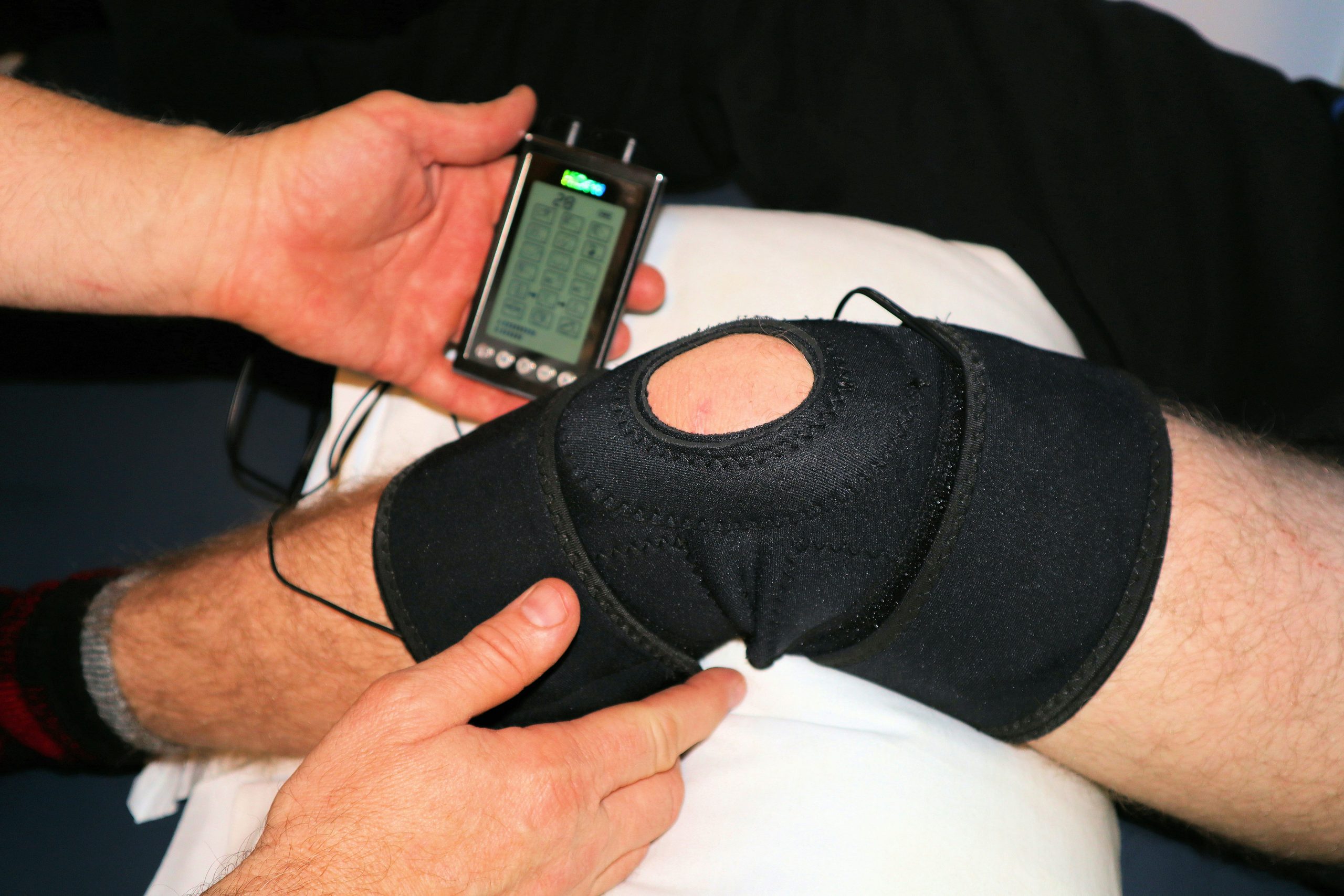
Knee pain is a knee condition that millions of people across the world deal with, regardless of what age or lifestyle they are living. It could come from an injury or overuse, aging, chronic conditions such as osteoarthritis and the pain is enough to hinder mobility and diminish quality of life. Traditional medical modalities have long been the mainstay in treating knee pain however, people are beginning to see that holistic management of knee pain most commonly will involve a combination of natural and modern medicinal approaches.
A holistic approach does not exclude scientific medicine, it inclines towards it. This integrated approach provides a more sustainable route to recovery and long-term joint health by targeting not just the physical symptoms exhaustively but also addressing underlying factors such as lifestyle, nutrition, and overall wellbeing.
View of Knee Pain in a Total Body View
If you want to properly manage knee pain, instead of equating the body as a decentralized silo, think of your body as a system. Knees do not work in a vacuum. Muscles, ligaments and joints all play their part in how stress is spread over the body, even posture. And if one is out of whack, it puts even more stress on the knees.
So, weak core muscles or tight hip flexors can change the way you walk, making uneven pressure on the knee joint. Likewise, the inflammation that occurs within the body (influenced in large part by diet and lifestyle) can worsen joint pain. A holistic approach accounts for and seeks to treat the root cause, not just the symptoms.
Knee Pain and How Natural Remedies Can Help
For centuries, natural remedies have provided pain-relieving effects and contributed to healing. Much of this approach has been shown by new science and research, leading to a line of science that complements treatments we conduct today.
Turmeric and ginger are herbal treatments that have anti-inflammatory effects. Regularly adding these natural compounds to the diet might help reduce swelling and discomfort. Likewise, omega-3 fatty acids (in fish and some plant oils), which reduce inflammation, are good for joint health.
Localized relief also has many topical applications, including herbal oils and balms. These remedies might not be a substitute for medical treatments, but they can help you feel more comfortable and assist your body in its natural healing.
Nutrition From the Ground Up to Protect Joints
Diet is an important factor in how healthy joints remain. A diet high in nutrients is the key to supplying the body with what it needs for tissue repair and allowing systemic inflammation tractability. Antioxidants, vitamins and minerals foods that have been shown to protect joint structures and sustain long-term mobility.
Calcium and vitamin D for strong bones, while vitamin C for collagen production is important to keep cartilage in good shape. Hydration is key, it helps to keep joints lubricated and moving properly.
This will have a dramatic impact on the overall management of knee pain just with incorporating an anti-inflammatory diet consisting of whole foods, fresh fruits and vegetables and lean proteins into your lifestyle. Reducing the consumption of processed foods and excess sugar may help reduce inflammation as well.
Physical Activity and Movement Therapy
Movement is a fundamental part of natural and even medical approaches to knee pain. It might seem counterintuitive to move when in discomfort, but exercise can significantly improve joint function and pain over time.
Low-impact exercises (e.g., swimming, yoga, and cycling) are especially valuable. These exercises build the muscle surrounding the knee and minimize joint strain. Stability exercise strengthens the knee and improves range of motion flexibility training to reduce stiffness.
Mind–body practices (like yoga and tai chi) add another component to mind-body therapy: physical exercise combined with relaxation techniques. Stress does affect the perception of pain, and these practices can help alleviate it.
The Role of Treatments based on Contemporary Medicine
Natural remedies and lifestyle changes are great but in more persistent or severe cases of knee pain, modern medical treatments can offer better targeted solutions. Physical therapy, medications and injection-based treatments are viable options that can greatly help. Over the last few years, less invasive procedures have become more popular as they can provide effective results with a much quicker recovery time.
To receive overarching care, resources such as Centers For Knee Pain can place patients in contact with more complex forms of treatment that could be slotted into an all-encompassing wellness regimen. The blend of expertise and innovation enables patients to discover custom solutions for their needs.
Integrating Natural and Medical Approaches
What power there is in the holistic approach comes from its combination of various techniques into an overall plan. Instead of opting for either natural healing practices or medical interventions, people can enjoy the perks that come when they are combined and employed together.
For example, a patient with physical therapy may also modify his diet to an anti-inflammatory one and add herbal products for recovery. Just as a patient undergoing medical treatment can enhance their outcomes by exercising and practicing stress management.
This integrative model targets not only immediate manifestations, but also fosters durable wellness and strength in the patient.
Chronic knee pain affects mental and emotional well-being. This lost movement, chronic pain and alteration of life styles can cultivate frustration, anxiety and depression. One that recognizes the necessity of which all must be addressed to heal.
Mindfulness such as meditation and relaxation are known for stress management and general wellbeing. These methods might alleviate pain by reducing the process which leads to mental exhaustion, in return pain no longer felt as severe.
The support from healthcare professionals, family and community ultimately creates an environment for healing to flourish.
Preventive Strategies for Long-Term Relief
Treating them is just as important as preventing knee pain. An early-stage treatment can keep the joints healthy and prevent most problems. One of the best ways to safeguard against foot problems is to keep a healthy weight; excess weight comes down via the knees, including greater load on joints.
There is such a thing as ergonomics and how you hold yourself in your seat. Just knowing some minor tweaks in your daily routines like wearing supportive footwear or keeping proper alignment while working out can help a lot.
Regular check-ups and early intervention are the most important keys to spotting potential problems before they develop into more serious issues. Individuals can mitigate joint health decline by paying attention to changes within the body and acting quickly.
The End of Knee Pain Treatment as Usual
Yet in the movement of research as it becomes more sophisticated, the convergence between natural and medical methodologies is being clear. Regenerative medicine and personalized treatment plans, along with data-driven healthcare are paving the road to better knee pain management in the future.
This shortlist of innovations understand the need for precision and effectiveness, whilst respecting the bigger picture. The increased acceptance of holistic care is a symptom of the larger health-care trend due to change in clinical practice: Focus on the patient not only with regard to the disease.
By following this approach, results are improved and individuals are able to become more participative in their health journey.
Conclusion
Categories along the holistic approaches to knee pain provide for a way to co-op and design comfort all in all, or door out any issues that may come up. Using natural solutions, combined with healthy eating, physical exercise, and modern medicine treatments, one patient can handle both: the symptoms during a short period and the triggers for his illness over a longer time span.
This comprehensive strategy emphasizes that the body should be treated as a whole, with acknowledgement of how physical health, lifestyle and emotional wellbeing are inter-related. However, with the right care and commitment it is possible to find relief that lasts long enough for you to enjoy life fully.
Knee pain is just a challenge, it does not need to be a permanent disability. With some careful and comprehensive tactics, one can recapture their health and advance with conviction.
