
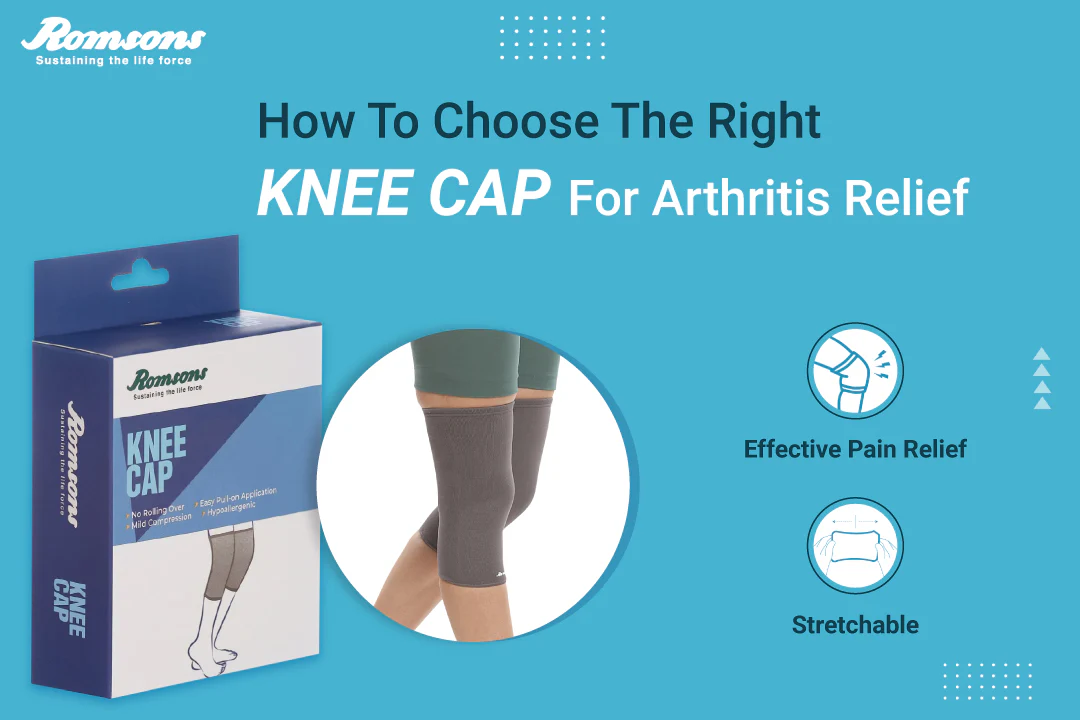
Living with arthritis in the knees can totally feel like an uphill battle against your own body. For many, the simple act of standing up from a chair or walking to the mailbox becomes a source of dread. This is where a knee cap or brace enters the picture.
These tools are ultimately designed to provide stability, reduce pain as well as help you regain some of the freedom that joint inflammation often steals away. If you are struggling with stiffness, swelling, or a feeling that your knee might give out, understanding how to use these supports effectively is the first step toward better mobility.
Does a Knee Brace Help Arthritis Pain
The short answer is yes. A knee brace or cap helps arthritis pain by addressing several physical issues at once. Arthritis, particularly osteoarthritis, involves the wearing down of cartilage. This leads to bone-on-bone friction which causes inflammation. When you wear a support, it provides compression.
This pressure helps manage swelling and keeps the joint warm, which can soothe the deep ache associated with the condition. Furthermore, a brace can help realign the joint. By shifting weight away from the most damaged part of the knee, a brace reduces the mechanical stress on the joint, allowing you to move with less discomfort.
Knee Cap Support for Osteoarthritis Seniors
For seniors, the priority is often safety and the prevention of falls. Osteoarthritis can make the knee feel unstable or weak. A knee cap support for osteoarthritis seniors provides that extra layer of confidence.
It acts as a tactile reminder for the brain to stay aware of the knee position, a concept known as proprioception. For older adults, a simple sleeve or a wrap-around model can make the difference between staying active in the garden and being confined to a recliner. These supports are generally lightweight and easy to put on, which is vital if hand strength is also a concern due to arthritis in the fingers.
Knee Pain Relief Devices for Arthritis
While there are many knee pain relief devices for arthritis, ranging from TENS machines to heat pads, the knee cap remains the most accessible and practical for daily use. It is a passive device that works while you move. Unlike electrical stimulators that require you to sit still, a knee cap allows for active management of symptoms. It functions as a portable stabilization system that travels with you, offering constant reinforcement to the ligaments and tendons surrounding the joint.
Knee Brace for Arthritis and Swelling
If you deal with a knee brace for arthritis and swelling, compression is your best friend. Modern compression sleeves are made from breathable, medical-grade fabrics that apply even pressure around the entire joint. This pressure helps the body reabsorb excess fluid, which reduces that tight, heavy feeling in the knee. By keeping the swelling down, you also maintain a better range of motion, as a swollen knee is much harder to bend.
Knee Support for Walking and Mobility
For those focused on knee support for walking and mobility, the goal is to find a balance between stability and flexibility. You want a support that is sturdy enough to prevent the knee from wobbling but flexible enough to allow a natural walking stride.
For long walks or light hiking, a sleeve with flexible side stabilizers can provide the necessary lateral support without the bulk of a heavy metal hinge. This allows you to stay active longer, which is actually one of the best ways to manage arthritis symptoms long-term.
Arthritis Knee Pain Reduction Strategies
Managing this condition requires a multi-pronged approach. Arthritis knee pain reduction strategies should include low-impact exercise, weight management, and the strategic use of supports. Using a knee cap is not a cure, but it is a tool that enables other healthy habits.
For instance, if a knee cap reduces your pain enough to allow a 20-minute walk, that walk helps strengthen the muscles around the joint, which eventually reduces the load on the bone.
What Features Matter in an Arthritis Knee Cap?
When considering what features matter in an arthritis knee cap, look for three things: breathability, ease of use, and targeted support. Breathable fabric of the knee cap totally prevents the area from becoming itchy or overheated. Ease of use is vital if you have limited mobility; wrap-around styles are often easier than pull-on sleeves. Targeted support, like the aforementioned patella rings or side stays, ensures the brace addresses your specific pain points rather than just providing general pressure.
Are Hinged Braces Better Than Compression Sleeves?
The ultimate choice between the two totally depends on the severity of your condition. Hinged braces are generally better for advanced arthritis where there is significant instability or a risk of the knee buckling. They have metal or plastic joints on the sides that literally take the weight off the leg. Compression sleeves are better for mild to moderate pain and swelling where mobility is still relatively good. Sleeves are less bulky and can easily be worn under clothing.
Can Wearing a Knee Brace Make Knee Pain Worse?
It is quite rare, but wearing a knee brace can make knee pain worse if the fit is incorrect. If the brace is too tight, it can compress nerves or hinder blood flow. If it is too loose, it can totally rub against the skin and cause irritation or fail to provide the support needed, leading to a false sense of security and potential injury. Additionally, if you use a brace that is too rigid for your needs, it may force other joints like the hip or ankle to overcompensate, leading to new pains elsewhere.
Conclusion
Knee caps and braces for men and women are valuable tools for managing arthritis-related knee pain. They totally provide stability, reduce swelling, and allow for greater mobility, helping individuals maintain an active lifestyle. While they are not a cure, the right support for every day pain management whether a compression sleeve or a hinged brace can make daily activities more comfortable and reduce the risk of falls, particularly for seniors.
Choosing a knee support that fits quite well, targets your specific pain points, and balances stability with flexibility is key. Combined with exercise, weight management, and other healthy habits, using a knee cap can significantly improve quality of life and empower those with arthritis to stay active and independent.
