
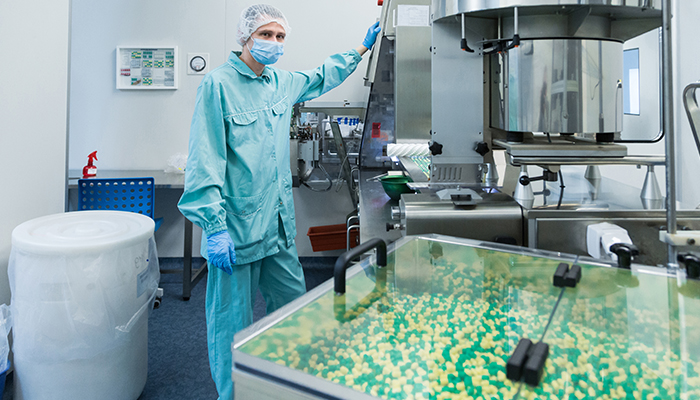
The growth of the Pharmaceuticals Manufacturing sector has transformed global healthcare by ensuring safe, effective, and affordable medicines reach patients worldwide. With a strong pharmaceutical ecosystem, companies in India are now recognized as a leading force in the global pharmaceutical market. Today, many businesses aim to establish themselves as a reliable pharmaceutical manufacturing company to compete in this expanding industry.
India has become a major centre for pharma manufacturing, supported by innovation, government initiative programs like Make in India, and advanced manufacturing facilities. From Mumbai to Pune, the country has developed into a powerful hub for pharmaceutical production, attracting both domestic and multinational companies.
However, succeeding in pharmaceutical manufacturing involves more than production. It requires regulatory compliance, strong manufacturing capabilities, and continuous innovation. This step-by-step guide explains everything you need to know about building and managing a successful pharmaceutical manufacturing operation.
Step 1: Understand the Pharmaceutical Industry in India
Before entering the market, it is essential to understand the pharmaceutical industry in India. The sector includes indian pharmaceutical companies, global multinationals, and emerging startups working across multiple segments.
India is home to some of India’s largest and top pharmaceutical firms, known for producing affordable medicines and exporting globally. The industry is considered a pioneer in delivering cost-effective healthcare solutions. Understanding market demand, regulations, and competition will help position your business effectively.
Step 2: Define Your Pharma Manufacturing Model
Choosing the right business model is crucial for success. You can operate as a full-scale pharma company or focus on specialized areas.
Common models include API manufacturing (Active Pharmaceutical Ingredients), production of pharmaceutical formulations, CDMO (Contract Development and Manufacturing) services, and third party manufacturing for other brands.
Many companies today prefer cdmo and contract development and manufacturing models, offering end-to-end solutions to clients worldwide.
Step 3: Set Up Manufacturing Facilities
A strong infrastructure is the backbone of any pharmaceutical business. Setting up advanced manufacturing facilities ensures product quality and compliance.
Key requirements include:
- WHO-GMP compliant production units
- Separate areas for api, formulation, and intermediate production
- Quality control laboratories
- Storage and packaging units
Modern facilities use cutting-edge technology to improve efficiency and maintain consistency in pharma manufacturing.
Step 4: Ensure Regulatory Compliance
Pharmaceutical manufacturing is highly regulated, and compliance with standards such as USFDA, WHO, and other authorities is essential.
To maintain compliance, companies must focus on proper documentation and licensing, quality assurance systems, and regular audits and inspections. Safety and hygiene protocols also play a critical role.
Following these regulations helps achieve pharmaceutical excellence and builds trust in the market.
Step 5: Focus on R&D and Product Development
Innovation plays a critical role in the pharmaceutical sector. Investing in manufacturing and R&D strengthens your business and ensures long-term growth.
Your r&d capabilities drive new drug discovery, improved formulations, and faster product development. Companies that focus on research often become a leading pharmaceutical company in their segment.
Step 6: Develop a Diverse Pharmaceutical Portfolio
To stay competitive, companies must offer a diverse range of pharmaceutical products across various therapeutic areas. These include cardiovascular medicines, oncology treatments, acute care drugs, and cosmetic and wellness products.
This diversity ensures better accessibility and helps deliver effective cure solutions to patients.
Step 7: Strengthen API and Supply Chain Operations
A reliable supply chain is essential for consistent production. India is known for its strength in api manufacturing and generic APIs.
Key focus areas include:
- High-quality raw material sourcing
- Efficient logistics systems
- Strong vendor relationships
These capabilities support global demand and position companies as reliable manufacturers in India.
Step 8: Expand Through CDMO and Global Collaboration
Partnering with global companies helps expand your reach. Many pharma companies in India are growing through collaboration and partnership with international brands.
CDMOs provide flexible production capacity, cost-effective solutions, and access to global markets. Such strategies help companies compete with global multinational players.
Step 9: Build Strong Manufacturing Capabilities
Success in pharma depends on efficient manufacturing capabilities. Companies must focus on automation and digital systems, a skilled workforce, and strong quality control processes.
These capabilities ensure scalability and long-term growth in the pharma sector.
Step 10: Marketing a Diverse Range of Products Globally
Effective marketing is essential for growth. Companies should focus on marketing a diverse range of products to reach international markets.
Strategies include:
- Digital marketing and branding
- Export partnerships
- Regulatory approvals for global markets
This approach helps establish a strong presence in the global pharmaceutical industry.
Step 11: Role of Pharmaceuticals Ltd in Bharat
Leading organizations like pharmaceuticals ltd and pharmaceuticals limited companies are driving industry growth across Bharat. With their headquarter in major cities such as Mumbai and Pune, they serve as a central hub for production, research, and innovation.
These companies represent the strength of India’s pharmaceutical ecosystem.
Step 12: Provide End-to-End Manufacturing Solutions
Modern pharmaceutical businesses must offer end-to-end manufacturing solutions to remain competitive.
This includes research and development, production and packaging, and distribution and export. Providing complete manufacturing services ensures efficiency and customer satisfaction.
Step 13: Common Challenges and How to Overcome Them
Pharmaceutical companies face several challenges, including regulatory complexities, high production costs, and supply chain disruptions.
To overcome these, companies must invest in innovation, maintain compliance, and build strong global networks.
Frequently Asked Questions (FAQs)
How long does it take to start a pharmaceutical manufacturing company in India?
Setting up a pharmaceutical manufacturing company in India can take anywhere from 6 months to 2 years, depending on factors such as regulatory approvals, facility setup, and licensing. Timelines may vary based on whether you are building a new plant or using third-party manufacturing.
What is the minimum investment required for pharma manufacturing in India?
The investment depends on the scale and type of manufacturing. Small-scale units may start with moderate investment, while large-scale API or formulation facilities require significantly higher capital due to infrastructure, compliance, and equipment costs.
Can foreign companies set up pharmaceutical manufacturing in India?
Yes, foreign companies can establish manufacturing operations in India through direct investment or partnerships. India’s supportive policies and strong manufacturing ecosystem make it an attractive destination for global pharmaceutical businesses.
What is the difference between branded and generic medicines manufacturing?
Branded medicines are marketed under a specific company name, while generic medicines are produced after patents expire and are sold at lower costs. India is widely known for its strength in generic drug manufacturing.
How important is export capability in pharma manufacturing?
Export capability is critical for growth. Many Indian pharmaceutical companies generate a large portion of their revenue from international markets, especially regulated markets like the US and Europe.
What role does technology play in pharmaceutical manufacturing?
Technology plays a major role in improving efficiency, ensuring quality, and maintaining compliance. Automation, data analytics, and digital systems help streamline production and reduce errors.
How do pharmaceutical companies manage supply chain risks?
Companies reduce supply chain risks by diversifying suppliers, maintaining inventory buffers, and building strong logistics networks. Risk management is essential to ensure uninterrupted production.
What skills are required to run a pharmaceutical manufacturing business?
Key skills include knowledge of regulatory requirements, quality management, production planning, and business strategy. A strong leadership team with expertise in pharma and operations is essential.
How do companies ensure global competitiveness in pharma manufacturing?
To stay competitive globally, companies focus on innovation, cost efficiency, compliance with international standards, and strong distribution networks. Continuous improvement is key to maintaining a global presence.
Conclusion
The pharmaceutical industry in India continues to stand as a global leader, driven by innovation, scalability, and a commitment to quality. With strong growth across pharma manufacturing and advanced manufacturing capabilities, India has positioned itself as a key player in the global pharmaceutical ecosystem.
A modern leading pharmaceutical company is no longer limited to production alone. It must combine manufacturing and R&D, regulatory compliance, and strategic planning to succeed in a competitive market. From api manufacturing to pharmaceutical formulations and specialized therapies, Indian companies are delivering a diverse range of pharmaceutical products.
Government initiatives such as Make in India have further strengthened the sector, while cities like Mumbai and Pune continue to serve as major hubs. Additionally, the rise of contract development and manufacturing services has opened new opportunities for global expansion.
Ultimately, pharmaceutical manufacturing is about more than business growth; it is about improving accessibility, enhancing wellness, and delivering life-saving cure solutions. With continued investment in technology and research, India will remain a dominant force in shaping the future of global healthcare.
