
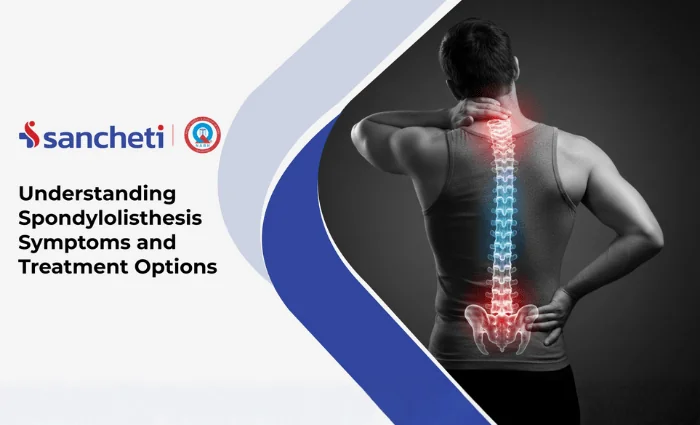
Back pain can stem from many conditions, but one of the more complex and often misunderstood issues is spondylolisthesis. This condition occurs when one vertebra slips forward over the one below it, leading to instability in the spine. While it can develop gradually, it may also result from injury or stress fractures, especially in active individuals.
Spondylolisthesis can affect people of all ages, from young athletes to older adults experiencing degenerative changes in the spine. The severity of symptoms varies widely, making early diagnosis and proper treatment essential for long-term spinal health.
What Causes Spondylolisthesis?
There are several types of spondylolisthesis, each with different causes:
- Degenerative spondylolisthesis: Common in older adults due to wear and tear on spinal joints and discs.
- Isthmic spondylolisthesis: Often caused by a stress fracture in a part of the vertebra.
- Congenital spondylolisthesis: Present at birth due to abnormal bone formation.
- Traumatic spondylolisthesis: Resulting from injury or sudden impact.
Understanding the root cause is crucial, as it directly influences the treatment plan.
Common Symptoms to Watch For
Not all cases cause noticeable symptoms, especially in the early stages. However, as the condition progresses, patients may experience:
- Persistent lower back pain
- Tightness or stiffness in the hamstrings
- Pain that worsens with standing or walking
- Numbness or tingling in the legs
- Weakness in the lower extremities
In severe cases, nerve compression can lead to significant mobility issues, making daily activities challenging.
When to Seek Medical Help
Many people try to manage back pain on their own, but ongoing discomfort should never be ignored. If your symptoms persist for weeks or worsen over time, it’s important to consult a specialist.
Early intervention can prevent the condition from progressing and reduce the likelihood of needing surgical treatment. A spine specialist will typically use imaging tests such as X-rays, MRIs, or CT scans to confirm the diagnosis and determine the severity.
Non-Surgical Treatment Options
In many cases, spondylolisthesis can be managed without surgery. Conservative treatments are usually the first step and may include:
- Physical therapy: Strengthens core muscles and improves spinal stability
- Medications: Helps reduce inflammation and manage pain
- Activity modification: Avoiding movements that worsen symptoms
- Bracing: Provides additional support to the spine
These approaches are often effective for mild to moderate cases, especially when followed consistently.
When Surgery Becomes Necessary
If non-surgical treatments fail to provide relief or if the condition is severe, surgery may be recommended. The primary goal of surgery is to stabilize the spine and relieve pressure on the nerves.
Common procedures include spinal fusion and decompression surgery. Advances in medical technology have made these procedures safer and more effective, with faster recovery times than in the past.
Choosing the right surgeon is critical at this stage. Experience, specialization, and a patient-focused approach can significantly impact the outcome of the procedure.
For those seeking expert care, Kelly Bridges Neurosurgery offers specialized treatment options tailored to patients dealing with spondylolisthesis and other complex spinal conditions.
The Importance of Personalized Care
Every patient’s condition is unique, which is why personalized treatment plans are essential. A skilled spine surgeon will evaluate your medical history, lifestyle, and the severity of your condition before recommending a course of action.
This individualized approach not only improves treatment outcomes but also ensures that patients feel confident and informed throughout their journey.
Recovery and Long-Term Management
Recovery from spondylolisthesis—whether treated surgically or non-surgically—requires commitment and consistency. Physical therapy plays a crucial role in rebuilding strength and improving flexibility.
Patients are often advised to:
- Maintain a healthy weight to reduce strain on the spine
- Practice proper posture during daily activities
- Stay active with low-impact exercises like walking or swimming
- Avoid heavy lifting or sudden movements
Long-term management is key to preventing recurrence and maintaining spinal health.
Final Thoughts
Spondylolisthesis may sound intimidating, but with the right diagnosis and treatment plan, it is manageable. The key lies in early detection, informed decision-making, and choosing a qualified specialist who understands your needs.
If you’re experiencing persistent back pain or symptoms related to spinal instability, don’t delay seeking professional help. Taking action early can make a significant difference in your recovery and overall quality of life.
