
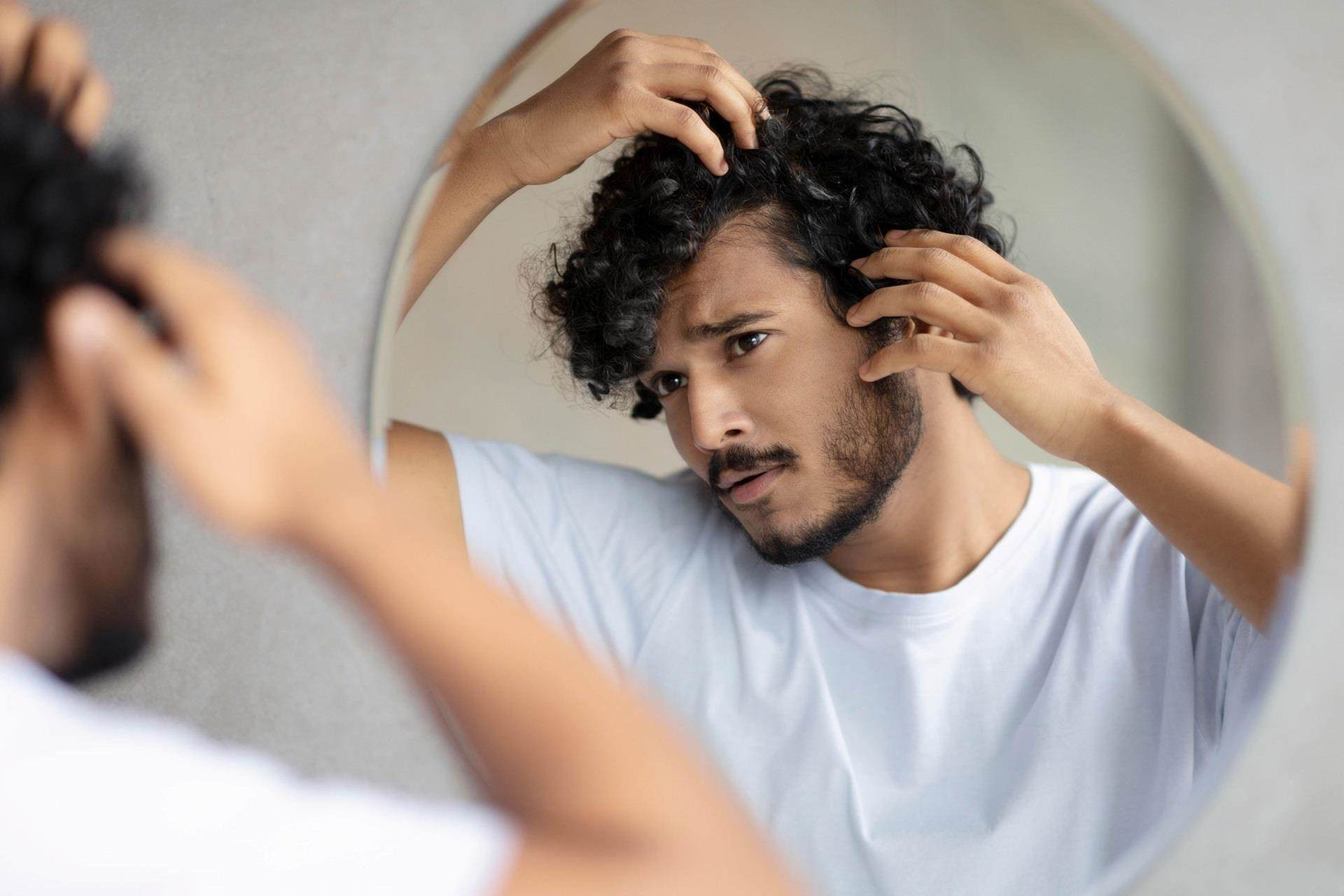
One thing that is quite obvious about modern beauty routines is their selectiveness. People don’t assemble massive collections of products around complex procedures anymore; rather, routines are narrowing down to smaller sets that require less frequent applications and involve a more thoughtful approach. It affected people’s perspective on hair as well.
For quite some time, hair conversations in beauty culture were mainly oriented towards appearance-related aspects like shine, styling, volume, and color. Only specific hair products dedicated to irritation and dandruff ever received considerable coverage. Now, the situation is somewhat different.
Firstly, modern beauty culture tends to be more ingredient-aware which made consumers interested in what lies beneath a particular product. Gradually, haircare started following the skincare trend established years ago; thus, maintenance and consistency started to take precedence over radical transformations.
These changes, in combination with the rise of minimalist beauty routines, helped make scalp serums, exfoliants, scalp brushes, and other scalp care products gain recognition among high-end and mass-market beauty brands.
They were included in larger beauty lineups next to regular shampoos and conditioners and didn’t seem niche anymore.
Social media culture had an influence too

With the popularity of shorter beauty content, people started shifting their focus from dramatic salon results to everyday routine habits. As a result, beauty culture is becoming increasingly routine-based. And scalp care is a perfect fit for such an atmosphere since the scalp can become an integral element of one’s routine. Moreover, minimalism trends in beauty influenced people’s approaches to building routine itself.
The audience seemed less interested in intense hair styling and maintenance practices that change hair’s condition regularly. Rather, softer aesthetics, low-maintenance routines, and natural-looking finishes started becoming popular both in fashion and beauty culture. Modern discussions about contemporary hair culture reflect that tendency quite clearly.
Another difference between the old and the new hair beauty culture is in the way beauty brands showcase hair products.
Instead of vivid packaging colors and dramatic before-and-after shots, modern hair brands prefer muted colors, textures, and materials. Moreover, marketing campaigns started resembling skincare promotion. Many brands started avoiding before-and-after comparisons altogether and preferred to highlight the routine context instead.
That shift helped scalp-focused products blend in perfectly with regular beauty routines.
Also, celebrity beauty brands played a big role in that matter. Hair products stopped being perceived as a separate category from skincare, fragrance, and wellness products; thus, beauty routines came to be seen as coherent processes. This tendency made scalp care a natural element of beauty routine identity.
The rise of slow and consistent beauty routines online played an important part as well.
People became much more engaged in simple, calm-looking beauty practices. It affected not only skin care routines but hair products and hairstyles, as well. This tendency explains the increased interest in maintenance-based routines and products.
All these factors together might help better understand why scalp care products found their place within the beauty routine.
