
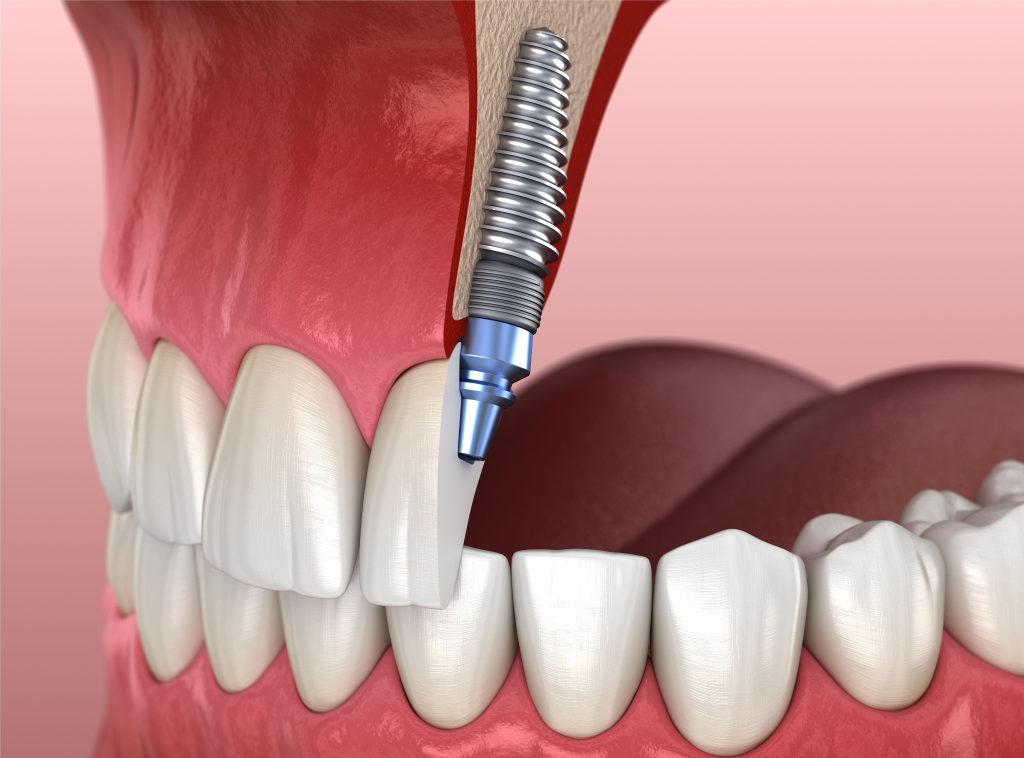
Dental implant surgery is a sure method of regaining your smile and oral health. It fills the gaps of missing teeth with robust, durable solutions. Although the process is not dangerous, recovery contributes to the end outcomes. Healing can be accelerated and pain alleviated by proper care.
If you are planning or have just finished implant-supported teeth restoration, it is imperative to know how to recover well. Habits that are simple and attentive can go a long way.
What to Expect After Surgery?
Dental implant surgery is accompanied by swelling, bruising, or pain, which is mild and normal. These effects normally improve in a couple of days. Your dentist can also put in stitches and allow the gums to heal.
Healing is time-consuming as the implant must be integrated with the jawbone. This is referred to as osseointegration. It may be a matter of weeks to months, depending on your health and care regimen.
Follow Your Dentist’s Instructions
The initial principle of recovery is easy. Always follow your dentist’s advice.
Your dentist will be aware of your case and will provide instructions. These can be about cleaning your mouth, eating, and your check-up schedules.
The nonobservance of these guidelines may delay healing. It can also cause the rise in the risk of infection or implant failure.
Treat Pain and Edema
Post-operative pain is normally manageable. Medication can be prescribed by your dentist or over-the-counter pain relievers may be recommended.
To alleviate swelling, use an ice pack on your face. Take 15 minutes at a time within the initial 24 hours. This assists in managing inflammation and pain.
Your head should be high when sleeping. This also helps in decreasing swelling and enhancing quicker healing.
Consume Soft and Healthy Foods
Diet is also vital to recovery. Following surgery, take soft and easy-to-chew foods.
Yogurt, soup, mashed potatoes, and smoothies are good choices. Limit crunchy, hard or sticky food. These may disrupt the operating field.
Healthy food facilitates repairing of tissues. It also provides your body with energy to heal. This is particularly crucial when you have already received implant-supported teeth restoration because eating properly will allow the implant to settle.
Maintain Oral Hygiene
You must keep your mouth clean, but you should be soft.
On the first day, do not brush the surgical site. Then brush your teeth with a soft toothbrush. Avoid touching the implant area too much.
Saltwater rinse might be prescribed by your dentist. This assists in eliminating bacteria and maintaining it clean. Proper hygiene reduces the chances of infection and accelerates healing.
Avoid Smoking and Alcohol
Smoking may slow down the healing and complicate the problem. It slows down blood circulation, which is required to recover.
Alcohol also may disrupt healing. It can interact with drugs and irritate.
Not to be used at the same time, during the period of recovery. This is particularly significant following implant-supported teeth restoration, where optimal healing is a key to success in the long run.
Get Enough Rest
When you rest, your body recovers quicker. During the postoperative period avoid heavy activities for a few days.
Do not have excessive exercise or move heavy things. Such activities may augment bleeding and swelling.
Sleep is also important. Aim to get sufficient sleep at night to help your immune system and healing.
Stay Hydrated
Consuming sufficient water will aid in healing your body. It maintains the health of your tissues and helps you heal in general.
It is advisable to avoid using straws in the initial days. The suction has the ability to disrupt the surgical site and delay healing.
Use only plain water and do not use sweet or carbonated beverages. These may scratch your tongue.
Be Wary of Red Flags
A certain level of discomfort is natural, but some symptoms might require treatment.
Call your dentist in case of intense pain, excessive bleeding or swelling that fails to subside. Infection can also be manifested by fever, or bad taste in the mouth.
Several issues can be avoided with early intervention. It saves your dental investment, too.
Allow Time to Work
Dental implant surgery requires time to heal. You might not see the fruits at once, but the process is going on under the ground.
It is not advisable to hurry into normal eating or habits. Rest your body.
It is important to be patient, in particular, during the healing of the teeth that were restored with implants. The cautious manner guarantees excellent and sustainable outcomes.
Attend Follow-Up Appointments
Your recovery includes regular check-ups. Your dentist will check on healing and stabilize the implant.
Such visits assist in uncovering any problems in their early stages. They also provide you with an opportunity to ask questions and receive advice.
Never miss such appointments. They put a premium on long-term success.
Protect the Implant Area
Be conscious of your mouth. Do not chew on the side of the implant until you are advised by your dentist.
In case you grind your teeth at night, a dentist might recommend wearing a mouthguard. This safeguards the implant and other teeth.
Damage can be prevented and healing aided by simple precautions.
Adopt a Healthy Lifestyle
Your overall health level is what determines recovery. Your body benefits during recovery when you maintain proper nutrition and exercise alongside minimizing stress.
People who struggle with diabetes have to take care of their condition as these diseases can retard healing processes. The healing process improves when your body stays healthy.
Conclusion
Dental implants allow the restoration of missing teeth, while surgical treatment requires proper recovery time to succeed. Proper post-operative care increases both short-term and long-term healing processes. Your recovery process depends entirely on professional post-operative care.
Every step establishes the foundation for either pain management or healthy care standards. Your recovery process will improve massively when you take small steps.
This advice assists your healing process while supporting your smile’s preservation. Your dental implants will achieve long-term strength and stability when you follow a gentle recovery process.
