
In the dental clinic, we often find ourselves caught between two worlds: the biological reality of the patient’s anatomy and the technical requirements of the final restoration. Making the right clinical decision isn’t just about choosing a surgical technique; it’s about balancing long-term tissue health, biomechanical stability, and the practicalities of day-to-day practice. As practitioners, our goal is to move from the initial assessment to the final prosthetic seating with as little friction as possible.
The Art of the Initial Assessment
The decision-making process begins long before the drill touches the bone. It starts with a comprehensive evaluation of the patient’s risk factors. We all know that a patient with high bone density and excellent oral hygiene requires a different approach than a patient with systemic health issues or limited bone volume.
The real skill lies in identifying which cases fall within your “comfort zone” and which ones require more advanced planning-like guided surgery or specific graft materials. When you decide to move forward with a treatment plan, the choices you make during this phase ripple through the entire procedure. Choosing a system that is flexible and well-documented allows you to be more confident in these early stages. It is about understanding the limitations of the anatomy and selecting components that will support the biological seal from day one.
Bridging the Gap Between Planning and Execution
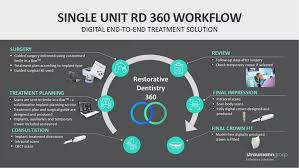
One of the most significant shifts in modern practice is the integration of digital tools. Many of us use CBCT scans and planning software to visualize the final outcome before we even begin. However, digital planning is only as good as the execution. If your surgical tools or the physical components don’t match the virtual plan, you are setting yourself up for unnecessary friction.
This is why experienced clinicians emphasize the importance of using a unified prosthetic ecosystem. When your surgical kit, your implants, and your restorative parts are designed to work together, you remove the guesswork. You aren’t just placing an implant; you are initiating a protocol that connects the surgery to the lab communication, and finally, to the seating of the restoration. When the components are engineered for precision, the chair time decreases, and the predictability of the result increases significantly.
Logistics as a Clinical Tool
It might sound purely administrative, but supply chain management is a hidden pillar of clinical decision-making. How often have we seen a procedure delayed or a workflow interrupted because a specific abutment wasn’t in stock or a drill set was incomplete?
Efficiency in the clinic is built on reliability. When you need to buy dental implants or specialized restorative components, you need a system that supports your pace. By moving toward a more direct and transparent procurement process, you take control of your clinic’s inventory. You stop relying on external sales schedules and start managing your needs based on your specific patient load. This isn’t just about saving time; it’s about ensuring that when you step into the operating room, you have everything you need to execute your plan perfectly. Relying on an accessible and consistent supplier allows you to focus your mental energy where it counts—on the patient.
Quality as the Final Arbiter
At the end of the day, clinical decision-making always boils down to one question: Would I trust this system in my own mouth? When evaluating implant systems, look beyond the marketing. Look at the data, the long-term success rates, and the quality of the manufacturing. The interface between the implant and the abutment is the most vulnerable point for bacterial infiltration. Choosing a system that prioritizes precision engineering isn’t just a technical preference-it’s a clinical necessity. It protects your patient from peri-implantitis and protects your work from unnecessary failures. Quality components are the ultimate insurance policy for your practice.
The Bottom Line
Mastering clinical decision-making in implantology is a journey of continuous improvement. It involves refining your surgical skills, embracing digital technology, and-perhaps most importantly-building a foundation of reliable systems and materials. By simplifying your workflow and choosing partners that prioritize quality and efficiency, you allow yourself to focus on the one thing that truly defines your practice: providing excellent care that stands the test of time.
Summary: Key Takeaways for the Modern Practice
- Comprehensive Planning: Always begin with a thorough evaluation of patient-specific risk factors before choosing a surgical protocol.
- Prosthetic Ecosystem: Rely on integrated systems where the surgical kit and restorative components are designed to work together seamlessly.
- Inventory Control: Streamline your procurement by moving to direct-to-clinic digital channels, ensuring you always have the necessary components on hand.
- Quality First: Prioritize implant-abutment interface precision to prevent bacterial infiltration and ensure long-term stability.
- Focus on Efficiency: A well-managed workflow allows you to spend more time on patient diagnostics and less on the logistical challenges of daily operations.
Conclusion
The evolution of dental implantology demands more than just surgical proficiency; it requires a holistic approach to practice management. By refining your clinical decision-making processes, investing in high-quality, compatible components, and embracing digital procurement, you create a sustainable model for excellence. Ultimately, the integration of these practices not only optimizes your daily workflow but also ensures that every patient receives a predictable, high-quality, and long-lasting restorative outcome. Your commitment to these principles is what differentiates a standard practice from a leader in the field of implant dentistry.
