
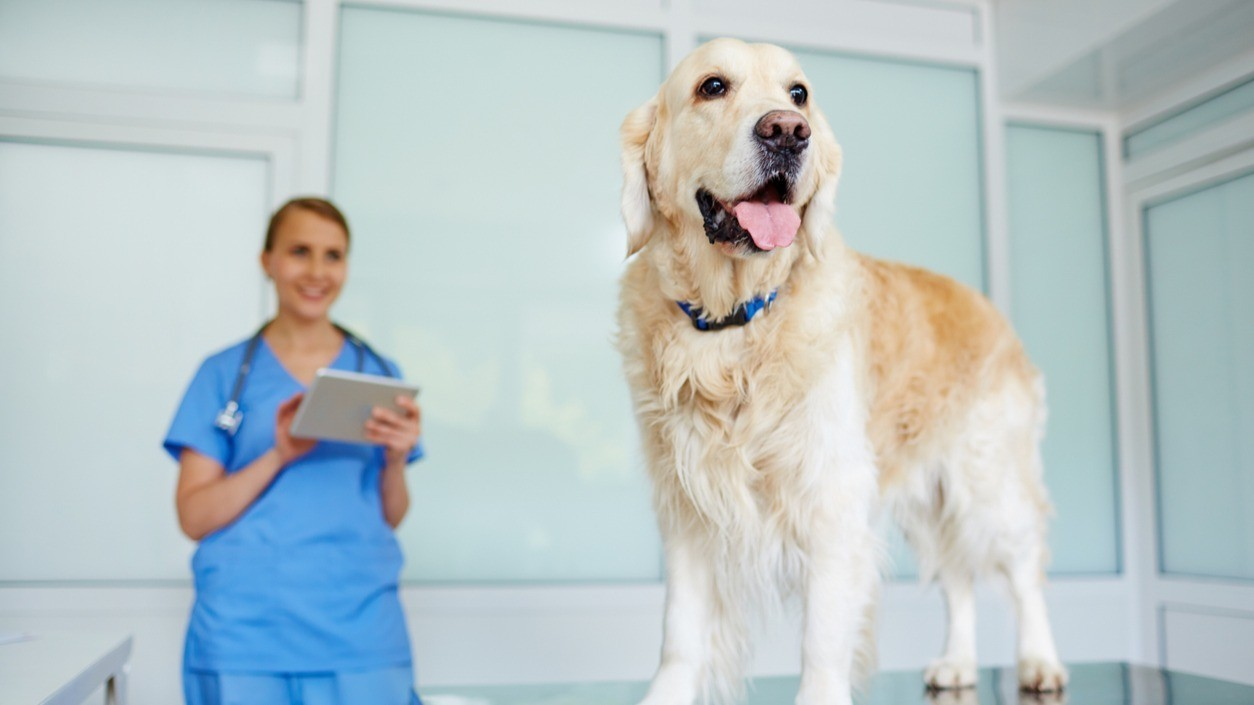
Few things rattle a pet owner quite like an unexpected vet bill. One minute your dog is chasing a ball in the yard like a champion, the next minute you are staring at a number on a clinic invoice that makes your eyebrows disappear into your hairline. It happens fast, and it rarely arrives at a convenient time.
For Australian households, pet care is not just about food, flea treatments, and the occasional new squeaky toy from the local shop. Vet costs can climb quickly, especially when an accident or illness lands out of nowhere. A simple consult can snowball into X-rays, medication, follow-up visits, and maybe a late-night dash to an emergency clinic if things get messy. That is the sort of surprise nobody wants, yet plenty of pet owners know it all too well.
The good news? A bit of planning goes a long way. Not in a rigid, boring way either. More like setting up a safety net so that when life does its usual little stunt, you are not scrambling around trying to work out which bill can wait and which one absolutely cannot.
Why pet expenses catch people off guard
Most people budget for the obvious bits. Food, grooming, worming tablets, maybe a new lead every now and then when the old one has been dragged through mud, sand, and whatever mysterious patch of the backyard your pet has claimed as their kingdom.
What gets forgotten is the randomness. Pets are gloriously unpredictable. Cats leap from shelves with the confidence of tiny stunt performers. Dogs eat things they absolutely should not, from socks to sticks to who-knows-what at the park. Even the calm ones can wake up limping for no obvious reason. And if you live in Australia, there is the extra wrinkle of local realities such as snakes, ticks, heat stress, and all the other joys our climate likes to throw into the mix.
Those surprises are why a basic pet budget can fall apart in a hurry.
Build a pet emergency fund
The old-fashioned answer still works: set money aside. A separate pet emergency fund gives you breathing room when a bill arrives suddenly. It does not need to be enormous on day one. Even small weekly transfers help. Think of it as a slow build rather than a grand sprint.
A practical approach is to open a separate savings account just for pet costs. Keep it out of sight and out of easy reach, because if it lives in the same account as your everyday spending, it has a habit of disappearing into groceries, petrol, or that one online order you absolutely meant to resist.
Some owners aim for a few hundred dollars. Others like to work towards a larger cushion that covers a surgery, specialist visit, or a series of tests. The right amount depends on your pet, their age, and any known health issues. A young kelpie with endless energy and a taste for trouble may need a different buffer from a sleepy older cat who mostly wants a windowsill and peace.
Get familiar with likely costs before trouble starts
Lots of people only find out vet prices when they are already in the waiting room, worried and half distracted. That is not ideal. It helps to learn the general cost of common services in your area before an emergency ever shows up.
Useful costs to check
- Standard vet consultations
- Vaccinations and parasite prevention
- Desexing procedures
- Dental cleaning
- Imaging such as X-rays or ultrasounds
- Emergency after-hours visits
- Medication and follow-up care
Veterinary clinics across Australia do not all charge the same rates. A city clinic may have different pricing from a regional practice, and emergency centres often come with higher fees because, well, they are open when the rest of the world is asleep and panicking about nothing in particular. If you know the likely range, the shock is a little less brutal.
Look at cover options before you need them
This is where many owners start to think seriously about pet insurance. It is one of those things people mean to sort out later, right up until later turns into a five-figure surgery quote and a very tense phone call. Having cover in place earlier can make a real difference when the unexpected happens.
Not every policy looks the same, which is where a careful read pays off. Some cover accidents and illness, while others are broader or come with extra features. Check waiting periods, exclusions, limits, excesses, and whether routine care is included or not. Tiny details can matter more than the shiny headline price.
It is also worth checking how claims work in Australia. Some providers let you submit everything online, which is handy when life is already a bit chaotic. Nobody wants to be chasing paperwork while holding a cone-headed pet and trying to stop them from licking their stitches.
Balance cover with everyday habits
Insurance or savings alone is good. Both together is better. A lot of households find a mixed approach feels safest. Set aside regular savings for smaller, predictable costs and keep cover for the bigger, less predictable hits.
Then there is the daily stuff that quietly saves money over time:
Simple habits that help
- Keep up with parasite prevention
- Book regular health checks
- Brush teeth or arrange dental care where needed
- Store food and chemicals safely
- Use the right harness, fence, or carrier for your pet
- Watch for small changes in appetite, energy, or behaviour
A small issue caught early is usually cheaper than a big one found late. That sounds obvious, but in real life it is easy to shrug off a slightly off-colour pet and hope they bounce back by morning. Sometimes they do. Sometimes they really, really do not.
Make a mini plan for emergencies
When a pet emergency hits, people often waste time making decisions under pressure. A simple plan, written down in advance, takes some of that pressure off.
What to keep ready
- Your regular vet’s contact details
- The nearest after-hours clinic
- Your pet’s microchip information
- Medication details and medical history
- A rough savings target or policy details
- Payment methods you can access quickly
You might even keep these details in your phone and a paper copy at home. Sounds old-school, sure, but phones die at the worst times. That is just their little personality flaw.
Think about your pet’s age and risk level
A puppy tearing around the house is one kind of risk. An older pet with ongoing health needs is another. Some breeds are also more likely to need certain treatments, which can affect long-term planning. Australian owners of brachycephalic breeds, for instance, may already know vet visits can be a bit more frequent for breathing or heat-related concerns.
The point is not to worry yourself silly. It is to be realistic. A pet that is young, energetic, and permanently one bad decision away from trouble may need stronger financial backup than a quieter companion who mostly naps and judges you from a chair.
Keep the budget flexible
Pet costs change over time. A calm year can be followed by a pricey one. One job loss, one rate rise, one unexpected surgery, and the family budget suddenly feels tight. That is why flexibility matters.
Review your pet budget every few months. Check whether the savings amount still makes sense. See if your policy still suits your pet’s age and health. Little adjustments now are easier than a scramble later.
And if money is especially tight, speak openly with your vet clinic. Many Australian clinics are used to owners trying to balance care with real-world budgets. They may suggest phased treatment options or talk through priorities, which can help you make a sensible call without feeling completely cornered.
A calmer way to handle the unexpected
No one gets a pet expecting spreadsheets and backup plans to become part of the bond. We all want the cuddles, the muddy paws, the ridiculous zoomies, the purring on the couch, the tail wags at the door. That part is easy.
The trickier side is making room for the messy surprises. A savings buffer, a bit of research, and the right cover can stop a nasty bill from turning into a full-blown household drama. It is not about being pessimistic. It is just sensible, a bit like carrying a jumper in a Melbourne spring or checking the boots before heading out in a Queensland downpour.
Plan now, and if the vet phone call ever comes with bad news, you will have more than crossed fingers to rely on.
