
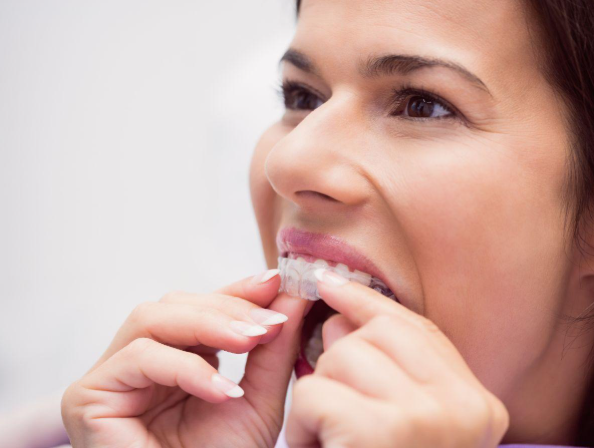
Many people grind or clench their teeth during sleep without realizing it. Because this habit happens unconsciously, it can continue for months or even years before symptoms become noticeable. Common signs include jaw pain, headaches, tooth sensitivity, and facial discomfort after waking up.
A dental night guard is a protective appliance worn while sleeping to reduce the pressure caused by grinding and clenching. It creates a barrier between the teeth, helping to limit wear and reduce strain on the jaw. Recognizing the signs early may help identify potential concerns and support timely professional assessment.
What Is a Dental Night Guard?
How It Works
A dental night guard is a removable appliance that fits over the teeth and is worn during sleep. Its main purpose is to reduce direct contact between the upper and lower teeth. When a person grinds or clenches, the guard absorbs some of the pressure that would otherwise be placed on the teeth and jaw.
By acting as a protective layer, a night guard may help reduce direct contact between the teeth during sleep. Some people may notice improved comfort on waking after using a properly fitted appliance, though results vary from person to person.
Types of Night Guards
Dental night guards are available in both over-the-counter and custom-made options. Store-bought guards can be fitted at home and may suit some people, but Custom-made appliances are individually fabricated from impressions of the patient’s own teeth, allowing the appliance to be individually fitted to the patient’s teeth.
A dental professional can recommend the most suitable option based on individual needs. Those exploring dental night guard Lower Hutt services can learn more about professional assessments and custom-fitted appliances.
Signs You May Need a Dental Night Guard
Frequent Jaw Pain
One of the most common signs of nighttime grinding is jaw pain. During sleep, the jaw muscles may work harder than normal due to repeated clenching and grinding. This extra strain can leave the jaw feeling sore or stiff in the morning.
Some people also notice difficulty opening their mouth fully after waking up. If jaw pain occurs regularly, it may be worth discussing the issue with a dental professional.
Worn or Chipped Teeth
Teeth grinding places repeated pressure on the enamel, which is the protective outer layer of the teeth. Over time, this pressure can wear the enamel down. Teeth may begin to appear flatter, shorter, or more uneven than before.
In some cases, grinding can contribute to chips or small cracks. Because tooth damage can progress over time, professional assessment may be beneficial when symptoms are present.
Morning Headaches
Many people who grind their teeth experience headaches when they wake up. The pressure created by clenching can affect the muscles around the jaw, temples, and face. This muscle tension may lead to headaches that occur regularly in the morning.
Although headaches can have many different causes, recurring morning headaches may be one of several signs that indicate teeth grinding.
Tooth Sensitivity
When enamel wears away, the inner parts of the teeth may become more exposed. As a result, people may notice increased sensitivity when consuming hot drinks, cold foods, or sweet snacks.
Sensitivity alone does not confirm grinding, but it can be a symptom that clinicians consider when evaluating a patient’s oral health.
Sleep Disturbances
Grinding and clenching can sometimes affect sleep quality. Some individuals wake up during the night without understanding why, while others learn about the habit from a partner who hears grinding noises.
If grinding is contributing to disrupted sleep, a clinical assessment may help determine whether an appliance is appropriate.
Understanding Teeth Grinding and Clenching
What Is Bruxism?
Bruxism is the term used to describe grinding or clenching of the teeth. It can happen while a person is awake or asleep. Sleep bruxism is often more difficult to identify because the individual is usually unaware that it is happening.
Occasional grinding may not lead to serious problems. However, frequent or long-term grinding can contribute to tooth wear, jaw discomfort, headaches, and other oral health concerns.
Common Causes
Bruxism can have several possible causes. Stress and anxiety are often linked to increased muscle tension, including clenching of the jaw. Some people notice that grinding becomes more noticeable during stressful periods of life.
Sleep-related conditions may also play a role in certain cases. Other contributing factors can include some medications, lifestyle habits, and bite-related issues. Because every person is different, identifying the cause often requires a professional assessment.
Benefits of Wearing a Dental Night Guard
Protects Teeth
The main purpose of a night guard is to help protect teeth from the effects of grinding and clenching. By creating a barrier between the upper and lower teeth, the appliance reduces direct contact during sleep.
This protection may help reduce direct tooth-to-tooth contact during grinding and clenching.
Reduces Jaw Strain
Grinding places pressure on the jaw muscles and joints. A night guard can help distribute these forces more evenly, reducing the amount of strain placed on certain areas.
Some patients may notice reduced jaw discomfort after consistently wearing a professionally fitted night guard, though results vary depending on the individual’s grinding patterns and consistency of wear.
Improves Sleep Comfort
People who wake up with facial tension or jaw soreness may find sleeping more comfortable when using a night guard. Reducing pressure on the teeth and jaw can make mornings feel more comfortable for some individuals.
The level of improvement varies from person to person, and your clinician can explain what may be expected in each case.
May Help Reduce the Risk of Further Dental Repairs
Protecting teeth from ongoing wear may reduce the likelihood of future damage that requires treatment. Dental procedures such as fillings, crowns, and repairs are sometimes needed when grinding causes significant wear.
For this reason, your dental technician may recommend a night guard as part of a preventive approach to oral health management.
Who Is Most Likely to Need One?
Adults With Stress
Stress is one of the factors most commonly associated with teeth grinding. People experiencing ongoing pressure at work, school, or in their personal lives may be more likely to clench their teeth during sleep.
While stress does not always cause bruxism, it is often considered during the assessment process.
People With Bite Problems
In some situations, an uneven bite may place additional pressure on certain teeth and jaw muscles. This does not automatically mean that grinding will occur, but it may contribute to symptoms in some individuals.
A dental examination can help identify whether bite-related factors are present.
Those With a History of Tooth Damage
People who have previously experienced cracked, chipped, or heavily worn teeth may benefit from additional protection while sleeping. Preventing further wear is often an important part of maintaining long-term oral health.
Information about dental night guard Lower Hutt options may help patients understand how custom-made appliances are assessed and provided by dental professionals.
How Your Clinician Determines If You Need a Night Guard
Dental Examination
A clinical assessment is usually the first step in determining whether a night guard may be recommended. Your clinician will look for signs such as enamel wear, small fractures, flattened tooth surfaces, and tenderness in the jaw muscles.
These findings can provide valuable information about whether grinding or clenching may be occurring.
Reviewing Symptoms
In addition to examining the teeth, your clinician will typically discuss symptoms and daily habits. Questions may focus on jaw pain, headaches, tooth sensitivity, sleep quality, and any reports of grinding sounds during sleep.
Combining clinical findings with patient-reported symptoms helps support informed treatment decisions.
Caring for Your Dental Night Guard
Daily Cleaning
A night guard should be cleaned regularly according to the instructions provided by the dental professional. Cleaning helps remove bacteria, saliva residue, and debris that may collect on the appliance.
Good cleaning habits also help keep the appliance comfortable to wear.
Proper Storage
When not being used, the night guard should be stored in a protective case. Proper storage helps keep the appliance clean and reduces the risk of accidental damage.
Keeping the appliance away from excessive heat is also important because heat may affect its shape.
Regular Dental Checkups
Routine visits allow your clinician to monitor the condition of the night guard and evaluate whether it still fits correctly. Over time, normal wear may mean adjustments or replacement are required.
Regular checkups also provide an opportunity to discuss any changes in symptoms and review ongoing oral health needs.
Conclusion
A dental night guard may help protect teeth from the effects of grinding and clenching during sleep. Common signs that suggest you may need professional advice include jaw pain, worn teeth, morning headaches, tooth sensitivity, and disrupted sleep. Identifying these symptoms early can help reduce the risk of further tooth wear.
If you suspect nighttime grinding is affecting your oral health, speak with your clinician. An assessment can help determine whether a night guard may be a suitable option for your needs.
