
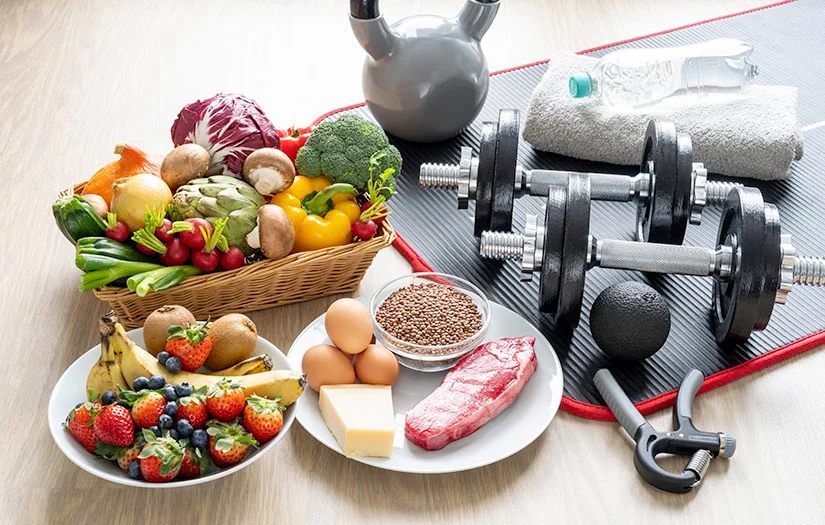
In the high-stakes world of competitive sports, the difference between a gold medal and a fourth-place finish often comes down to what an athlete puts on their plate. Training hard is only half the battle; the physiological demands of elite performance require a precise, science-backed approach to fueling. This is why more coaches and fitness professionals are moving beyond general advice and seeking formal credentials to provide safe, effective guidance.
Why Specialized Training Changes the Game for Athletes
Generic diet tips might work for the average gym-goer, but athletes have unique metabolic needs that change based on their sport, training cycle, and recovery requirements. Specialized training in sports nutrition allows you to move past trendy fads and dive into the mechanics of how macronutrients and micronutrients affect human performance. Understanding the nuance of nutrient timing and hydration protocols is essential for anyone looking to work with serious competitors.
Choosing a path that offers a deep dive into medical nutrition therapy and food safety ensures you are not just suggesting meals, but managing the long-term health of your clients. For many aspiring professionals, the journey begins by finding a flexible nutrition degree online that allows them to balance their current coaching schedule with the rigors of academic study. This foundational education provides the scientific literacy needed to interpret complex data and create personalized plans that actually deliver results.
Navigating the Path to Professional Certification
The landscape of nutrition credentials is shifting, and staying ahead of industry standards is vital for career longevity. Currently, those aiming for the Registered Dietitian (RD) or Registered Dietitian Nutritionist (RDN) designation should be aware that the Commission on Dietetic Registration now requires a minimum of a master’s degree for exam eligibility. Therefore, choosing an undergraduate program that specifically prepares you for a coordinated master’s program is a strategic move.
A comprehensive bachelor’s program, like the one offered at Arkansas State University, typically involves 120 credit hours and covers everything from infant nutrition to complex meal planning. At a cost of roughly $302 per credit hour, it represents an accessible entry point for those serious about the field. Students should look for programs that offer:
- Preparation for national certifications like ServSafe.
- A curriculum that aligns with the requirements of higher-level graduate studies.
- Instruction in both clinical and community health settings.
- Practical training in nutrition counseling and food preparation.
Key Skills You’ll Gain from a Targeted Curriculum
When you pursue a specialized degree, you aren’t just learning what people should eat; you are learning how to change behavior and improve biological outcomes. A robust program explores medical nutrition therapy, which is crucial when working with athletes who may be managing injuries or specific health conditions. You also gain expertise in food safety and meal planning, ensuring that the performance diets you design are both practical and sustainable.
Furthermore, understanding the nutritional needs of different life stages is a major asset. A sports nutritionist often works with youth athletes, making courses in infant and child nutrition highly relevant. Learning how to communicate these complex concepts through nutrition counseling helps bridge the gap between scientific theory and an athlete’s daily routine. This level of expertise builds trust and authority, separating a certified professional from a social media influencer.
From Theory to the Field: Building a Long-Term Career
Graduating with a degree in nutrition and dietetics opens doors far beyond the sidelines of a football field. While many dream of working with professional sports teams, the skills gained are equally applicable to roles as health education specialists, community health workers, or dietetic technicians. These roles allow you to impact public health on a larger scale, using your knowledge of sports nutrition to promote active lifestyles in diverse populations.
If you are looking to transfer into a program, many universities offer streamlined admission processes, often requiring a minimum 2.0 GPA for transfer credits. This accessibility allows current professionals to pivot their careers without starting from scratch. Ultimately, the investment in a formal education pays off by providing a credential that is recognized by employers and healthcare providers alike, ensuring your advice carries the weight of evidence-based practice.
