
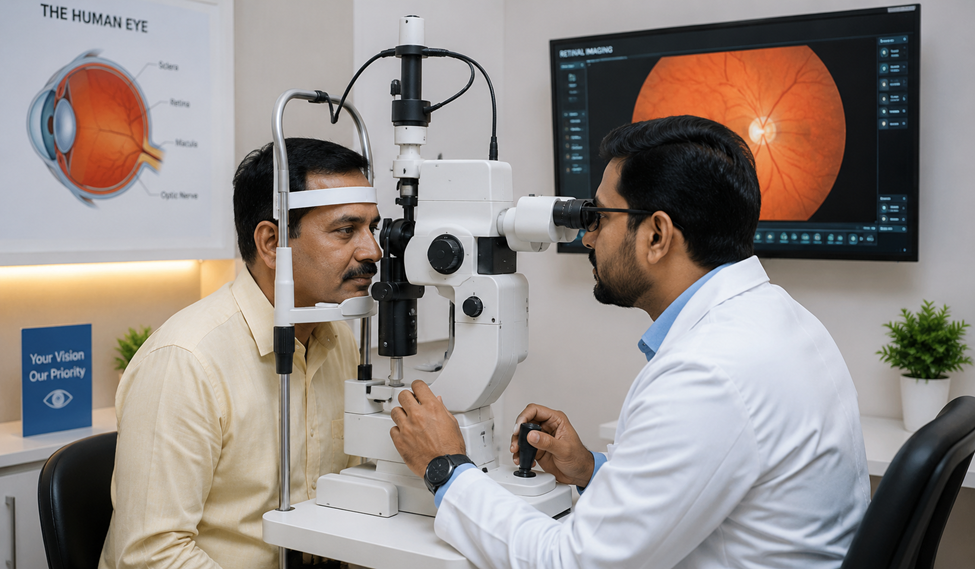
Most people know that diabetes can affect the heart, kidneys, and nerves. What often gets overlooked is the damage it can cause to the eyes, particularly the retina. And that’s where things can become serious.
The retina is a thin layer of tissue at the back of the eye that captures light and sends visual signals to the brain. Think of it as the camera sensor of your eye. If that sensor gets damaged, the picture becomes distorted, blurry or in severe cases, disappears altogether.
The worrying part? Many diabetes-related eye problems develop silently. A person may feel perfectly fine and still have significant retinal damage progressing in the background.
That’s why regular retina check-ups are not just another medical appointment. They’re one of the most important steps in protecting vision for people living with diabetes.
The Growing Link Between Diabetes and Vision Loss
Diabetes has become one of the fastest-growing health concerns worldwide. According to the International Diabetes Federation, more than 537 million adults are living with diabetes globally, and that number continues to rise. India alone has over 100 million people with diabetes, making it one of the countries most affected by the condition.
Research suggests that nearly one in three people with diabetes develops some degree of diabetic retinopathy during their lifetime. While not every case leads to blindness, diabetic retinopathy remains one of the leading causes of vision impairment among working-age adults.
But the good news? Most diabetes-related vision loss can be prevented when problems are detected early.
So, What Exactly Happens to the Retina?
High blood sugar levels can damage the tiny blood vessels that nourish the retina. Over time, these vessels may weaken, leak fluid, swell, or become blocked altogether.
At first, the changes are subtle. A patient may notice nothing unusual. Vision can remain clear for months or even years while damage slowly accumulates. Symptoms begin to appear:
- Blurred vision
- Dark spots or floaters
- Difficulty seeing at night
- Fluctuating vision
- Sudden loss of vision in severe cases
Here’s the tricky part: by the time noticeable symptoms appear, retinal damage may already be advanced. That’s why eye specialists often say that diabetic retinopathy is a silent threat.
The Problem With Waiting for Symptoms
Many people assume that if they can read, drive, or watch television comfortably, their eyes must be healthy.
Imagine a small leak developing behind a wall in your home. For weeks, everything may look perfectly normal. The paint appears fine. The wall feels solid. Then one day, a large patch of damage suddenly becomes visible.
Diabetic retinopathy works in a similar way. Retinal blood vessels can deteriorate quietly for years before vision changes become obvious. By then, treatment may become more complicated.
Regular retina examinations help identify these hidden changes before they threaten eyesight.
Why Regular Retina Check-Ups Matter More Than You Think
A retina check-up is not simply about confirming whether your vision is good or bad. It provides a detailed assessment of retinal health and helps detect microscopic changes long before symptoms appear.
Early detection offers several advantages.
Better Treatment Outcomes
When diabetic retinopathy is found in its early stages, treatment is generally more effective.
Doctors may recommend tighter blood sugar control, lifestyle modifications, medications, or monitoring schedules that help slow disease progression.
In many cases, early intervention can prevent serious complications altogether.
Reduced Risk of Vision Loss
Studies have shown that timely screening and treatment can reduce the risk of severe vision loss by more than 90%.
That’s a remarkable number when you think about it. A relatively short examination could help preserve vision for years to come.
Monitoring Changes Over Time
Diabetes is not a static condition. Blood sugar levels, blood pressure, cholesterol, and overall health can fluctuate.
Regular retina evaluations create a visual record of retinal health. This allows specialists to compare images over time and detect even subtle changes that might otherwise go unnoticed.
Who Needs More Frequent Retina Examinations?
Every person with diabetes should undergo regular eye examinations, but some individuals face higher risks. You may need closer monitoring if you:
- Have had diabetes for many years
- Struggle with uncontrolled blood sugar levels
- Have high blood pressure
- Have kidney disease
- Are pregnant and have diabetes
- Have already been diagnosed with diabetic retinopathy
For these patients, skipping follow-up appointments can be risky. The progression of retinal disease isn’t always predictable. Sometimes changes occur slowly. Other times, they accelerate surprisingly fast.
What Happens During a Retina Check-Up?
Many patients postpone eye examinations because they expect the process to be uncomfortable or complicated. Fortunately, it’s usually straightforward.
The doctor may use special eye drops to dilate the pupils, allowing a clearer view of the retina. Advanced imaging technologies such as Optical Coherence Tomography (OCT) and retinal photography may also be used.
These tools provide highly detailed images of retinal layers and blood vessels. Think of it like having a high-resolution map of your eye’s internal structures. The examination itself is generally painless and often completed within a short visit.
Treatment Has Come a Long Way
Here’s something encouraging. Years ago, advanced diabetic retinopathy often resulted in significant vision loss. Today, treatment options are far more effective than many people realise.
Depending on the condition, treatment may include:
- Blood sugar management
- Laser therapy
- Intravitreal injections
- Vitrectomy surgery
- Ongoing retinal monitoring
Patients diagnosed with diabetic retinopathy should seek timely evaluation at a specialized Retina Hospital where advanced diagnostic and treatment facilities are available.
The earlier treatment begins, the greater the chances of preserving useful vision.
Small Daily Habits Can Make a Big Difference
While regular retina examinations are essential, they work best when combined with healthy diabetes management.
Simple habits can significantly reduce the risk of retinal complications:
- Maintain recommended blood sugar levels
- Monitor blood pressure regularly
- Follow a balanced diet
- Stay physically active
- Avoid smoking
- Take prescribed medications consistently
These may sound like familiar recommendations, and honestly, they are. Yet their impact on retinal health is often underestimated.
Your eyes depend on the same healthy blood vessels that support the rest of your body.
When Should You See a Retina Specialist Immediately?
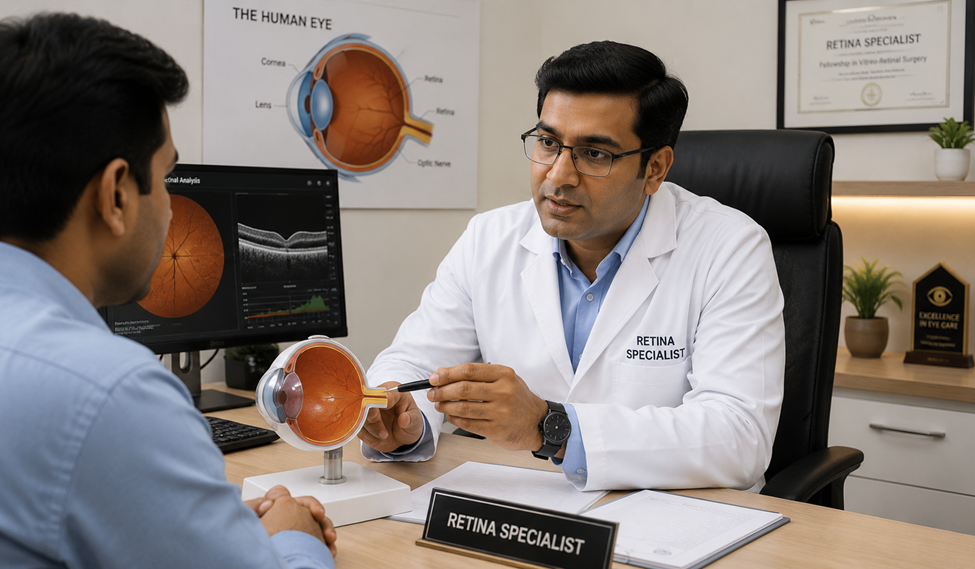
Some symptoms should never be ignored. Schedule an urgent evaluation if you experience:
- Sudden blurred vision
- New floaters
- Flashes of light
- Dark curtains or shadows in your field of vision
- Rapid vision changes
If any of these warning signs appear, consult an experienced Retina Eye Specialist for a comprehensive retinal examination.
Prompt assessment can often mean the difference between preserving vision and facing permanent damage.
Final Thoughts
Diabetes management isn’t only about blood sugar numbers. It’s also about protecting the organs and systems that those numbers affect, including your eyes.
The retina plays a crucial role in vision, yet retinal damage can develop quietly for years before symptoms appear. That’s what makes regular retina check-ups so important.
A simple examination today may prevent serious vision problems tomorrow. For people living with diabetes, routine retinal screening isn’t merely a recommendation. It’s an essential part of long-term eye health, independence, and quality of life.
