
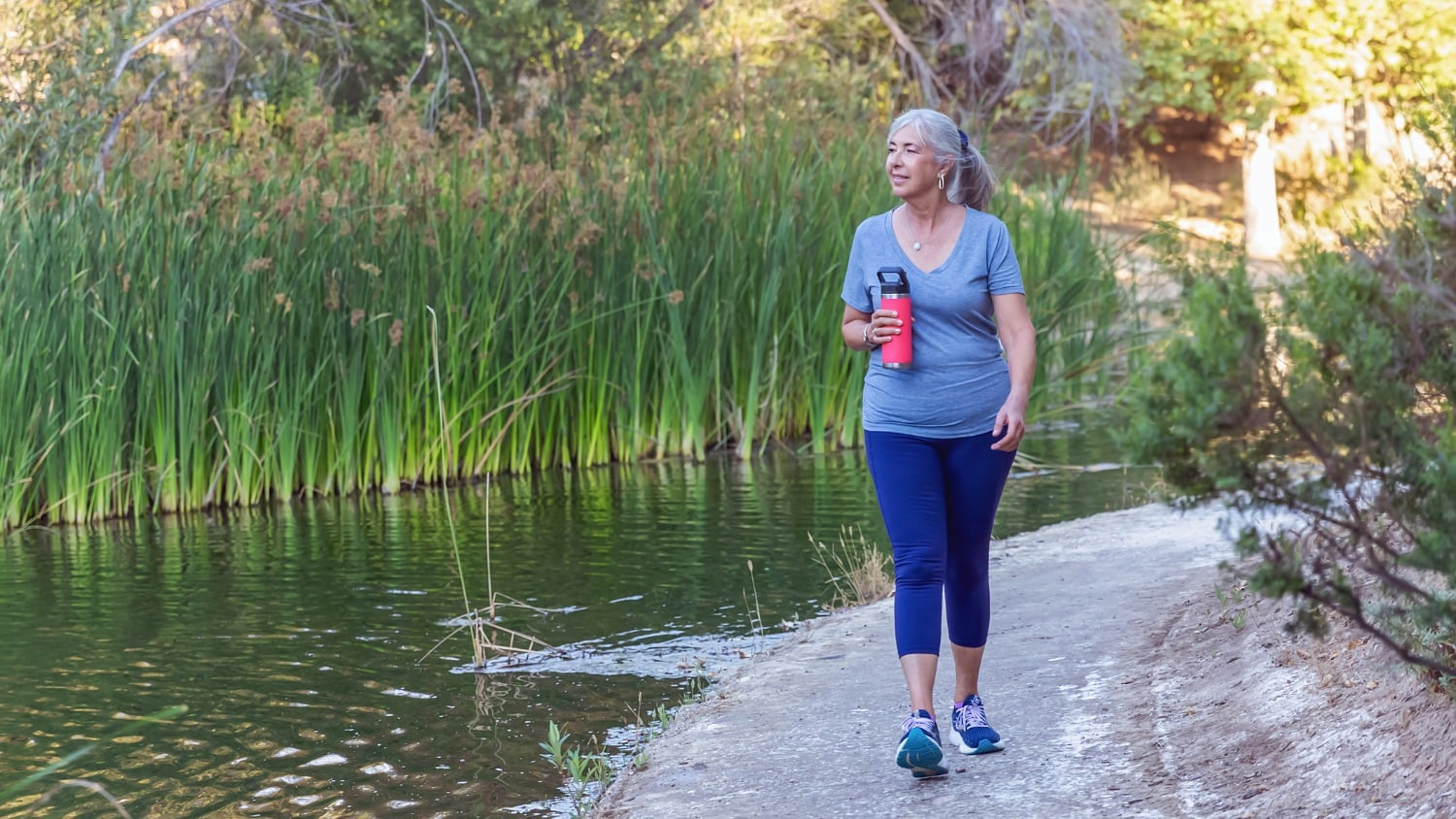
The fitness landscape is shifting away from extreme, joint-punishing routines. Movements like cozy cardio and soft hiking are redefining how we approach daily movement. These trends emphasize mindful, sustainable pacing over strenuous inclines, making cardiovascular benefits accessible to all fitness levels. Health professionals and physical therapists increasingly prescribe these gentle routines to combat the all-or-nothing workout mentality that often leads to burnout and unnecessary joint strain. However, taking a gentle approach to fitness does not mean you have to sacrifice results. With a few strategic adjustments, you can elevate a simple neighborhood stroll into a comprehensive workout that protects your joints and builds total-body strength.
The Hidden Benefits of a Low-Impact Routine
Standard walking is naturally beneficial for the body. The Arthritis Foundation notes that regular walking helps alleviate joint pain by boosting blood circulation, which flushes oxygen and nutrients into the joints to reduce inflammation. It also strengthens the ligaments, tendons, and muscles surrounding your lower body. This strengthening directly decreases the mechanical load placed on vulnerable cartilage, keeping your foundation strong.
However, normal walking can cause uneven knee loading, where the inner part of the knee bears two to three times the force of the outer part. This makes proper mechanics and footwear crucial for long-term joint preservation. When exploring a holistic wellness and fitness guide to build a more sustainable routine, you will quickly find that minimizing this uneven impact is key to staying active as you age. By taking proactive steps to balance your stride, you can walk longer and more comfortably without risking injury.
Engaging Your Upper Body for Maximum Output
To truly transform a basic walk, you need to engage more than just your legs. Using active pole walking techniques shifts the effort across your entire body. Pushing down into the ground with poles helps distribute physical stress away from the knees and lower back while safely increasing the cardiovascular demand on your heart and lungs.
For those looking to adopt this technique, bringing along lightweight adjustable walking sticks provides the necessary support to engage your core, back, and chest muscles. These simple tools encourage a more upright, stable spinal alignment by naturally lifting the upper body and opening the chest. This actively prevents the common hunched posture many people develop during long walks, ensuring your spine stays healthy.
The physical results of this added engagement are highly documented by medical professionals. According to a report from Harvard Health Publishing, Nordic walking engages 80% to 90% of your muscles, compared to just 50% during a standard walk, which allows you to burn an estimated 18% to 67% more calories. This staggering increase in energy expenditure proves that you do not need to run or jump to achieve a vigorous, heart-pumping cardiovascular workout.
Practical Ways to Upgrade Your Daily Walk
Transitioning from a casual walker to a full-body walker is simple when you focus on form and consistency. Here are several strategies to get the most out of your daily mileage:
- Focus on the Stance Phase: Biomechanical studies show that walking with poles can significantly increase the duration and velocity of the stance phase (the moment your foot is on the ground). This leads to a more secure and stable gait. Push off purposefully with each step to maximize this phase.
- Join a Community Program: Socialization boosts consistency. Organizations like Walk With a Doc host free, physician-led community walks in public parks. Surveys show that up to 96% of their participants strongly agree the program helps them successfully adopt and maintain an active lifestyle.
- Prioritize Upright Posture: Keep your eyes forward rather than looking down at your feet. An open chest allows your lungs to expand fully, improving your oxygen intake and overall stamina as you navigate your route.
- Try an Evidence-Based Regimen: Look into structured routines like the Walk With Ease program. Clinically shown to increase physical confidence and reduce fatigue, this type of regimen provides a clear roadmap for adults managing chronic joint pain or recovering from sedentary habits.
Making Your Routine a Sustainable Habit
Consistency is the ultimate secret to long-term health. By embracing these full-body techniques, you shift the focus from how fast you are moving to how efficiently your body is working. Upgrading your walking routine turns a basic daily habit into a highly effective exercise that protects your joints, improves your posture, and enhances your overall well-being. Whether you are strolling through a local park or embarking on a scenic soft hike, every step becomes an opportunity to build a stronger, healthier body.
