
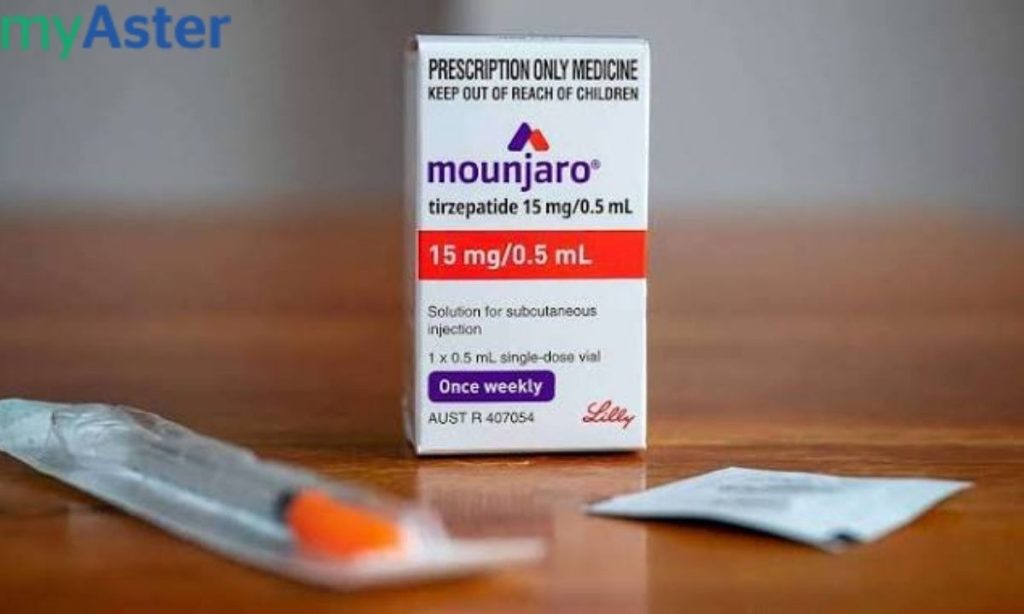
Mounjaro Injection is the brand name for a medicine called tirzepatide, given once a week through a simple injection. It works by copying two hormones your body already makes, known as GLP-1 and GIP. These hormones control how your body handles blood sugar and hunger signals. By acting like these natural hormones, the medicine helps the body manage sugar levels more smoothly during the day.
Once injected, the medicine slows down how fast food moves through the stomach. This helps you feel full for a longer time after eating. It also signals the pancreas to release insulin at the right moments and reduces extra sugar released by the liver. Together, these steps help keep blood sugar steady, which is why doctors often prescribe it for adults living with type 2 diabetes.
What Is Mounjaro Injection Used For?
This medicine is mainly used to help control blood sugar in adults with type 2 diabetes. It is often added to a treatment plan when diet, exercise, and other medicines like metformin are not doing enough on their own. It is not designed for type 1 diabetes, since it depends on the body still making some insulin naturally.
Besides diabetes care, this treatment has also been approved to support weight loss in adults who are overweight or dealing with obesity, especially when other health issues like high blood pressure are involved. Many people without diabetes are now prescribed this injection purely for its weight-related benefits, as long as a doctor confirms it fits their overall health picture.
Key Benefits of Mounjaro Injection
One of the first things people notice is better blood sugar control, often within the first few weeks. Appetite also tends to drop, which naturally leads to smaller meals without constant hunger getting in the way. This makes healthy eating feel less like a struggle and more like a natural habit.
Many users also see steady weight loss over time, which can improve related health numbers such as cholesterol and blood pressure. Since it only needs to be taken once a week, it is far more convenient than daily pills or injections. This weekly routine makes it easier for busy people to stay consistent, which usually leads to better long-term results with treatment.
Mounjaro Injection Dosage and How to Use It
Doctors usually start patients on a low dose and slowly raise it over several weeks. This gradual approach gives the body time to adjust and lowers the chance of stomach-related side effects. The dose should never be changed on your own; always follow the schedule your doctor sets for you.
The injection is given once a week, on the same day, and can be taken with or without a meal. Common injection spots include the stomach area, thigh, or upper arm, and it is best to switch spots each week to avoid skin irritation. A doctor or pharmacist will walk you through using the injection pen the first time, and the medicine should be stored properly, usually in the fridge, to stay effective.
Who May Be Suitable for Mounjaro Injection?
This treatment is usually considered for adults with type 2 diabetes who still struggle with blood sugar control despite diet, exercise, and other medicines. It may also suit adults who are overweight or obese and have related health conditions, as part of a bigger weight management plan guided by a doctor.
It is not right for everyone, though. People with a personal or family history of certain thyroid cancers, or a rare condition called Multiple Endocrine Neoplasia type 2, should avoid this medicine. It is also generally not advised during pregnancy or while breastfeeding. Your doctor will check your full health history, including any past pancreas or digestive problems, before deciding if this treatment fits your needs.
Common Side Effects of Mounjaro Injection
Like most medicines, this one can cause side effects, and digestion-related issues are the most common. Nausea, diarrhea, vomiting, and constipation often show up early on, especially when starting the medicine or moving up in dose. These symptoms usually ease as the body gets used to the treatment, though they can feel uncomfortable in the first few weeks.
Other side effects may include a lower appetite, mild stomach discomfort, and occasional tiredness. Some people also notice slight redness where the injection was given. Eating smaller meals, drinking enough water, and avoiding heavy or greasy foods early in treatment can help make these side effects easier to handle.
Serious Risks, Warnings, and Safety Precautions
Although most side effects stay mild, a few serious risks deserve attention. This medicine carries a warning about a possible risk of thyroid tumors, based on animal studies, which is why it is avoided in people with a history of certain thyroid cancers. Pancreatitis, or swelling of the pancreas, is another rare but serious risk, and ongoing severe stomach pain should be reported to a doctor right away.
Other safety concerns include low blood sugar, which becomes more likely when this medicine is paired with other diabetes drugs like insulin. Kidney trouble can also happen, especially if vomiting or diarrhea causes dehydration. Gallbladder problems, including gallstones, have been reported in some cases too. Anyone noticing signs of a serious allergic reaction, ongoing severe pain, or unusual swelling should get medical help right away instead of waiting for the next dose.
Mounjaro Injection and Weight Management
Weight loss support is a big reason Mounjaro Injection has gained so much attention lately. Clinical research shows many patients lose a meaningful percentage of body weight after several months of steady use, especially when paired with healthy eating and regular movement. Reduced appetite plays a major role here, helping people naturally eat less instead of constantly fighting hunger.
Even so, this treatment is not a shortcut or a stand-in for healthy habits. It works best alongside balanced meals, regular activity, and continued guidance from a healthcare provider. Weight loss results differ from person to person, and stopping treatment without a plan can sometimes lead to weight coming back, which is why lasting lifestyle changes still matter most.
Drug Interactions and Important Health Considerations
Since this medicine changes how quickly the stomach processes food, it can also affect how other oral medicines get absorbed. This matters most for medicines that rely on precise dosing, such as some birth control pills. Doctors often suggest a backup birth control method for a period after starting treatment.
It is also important to share a full list of medicines with your doctor, especially insulin or other diabetes drugs, since mixing them raises the risk of low blood sugar. Regular checkups and blood work are usually part of the plan to track how the body responds. Staying open with your doctor about new symptoms, other prescriptions, or supplements helps keep the treatment safe and effective for your specific situation.
Frequently Asked Questions
1. How often do I need to take Mounjaro Injection?
It is taken once a week, on the same day each time, with or without food.
2. Can I use Mounjaro Injection for weight loss even without diabetes?
Yes, it is approved for weight management in adults with obesity or who are overweight along with related health conditions.
3. How soon will I notice results?
Blood sugar improvements are often seen within a few weeks, while weight loss usually builds up gradually over several months.
4. What side effect happens most often?
Nausea is the most commonly reported side effect, especially at the start of treatment or after a dose change.
5. Is it okay to suddenly stop treatment?
No, stopping suddenly without medical advice can affect blood sugar control and may lead to regaining lost weight.
6. Can this medicine be combined with insulin?
Yes, in some cases, but it raises the risk of low blood sugar, so careful monitoring is needed.
7. Where on the body should the injection be given?
It is usually given in the stomach, thigh, or upper arm, with the site rotated each week to avoid irritation.
Conclusion
Mounjaro Injection helps manage blood sugar and support weight loss. It works by controlling appetite and insulin levels. Many people see real benefits with regular use. Still, it should always be used under a doctor’s care.
Side effects and risks should never be ignored. Always follow the correct dosage schedule. Talk to your doctor about any health concerns. With proper guidance, this treatment can be safe and effective.
