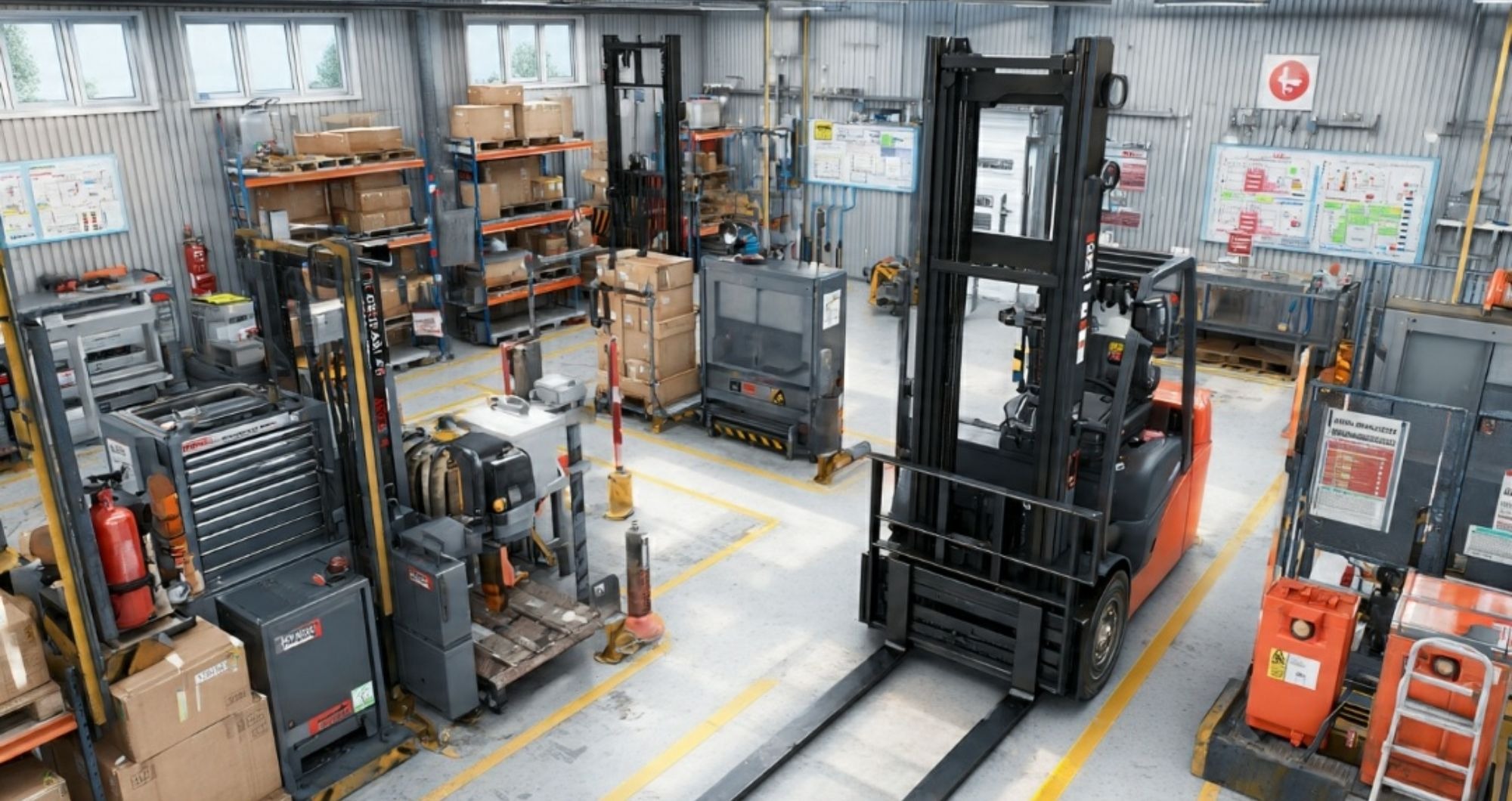
An RTITB forklift course provides structured training for people who need to operate forklift trucks safely and competently in the workplace. It combines theoretical knowledge with practical training, helping operators understand equipment controls, load handling, workplace safety and responsible forklift operation.
Choosing an RTITB forklift course can help new and experienced operators develop the skills required for their role. RTITB training is designed around recognised workplace transport standards, with courses available for different levels of experience and types of lift truck.
Who Can Take an RTITB Forklift Course?
An RTITB forklift course can suit both new operators and people with previous forklift experience. The most appropriate training depends on an individual’s existing knowledge, previous formal training and the type of truck they need to operate.
Novice training is intended for people with little or no previous experience. Experienced operators may require a shorter course if they have practical experience but have not previously completed formal training and assessment.
Refresher training is also available for operators who have already been trained and need to maintain or reassess their competence.
What Does Forklift Truck Training Cover?
A forklift training course normally combines classroom or theory-based learning with practical instruction. This matters because safe forklift operation involves more than learning how to drive the truck.
Depending on the truck type and course, training can cover:
- Forklift controls and instruments
- Pre-use inspections
- Safe starting, stopping and steering
- Load handling and weight assessment
- Truck stability
- Handling laden and unladen loads
- Manoeuvring in restricted areas
- Driving on ramps and inclines
- Loading and unloading vehicles
- Stacking and de-stacking
- Workplace safety procedures
- Operator responsibilities
- Relevant health and safety legislation
RTITB explains that operator training includes both practical and theory elements, including legislation, accident causes, the operator safety code and truck stability.
Why Is Forklift Safety Training Important?
Forklift trucks are useful materials-handling equipment, but incorrect operation can put operators, pedestrians, stock, and property at risk. Proper training helps operators understand workplace hazards and handle loads more safely.
Forklift training is about more than gaining a certificate. It builds the practical skills, awareness, and safe working habits needed to operate equipment responsibly in the workplace.
What Are the UK Forklift Training Requirements?
UK health and safety legislation requires employers to ensure that employees using work equipment are properly trained and competent. The Provision and Use of Work Equipment Regulations 1998 (PUWER) is relevant to forklift trucks and other workplace equipment.
HSE guidance also recommends suitable lift truck operator training based on the equipment and working environment. Employers should consider the operator’s experience, workplace conditions and type of forklift before allowing them to operate independently.
How Is an RTITB Forklift Course Assessed?
Assessment is an important part of an RTITB forklift course. Operators need to demonstrate that they understand the information covered during training and can apply it during practical operation.
Depending on the course, assessment can include:
- Theory or knowledge testing
- Pre-use inspection
- Practical operating assessment
- Load handling exercises
- Safe manoeuvring
- Demonstration of appropriate operating procedures
Successful candidates can receive an RTITB certificate relevant to the course they have completed. The exact assessment process can vary by lift truck type and training level.
What Is RTITB Refresher Forklift Training?
Refresher training helps previously trained forklift operators maintain and reassess their skills. It can be useful when knowledge needs updating or workplace conditions have changed.
The training can review pre-use checks, safe operating procedures, load stability, manoeuvring and pedestrian awareness. The course duration can vary depending on the operator’s experience and individual training needs.
Which Types of Forklift Training Are Available?
Forklift trucks come in different forms, and operators should be trained on the type of equipment they are expected to use. Counterbalance trucks are one common category, while reach trucks and other materials handling equipment require their own specific training.
RTITB training options include courses covering counterbalance forklifts, reach trucks, electric pallet and stacker trucks, very narrow aisle trucks, order pickers, pivot steer trucks and other workplace transport equipment.
How Can RTITB Training Benefit Businesses?
For businesses, suitable forklift training can support safer workplace operations while helping operators develop greater confidence and competence.
Key benefits include:
- Improved operator awareness
- Safer load handling
- Better understanding of truck stability
- Reduced risk of workplace incidents
- Greater awareness of pedestrians and other workplace hazards
- Support for health and safety responsibilities
- Improved handling of workplace equipment
- Evidence of appropriate operator training and assessment
Training can reflect the workplace environment, helping operators develop essential forklift skills alongside workplace-specific information and familiarisation.
Selecting Suitable Forklift Training
The right training depends on the operator’s experience, the type of forklift, and the working environment. Beginners may need novice training, while experienced operators may benefit from refresher training.
H&S Solutions offers RTITB-accredited forklift training, including novice and refresher courses. The training covers theory, practical operation and assessment to help operators work safely and competently.