
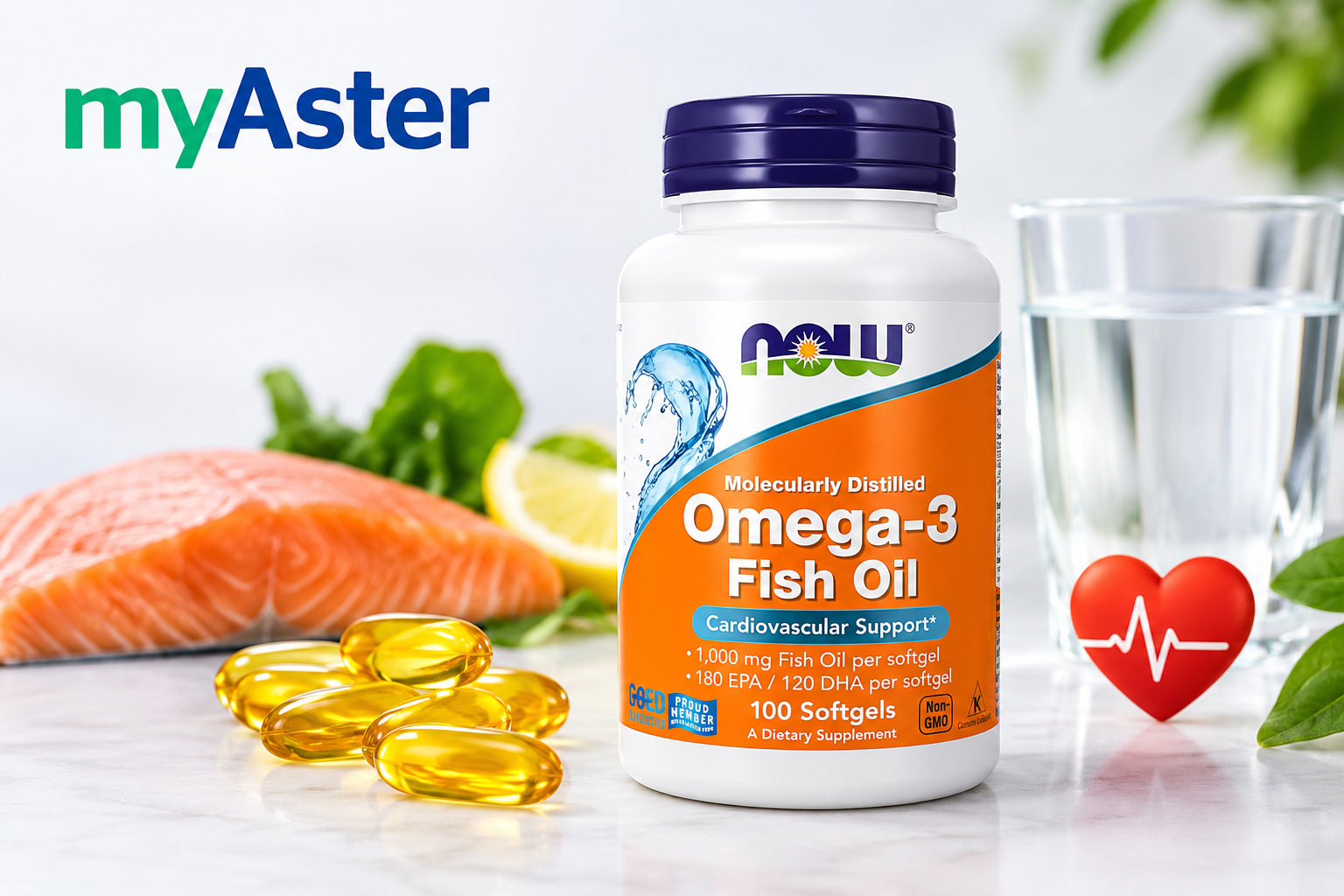
Ask ten people what keeps a heart strong, and you will probably hear about exercise, salt, and cholesterol. Fats rarely come up, yet the type of fat you eat matters a great deal. Some fats clog the system, while others quietly protect it. Omega-3s belong firmly in the second group.
Over the past few decades, researchers have studied how these fats influence blood pressure, inflammation, and rhythm of the heartbeat. The picture is encouraging, but it is also more nuanced than many headlines suggest. This guide explains what omega-3s do, where to find them, and how to use them sensibly as one part of a bigger lifestyle plan.
What exactly are Omega-3s?
Omega-3 fatty acids are a family of polyunsaturated fats that your body needs but cannot make in meaningful amounts on its own. That means they must come from food or supplements. There are three main types worth knowing about:
- EPA (eicosapentaenoic acid), found mostly in fatty fish and algae
- DHA (docosahexaenoic acid), also found in fish and important for brain and eye health
- ALA (alpha-linolenic acid), found in plant foods such as flaxseed, chia seeds, and walnuts
Your body can convert a small portion of ALA into EPA and DHA, but the process is inefficient. This is why nutrition experts often point to fish as the most reliable source of the two forms most closely linked to heart benefits.
Think of these fats as building materials. They become part of the membranes of every cell in your body, including the cells in your heart and blood vessels, and they help those cells communicate and respond to stress.
How Omega-3s Support Your Heart
The research on heart health is broad, and several benefits show up again and again. Here is what these fats appear to do:
- Lower triglycerides. High levels of this blood fat are linked to heart disease, and EPA and DHA can reduce them noticeably, especially at higher doses.
- Support healthy blood pressure. Many studies show a small but meaningful drop in blood pressure, particularly in people whose readings are already elevated.
- Calm inflammation. Chronic low-grade inflammation contributes to plaque buildup in the arteries, and omega-3s help the body produce compounds that settle this response.
- Help maintain a steady heartbeat. People who regularly eat fish seem to have a lower risk of dangerous rhythm problems.
- Keep blood less likely to clot abnormally, which may reduce the chance of a blockage forming.
None of these effects is dramatic on its own. The value comes from the combined, long-term influence, which is why consistent habits beat short bursts of effort.
Start With Food Before Anything Else
Most cardiologists and dietitians agree on one point: food comes first. When you eat salmon or sardines, you get protein, vitamin D, selenium, and other nutrients along with the fat. You also tend to replace less healthy options, such as processed meat, which adds to the benefit.
The American Heart Association recommends eating fish at least twice a week, with a focus on fatty varieties. Good choices include:
- Salmon
- Mackerel
- Sardines
- Herring
- Trout
- Anchovies
A serving is about three and a half ounces cooked, roughly the size of a deck of cards. Baking, grilling, or steaming keeps the meal light. Deep frying, on the other hand, can undo some of the advantages.
If you do not eat fish, you still have options. Ground flaxseed stirred into oatmeal, a spoonful of chia seeds in yogurt, or a handful of walnuts as a snack will all add ALA. Algae-based products are another route, since algae are where fish get their EPA and DHA in the first place.
Where Supplements Make Sense
Not everyone can eat enough fish. Some people dislike the taste, some avoid it for dietary or ethical reasons, and some simply find it hard to buy and cook regularly. That is where fish oil and omega-3 supplements come in as a practical backup.
It helps to be realistic about what the evidence shows. Large trials in people without existing heart disease have produced mixed results, and some found little benefit from standard over-the-counter doses. The strongest case exists for people with very high triglycerides, where prescription-strength omega-3 products have been shown to help under medical supervision. Certain high-risk patients have also benefited from specific purified forms of EPA.
There are also a few cautions worth keeping in mind:
- High doses have been linked to a higher risk of atrial fibrillation in some studies.
- Omega-3s can have a mild blood-thinning effect, so tell your doctor if you take anticoagulants or have a bleeding disorder.
- Quality varies, so look for products tested by an independent third party for purity and freshness.
- A fishy aftertaste or burping often means the oil is low quality or has gone rancid.
When you read a label, check the amounts of EPA and DHA rather than the total oil. A capsule that says one thousand milligrams of fish oil may contain far less of the active ingredients. Taking your supplement with a meal that includes some fat can improve absorption and reduce stomach upset.
Most importantly, talk with your doctor or a pharmacist before you begin, especially if you are pregnant, managing a medical condition, or taking regular medication.
Building the Bigger Picture
Omega-3s are helpful, but they are not a shield against poor habits. A person who eats salmon on Monday and fast food the rest of the week is not getting the full benefit. A heart-healthy lifestyle works as a system, and each piece supports the others.
Consider pairing your omega-3 intake with these habits:
- Eat plenty of vegetables, fruit, whole grains, and legumes.
- Choose olive oil and nuts over butter and processed spreads.
- Limit sodium, added sugar, and ultra-processed snacks.
- Move your body for at least 150 minutes each week, whether through brisk walking, cycling, or swimming.
- Sleep seven to nine hours a night, since poor sleep strains blood pressure and metabolism.
- Manage stress through whatever works for you, from breathing exercises to time outdoors.
- Avoid smoking and keep alcohol modest.
The Mediterranean eating pattern is a good example of how this comes together. It is rich in fish, olive oil, vegetables, and whole foods, and it has some of the best long-term evidence for protecting the heart.
A Simple Weekly Plan You Can Actually Follow
Knowing what to do is easy. Doing it every week is harder, so keep the plan simple. Here is one realistic way to get started:
- Add two fish meals to your weekly menu. Grilled salmon on Tuesday and a sardine salad or tuna wrap on Friday is a perfectly good start.
- Keep a jar of ground flaxseed or chia seeds on the kitchen counter, and add a spoonful to breakfast.
- Swap one afternoon snack for a small handful of walnuts.
- If you decide to take a supplement, set a daily reminder and store the bottle in a cool, dark place so the oil stays fresh.
- Book a routine checkup, and ask for a lipid panel so you know your starting numbers.
After a few months, check in with yourself. Notice how the changes feel, and if you have bloodwork done again, see whether your triglycerides or blood pressure have shifted. Seeing your own progress is a powerful motivator.
Small Changes, Big Rewards for Your Heart
Omega-3 fatty acids deserve their reputation, but they work best as a supporting player rather than a miracle fix. Eating fish twice a week, adding a few plant sources, and using supplements wisely when your diet falls short can all strengthen your heart over time.
The real secret is consistency. A few thoughtful choices repeated week after week will do more for your cardiovascular health than any single dramatic change. Start with one small step this week, such as putting salmon on the dinner menu, and build from there. Your heart works for you every second of the day, and a little care in the kitchen is a fair way to return the favor.
