
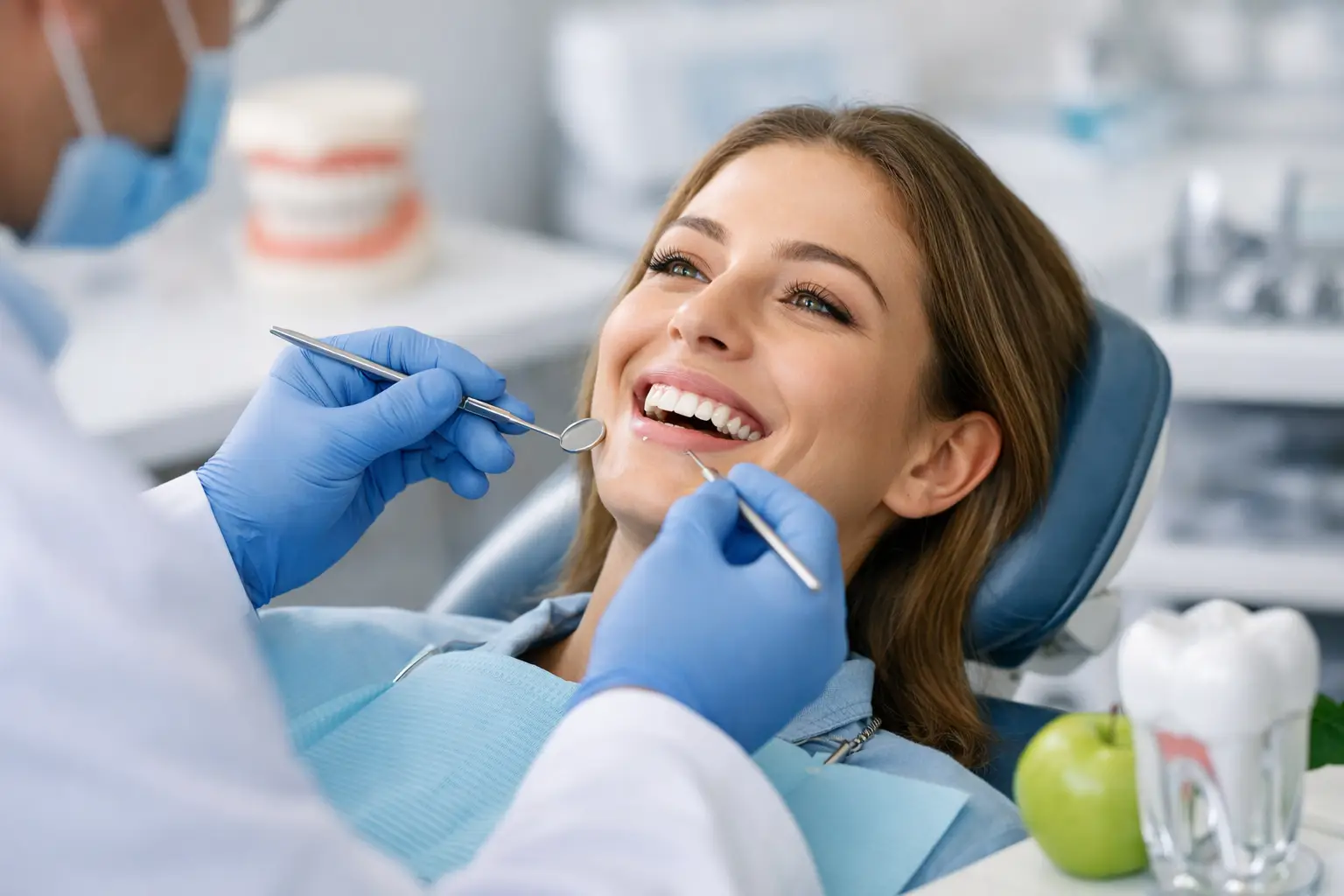
You brush, you floss when you can, and you try not to ignore that small change in your smile. Still, it is easy to feel torn between what looks cosmetic and what feels medically necessary, and talking with a dentist in Surprise, AZ can help you decide. Maybe you want whiter teeth or to fix a chip, but part of you wonders if that is less urgent than a cleaning or exam. That tension is common, especially when time and money both matter.
The truth is simpler than it seems. Preventive care protects your oral health before bigger problems start, and cosmetic treatment can support that goal when it improves tooth shape, bite, spacing, or surfaces that are harder to keep clean. A strong plan often includes both. How Cosmetic Dentistry Complements Preventive Dentistry For Complete Care comes down to this: healthy teeth and gums create the base for cosmetic work, and the right cosmetic treatment can make ongoing care easier and more effective.
Preventive dentistry protects the foundation of your smile
Routine exams, cleanings, fluoride, and early treatment do more than keep your teeth looking neat. They lower the risk of decay, gum disease, enamel wear, and infections that can spread pain and cost through the rest of your mouth. The CDC’s overview of oral health makes the link clear. Oral health affects eating, speaking, sleeping, and daily comfort.
If you skip preventive visits because nothing hurts yet, problems tend to stay hidden until they are harder to treat. A tiny cavity can become a crown. Gum irritation can turn into bone loss. Grinding can wear down enamel so slowly that you do not notice until your teeth look shorter or feel more sensitive.
This is where many people get stuck. They think cosmetic concerns are separate from health concerns, when the two often overlap. Stained teeth may only be a color issue, but a chipped edge can trap plaque. Crowded teeth can make brushing and flossing harder. Worn teeth can change your bite and increase strain on other teeth.
Cosmetic dentistry can support prevention in practical ways
Cosmetic and preventive dental care work well together because appearance and function are connected. A well-shaped restoration can be easier to clean. Repairing a crack can keep bacteria from moving deeper into the tooth. Straightening teeth in some cases can reduce plaque buildup in tight spaces.
Think about a front tooth with a small chip. You may notice it every time you look in the mirror, but the issue is not only visual. That rough edge can catch food, wear unevenly, or tempt you to bite differently. Bonding can smooth the surface, improve the look, and help protect the tooth from more damage.
The same goes for worn enamel. You might first notice that your teeth look flat or dull. Under that cosmetic change, the tooth may be losing its outer defense. Restorative cosmetic options such as veneers or crowns are not right for every case, but when used carefully, they can restore structure while improving appearance.
A family and cosmetic dentist often looks at the full picture. Clean gums, stable enamel, and a healthy bite come first. Cosmetic treatment then builds on that base instead of covering up active disease.
Ignoring appearance concerns can lead to bigger oral health problems
People often put off cosmetic work because it feels optional. Sometimes that is true. Sometimes it is not. If you avoid smiling because a tooth is broken, you may also avoid photos, conversations, or even care because you feel embarrassed. That emotional strain is real, and it can delay treatment until a small fix becomes a larger one.
There is also the practical side. Teeth that are cracked, misshapen, or poorly aligned can be harder to clean well at home. The CDC’s adult oral health tips stress daily brushing, flossing, and regular dental visits, but those habits work best when the tooth surfaces and gumline are accessible and stable.
Preventive and cosmetic dentistry are strongest when they are planned together. Whitening before untreated decay is addressed can worsen sensitivity. Veneers placed over unhealthy gums can lead to disappointment and more treatment. The order matters. Health first, then appearance, then maintenance.
Comparing preventive care and cosmetic treatment side by side
| Dental Need | Preventive Focus | Cosmetic Focus | Best Combined Outcome |
|---|---|---|---|
| Plaque buildup and early gum irritation | Professional cleaning, home care guidance, regular exams | Usually delayed until gums are healthy | Cleaner teeth, healthier gums, better long term cosmetic results |
| Small chip or rough tooth edge | Check for bite issues, decay, or grinding habits | Bonding to restore shape and appearance | Smoother surface that is easier to clean and less likely to worsen |
| Tooth discoloration | Rule out decay, erosion, or old fillings | Whitening or veneers when appropriate | Safer cosmetic improvement with fewer surprises |
| Crowded teeth | Monitor gum health and cleaning difficulty | Alignment treatment in selected cases | Improved appearance and better access for brushing and flossing |
| Worn enamel from grinding | Night guard, exam, bite evaluation | Restorative cosmetic treatment if structure is lost | Protection from further wear and a more balanced smile |
The broader health message stays consistent across trusted sources. The NIH oral and dental health resource points to prevention, early care, and management of conditions before they become more serious. Cosmetic choices work best when they follow that same logic.
Three steps can help you make smart dental decisions now
1. Start with a health first exam. If you are thinking about whitening, bonding, veneers, or straightening, get a full exam and cleaning first. Ask about gum health, enamel wear, old fillings, and bite pressure. That gives you a safe starting point.
2. Ask which cosmetic concerns affect function. A stain and a crack are not the same thing. Ask your dentist which issues are only visual and which ones could raise your risk of decay, sensitivity, or breakage. That helps you prioritize without guessing.
3. Build a maintenance plan you can keep. The best dental work still needs home care and follow up. Ask how often you should come in, what products fit your needs, and whether habits like clenching or acidic drinks could shorten the life of treatment.
Complete dental care supports both health and confidence
You do not have to choose between a healthy mouth and a smile you feel good about. The two often support each other. Preventive care catches trouble early, cosmetic treatment can restore form and function, and a thoughtful plan keeps both working over time.
If you are weighing your options, a family and cosmetic dentist can help you sort out what needs attention first and what can wait. Small steps now can prevent larger problems later and leave you with a smile that feels easier to care for every day.
