
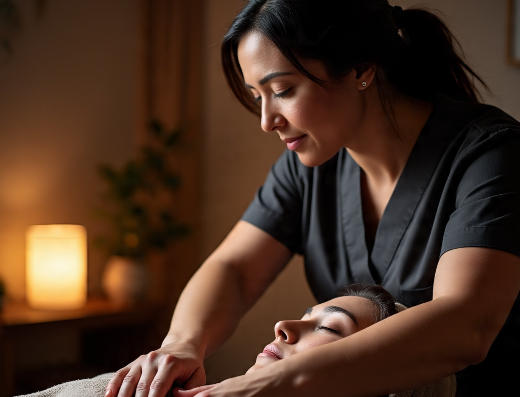
Stress has become a constant presence in modern life. Work pressure, financial responsibilities, family demands, digital overload, and lack of rest gradually wear down both the body and mind. While short-term solutions such as vacations, entertainment, or medications may provide temporary relief, they often fail to address the deeper patterns that cause stress to return. 영등포 출장안마 This is why many people turn to massage therapy as a long-term solution for managing stress in a natural and sustainable way.
Massage therapy is not just about relaxation for a moment; it helps reshape how the body and mind respond to stress over time. By working with the body’s natural systems, massage therapy offers lasting relief rather than short-lived comfort.
The Difference Between Temporary Relaxation and Long-Term Stress Relief
Many stress-relief methods focus on distraction rather than resolution. Watching a movie, scrolling through social media, or taking a short break may momentarily shift attention away from stress, but the underlying tension remains stored in the body.
Massage therapy works differently. Instead of masking stress, it addresses how stress physically settles into muscles, breathing patterns, posture, and nervous system responses. Over repeated sessions, massage therapy helps retrain the body to release tension more easily and recover faster from stressful situations.
This long-term impact is one of the main reasons people choose massage therapy over quick fixes.
How Stress Becomes Stored in the Body
Stress is not only a mental experience; it creates physical reactions. When stress occurs, the body prepares for action by tightening muscles, increasing heart rate, and altering breathing. If stress is ongoing, these physical responses never fully shut off.
Muscles in the neck, shoulders, jaw, back, and hips often remain partially contracted for long periods. This stored tension leads to discomfort, fatigue, headaches, and reduced mobility. Over time, the body begins to treat this tense state as normal.
Massage therapy helps release this stored stress by physically relaxing muscles and sending signals to the brain that it is safe to let go of tension.
Why Massage Therapy Feels Deeply Calming
Massage therapy influences the body’s relaxation systems at a biological level. Gentle, steady touch stimulates receptors in the skin that communicate directly with the nervous system. These signals encourage the body to move out of stress mode and into a state of rest and recovery.
Heart rate slows, breathing becomes deeper, and muscle tone decreases. This shift creates a feeling of calm that is not forced but naturally emerges as the body relaxes.
Because this response is physiological, not psychological alone, it becomes easier to access relaxation over time with regular massage.
Supporting Nervous System Balance Over Time
Chronic stress keeps the nervous system in a constant state of alertness. This imbalance makes people more reactive, anxious, and easily overwhelmed.
Massage therapy supports long-term stress relief by helping regulate the nervous system. With repeated sessions, the body becomes more familiar with relaxation, making it easier to return to a calm state after stressful events.
People who receive regular massage often notice that they recover more quickly from stress and feel less emotionally reactive in daily life.
Reducing Physical Symptoms That Increase Stress
Physical discomfort and stress often feed into each other. Pain, stiffness, and fatigue increase irritability and mental strain, while stress intensifies physical discomfort.
Massage therapy breaks this cycle by addressing physical symptoms that contribute to stress. Relaxed muscles, improved circulation, and reduced pain make daily activities feel easier and less draining.
When the body feels comfortable, the mind is less burdened, supporting a more balanced emotional state.
Encouraging Better Breathing Patterns
Stress commonly leads to shallow, rapid breathing, which signals the body to remain alert. Over time, poor breathing habits reinforce anxiety and tension.
Massage therapy naturally encourages slower and deeper breathing. As muscles relax and the chest and diaphragm move more freely, breathing becomes more efficient and calming.
Improved breathing supports long-term stress management by helping the body regulate emotional responses more effectively.
Creating a Dedicated Space for Mental Reset
One reason people value massage therapy for stress relief is the intentional pause it creates. A massage session offers uninterrupted time away from responsibilities, screens, and external demands.
This mental break allows the mind to reset and recover. Over time, this regular pause becomes a powerful tool for preventing stress accumulation.
Unlike activities that keep the mind stimulated, massage therapy encourages stillness and presence, which are essential for long-term stress reduction.
Emotional Release Through Physical Relaxation
Stress often builds up emotionally without being consciously processed. Massage therapy provides a safe and supportive environment for emotional release through physical relaxation.
As muscle tension dissolves, emotions connected to long-held stress may surface and then pass. This release is a natural part of the healing process and contributes to emotional balance.
People often report feeling lighter, calmer, and more emotionally stable after regular massage therapy.
Improving Sleep as a Foundation for Stress Control
Poor sleep increases stress levels and reduces the body’s ability to cope with challenges. Massage therapy supports better sleep by calming the nervous system and reducing physical discomfort.
With improved sleep quality, the body repairs itself more efficiently, and stress hormones decrease. 여의도출장마사지 Over time, better sleep strengthens resilience against daily stressors.
This sleep-stress connection is a key reason massage therapy supports long-term stress relief rather than short-term relaxation.
Helping the Body Adapt to Ongoing Life Demands
Stress cannot be completely eliminated from life, but the body’s response to stress can be improved. Massage therapy helps the body adapt by reducing baseline tension and improving recovery.
When muscles stay relaxed and circulation remains healthy, the body handles stress with less strain. This adaptability allows people to manage busy schedules without feeling constantly overwhelmed.
Massage therapy becomes a form of training for stress resilience.
A Natural Alternative to Long-Term Medication Use
Many people seek massage therapy as an alternative to long-term reliance on stress-related medications. While medication may be necessary in some cases, massage therapy offers a natural option without chemical side effects.
By supporting relaxation, emotional balance, and physical comfort, massage therapy addresses stress at multiple levels. This makes it appealing for individuals seeking holistic, drug-free stress management.
Massage therapy can be used alone or alongside other wellness approaches for comprehensive care.
Building a Consistent Self-Care Practice
One reason massage therapy is effective for long-term stress relief is its consistency. Regular sessions create a predictable rhythm of care that prevents stress from accumulating.
This ongoing support helps maintain balance rather than waiting for stress to become overwhelming. Over time, massage therapy becomes part of a sustainable self-care routine rather than a crisis response.
People who commit to regular massage often report long-lasting improvements in mood, energy, and overall well-being.
Why Massage Therapy Aligns With Modern Wellness Goals
Modern wellness focuses on prevention, balance, and quality of life rather than just treating problems. Massage therapy aligns with these goals by supporting both physical and mental health.
It encourages awareness of the body, early recognition of tension, and proactive stress management. This holistic approach fits well with long-term wellness strategies.
As awareness grows, more people recognize massage therapy as an essential part of healthy living.
Conclusion
People choose massage therapy for long-term stress relief because it works with the body rather than against it. By releasing physical tension, calming the nervous system, improving sleep, and supporting emotional balance, massage therapy addresses stress at its roots.
Unlike temporary distractions or quick fixes, massage therapy creates lasting change by helping the body learn how to relax and recover. For those seeking a natural, effective, and sustainable way to manage stress, massage therapy offers a powerful path toward long-term well-being and inner balance.
