
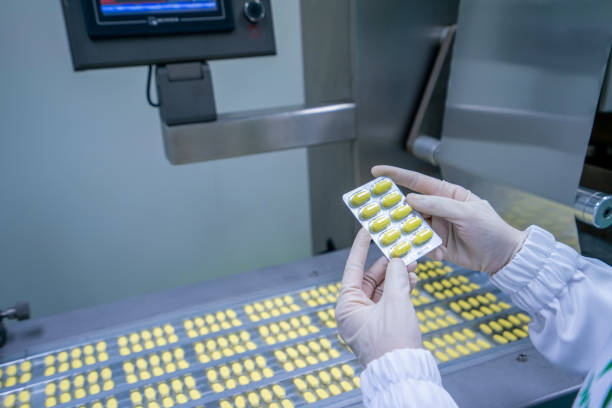
Maintaining high standards in pharmaceutical production is vital for protecting public health and ensuring every dose works correctly. You rely on precise engineering and strict oversight to prevent dangerous errors that might compromise patient safety. Quality control acts as a shield between the lab and the pharmacy shelf, making sure no substandard products ever reach the market.
Selecting a reliable medicine manufacturing company involves checking their commitment to rigorous testing and international safety protocols. These organisations must monitor every single stage of the process to maintain their reputation and avoid costly recalls. Consistency is not just a goal but a legal necessity in an industry where tiny variations in chemical composition can have life-threatening consequences.
The Foundation of Pharmaceutical Safety
Adherence to GMP: Good Manufacturing Practices serve as the primary framework for all operations within a modern facility. You must follow these guidelines to ensure that environment controls, equipment maintenance, and staff training remain at peak levels. Failing to meet these standards often leads to regulatory fines or the total loss of consumer trust in your healthcare brand.
Raw Material Screening: Every ingredient entering the facility undergoes thorough inspection to confirm its purity and chemical identity before use. You cannot risk using contaminated or low-grade components that might alter the efficacy of the final medication. This initial step prevents systemic failures and ensures that the base of every tablet or liquid remains stable and safe for consumption.
In-Process Monitoring: Technicians constantly check the production line to verify that temperature, pressure, and mixing times remain within specific limits. Perhaps these small adjustments seem minor, but they prevent large-scale waste and ensure that chemical reactions occur exactly as intended. Real-time data collection helps you identify potential issues before they become expensive problems that ruin an entire production run.
Advanced Laboratory Testing Protocols
Analytical Validation: Scientists use sophisticated tools like high-performance liquid chromatography to verify the exact concentration of active ingredients in a sample. You need this level of detail to guarantee that every patient receives the correct dosage every time they take their medicine. Pharmacokinetics studies also play a role in understanding how these substances interact with the human body after ingestion.
Stability Testing: Products are often subjected to extreme conditions to determine how they hold up over time in different climates. You must know exactly how long a shelf life is realistic before the chemical components begin to degrade or lose their strength. This testing provides the data needed for accurate expiry dates, which protects patients from using ineffective or spoiled treatments.
Microbiological Assessment: Labs must ensure that no bacteria or fungi have contaminated the sterile environment during the complex formulation process. You have to maintain a zero-tolerance policy for microbes in injectable drugs or ophthalmic solutions to prevent serious infections. Regular air sampling and surface swabbing are essential tasks that keep the manufacturing environment clean and compliant with health regulations.
Critical Parameters for Batch Inspection
Physical Standards Testing: Every finished item must undergo a series of physical evaluations to ensure it matches the master formula specifications exactly. You should monitor these specific metrics during the final stages of the production cycle:
- Batch numbers must be clearly printed for accurate tracking.
- Weight variation checks are performed to ensure dosage uniformity.
- Disintegration time measurements verify how tablets dissolve.
- Moisture content analysis is required for all powder products.
- Visual inspection identifies any physical packaging defects.
Documentation Control: Every step of the manufacturing journey is recorded in detail to provide a clear audit trail for regulators. You must be able to trace every ingredient back to its original source and identify every person who handled the batch. This transparency builds brand credibility and makes it much easier to investigate if a rare defect is ever reported by a user.
Consequences of Quality Failures
Risk to Patients: When quality control fails, the most significant danger is the potential harm caused to the individuals taking the medicine. You might encounter situations where a drug is too strong, leading to toxicity, or too weak, allowing an illness to progress. The human cost of negligence is far too high to ignore any part of the safety verification process.
Financial Waste: Scrapping a massive batch of finished goods due to a late-stage error results in a significant loss of capital. You also face the threat of legal action and heavy penalties from government bodies if faulty products reach the public. Investing in biotechnology solutions for better monitoring is often cheaper than dealing with the aftermath of a widespread product recall.
Loss of Reputation: Trust is the most valuable asset any healthcare provider possesses, and it takes years to build but seconds to break. You will struggle to regain the confidence of pharmacists and doctors if your products are known for being inconsistent or unreliable. Maintaining a strict quality culture is the only way to survive in a competitive and highly regulated global market.
Conclusion
Securing the future of your business requires a relentless focus on excellence and the elimination of manufacturing variables. You must prioritise safety over speed to ensure that every patient receives a product they can rely on for their wellbeing. If you want to enhance your product range with high-quality formulations, contact us today to discuss your specific manufacturing needs and requirements.
