
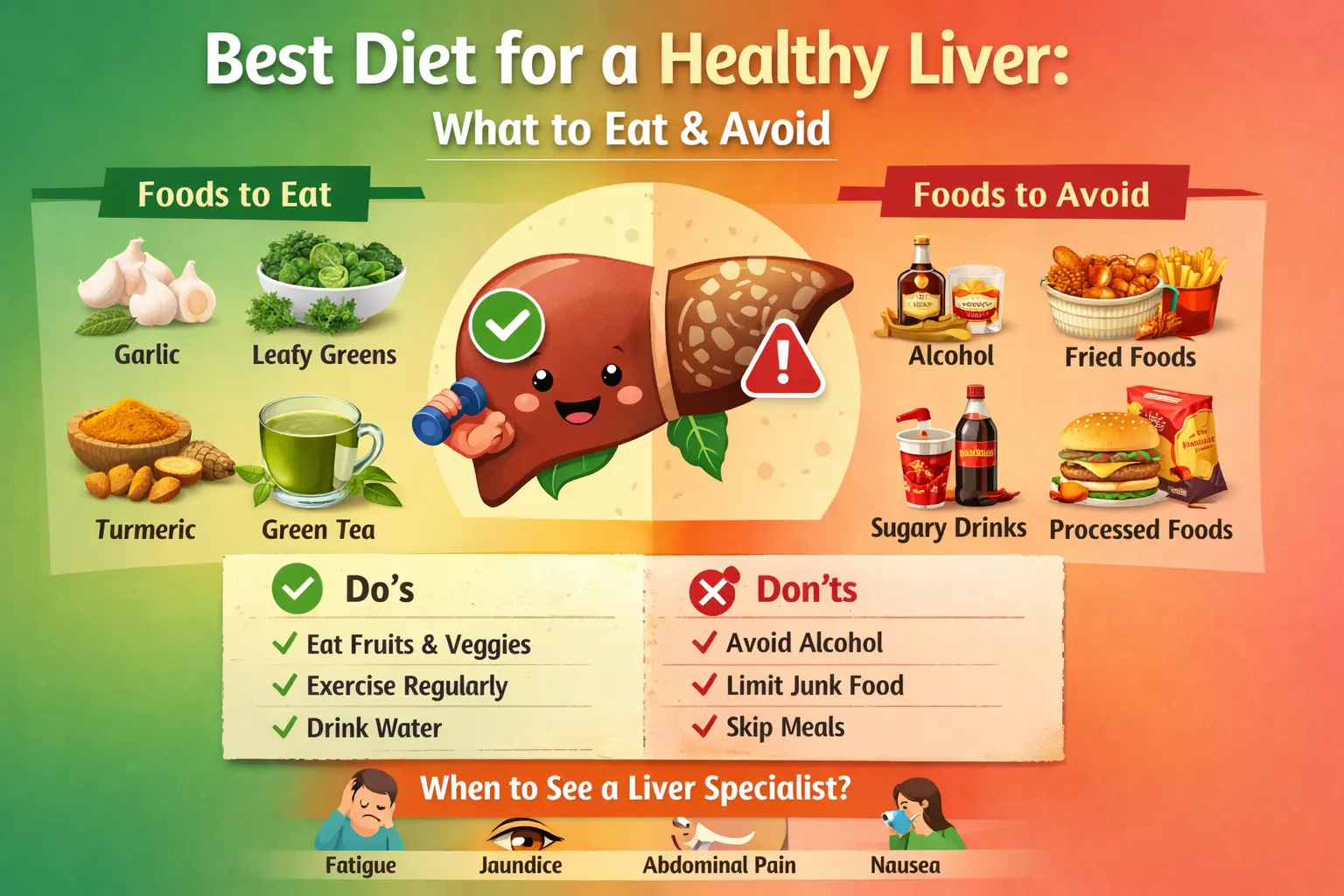
Eating well with liver disease is not about following a rigid, joyless plan. It is about understanding which foods genuinely support your liver and which ones place unnecessary strain on an organ that is already working hard. Choosing the right food for liver disease patients (this is commonly referred to as อาหารสำหรับผู้ป่วยโรคตับ in Thai) can make a tangible difference to how you feel day to day, from your energy levels to your digestion and skin. Because the liver plays a role in so many of the body’s processes, even mild disruption to its function can be felt in ways that seem completely unrelated. The good news is that consistent, thoughtful nutrition is one of the most powerful tools you have alongside medical treatment.
Why Nutrition Matters for Liver Health
The liver filters toxins, processes nutrients, produces proteins, and regulates blood sugar. Conditions such as fatty liver, hepatitis, or cirrhosis can gradually chip away at the liver’s capacity to keep up with these demands. A well-structured diet can reduce inflammation, slow disease progression, support muscle maintenance, and ease the liver’s overall workload considerably.
Foods That Actively Support Your Liver
Lean Protein Sources
Protein helps repair liver tissue and preserve muscle mass, which tends to decline in advanced liver conditions. Good options include:
- Eggs, particularly the whites
- Skinless chicken or turkey
- Oily fish such as salmon and mackerel, which also provide anti-inflammatory omega-3 fatty acids
- Lentils, chickpeas, and other legumes
Antioxidant-Rich Vegetables
Antioxidants reduce oxidative stress in the liver, which drives inflammation and cell damage. Try to fill at least half of every plate with vegetables, focusing on:
- Broccoli, cabbage, and Brussels sprouts, which support liver detoxification
- Spinach and dark leafy greens
- Beetroot, associated with reduced liver inflammation
- Garlic, which may help lower liver fat levels
Whole Grains Instead of Refined Carbohydrates
Refined carbohydrates such as white bread and sugary cereals cause blood sugar spikes that contribute to fat accumulation in the liver. Replacing them with wholegrains such as oats, brown rice, quinoa, and wholemeal bread offers steady, lasting energy while easing the burden on your liver.
What to Limit or Avoid
Being mindful of what you cut back on matters just as much as what you add. Keep the following to a strict minimum:
- Alcohol: Even small amounts can accelerate liver damage and are best avoided entirely
- Processed foods: High in saturated fat, sugar, and sodium, all of which increase the liver’s burden
- Excess salt: Can worsen fluid retention, a common complication in advanced liver disease
- Sugary drinks: Soft drinks and fruit juices with added sugar contribute directly to liver fat build-up
- Fried foods: High in trans fats, these promote inflammation and slow liver function
Hydration and Meal Timing
Water is the best choice for keeping the liver supported throughout the day. Eating smaller, more frequent meals rather than one or two large ones helps stabilise blood sugar and reduces the metabolic load on the liver at any single time. Avoiding long gaps between meals, particularly overnight, also helps prevent muscle breakdown in those with more advanced conditions.
Start Nourishing Your Liver Today
Small, consistent changes to your diet can make a genuine difference to your health and quality of life over time. If you or someone you care for is managing a liver condition and looking for trusted medical nutrition products, Thai Otsuka offers a carefully developed range designed specifically for liver patients. Explore the Thai Otsuka product range and take a meaningful step towards better liver health today.
