
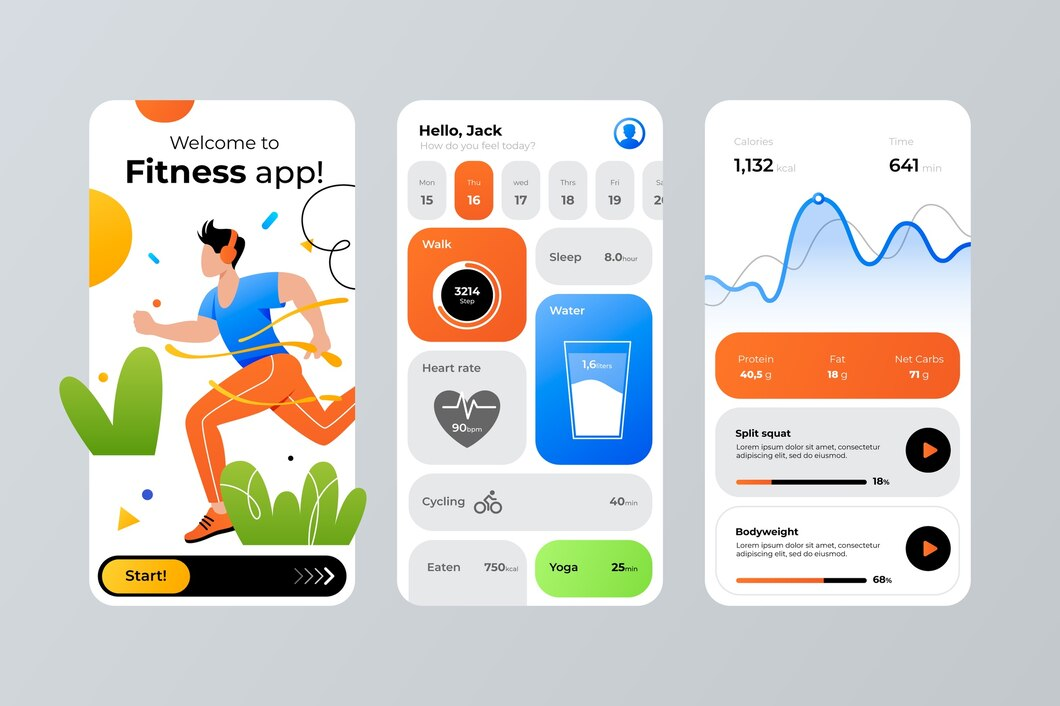
Many of us start our day by checking a sleep score or strapping on a heart rate monitor before a morning yoga session. By doing so, we participate in the “Quantified Self” movement that has completely changed how we approach our health. It gives us a window into our bodies that was once only possible in a lab.
However, as we log our miles and track our macros, we are also building a massive, invisible digital footprint. And true wellness encompasses both physical and digital health.
But what does being mindful of our digital health truly mean?
What Does Your Digital Data Say About You?
Fitness technology and apps have evolved a lot since the days of pedometers. Today, tools, such as fitness wearables, gather a constant flow of biometric information. This data is personal; it includes details about your stress levels, heart, and sleep patterns.
What Is a Data Point Worth?
Today’s apps do much more than just count steps. They measure Heart Rate Variability (HRV), blood oxygen levels, and even know exactly where you are on a map via GPS. You might share routes you take frequently and where you live without realizing how much of your daily life is visible to others. This “bio-digital” footprint is a permanent record of your physical activities and health.
Understanding Where Your Data Travels
When we hear the phrase “digital footprint,” we typically think of our browser history or social media profiles. But the information we store on our fitness apps is also a part of it, perhaps even more so than we realize. Our fitness data is closely related to our everyday experiences, so it’s a goldmine for third parties constantly looking for ways to learn about our habits.
Data Brokers and the Privacy Gap
For many, it’s a surprise to learn that fitness apps share user information with third-party companies, like marketing firms, insurance providers, and data brokers.
While you are building up your VO2 max rates, these programs are sharing demographic data, location, and your physical activity patterns. This creates “linkability,” or the ability to piece together small amounts of data to create a detailed profile of who you are and where you go. As a result, those third-party companies can create targeted ads.
How to Be Mindful of Your Digital Wellness
You don’t have to give up your favorite health apps to stay private. Focus on being intentional with how you use them. Treat your digital data with the same care you give to your nutrition and exercise. If you’re at the gym or a juice bar, avoid connecting to their free public Wi-Fi, or, if you must, use a VPN to keep that connection encrypted and prevent others on the same network from intercepting your information. Additionally, review the app’s privacy settings and limit data syncing to your trusted networks only.
Set boundaries with your wearable technology. Keep the settings that keep you motivated, but make sure you know who and what’s being tracked.
Key Points to Keep Your Digital Footprint Lean and Clean
- Refresh your permissions: Review your phone settings every few months. See which apps have access to your location and motion data. If you don’t use the app daily, it doesn’t need to know your location.
- Go private: Most fitness platforms have social features turned on automatically. Take a moment to switch your profile to “Private” so your running routes aren’t visible to the whole world.
- Close old accounts: If you have moved on to a new watch or a different app, don’t just delete the icon from your screen. Log in one last time to delete your account and request that your data be wiped from their servers.
- Avoid “All-In-One” login: Having a connected login via a social media account may seem convenient, but for data companies, this creates a direct link between your health data and your social life. Instead, use a unique email address.
- Value your privacy: Sometimes, a free app may cost much more in the long run, as your data is the product. Consider paying for a premium version of an app that you trust and that values your data.
Going Forward: How to Be Mindful With Data
As we move into the future, the link between our physical and digital lives will grow stronger. By being aware of our digital footprint and security, we can safeguard our privacy and enjoy the benefits of modern technology.
