
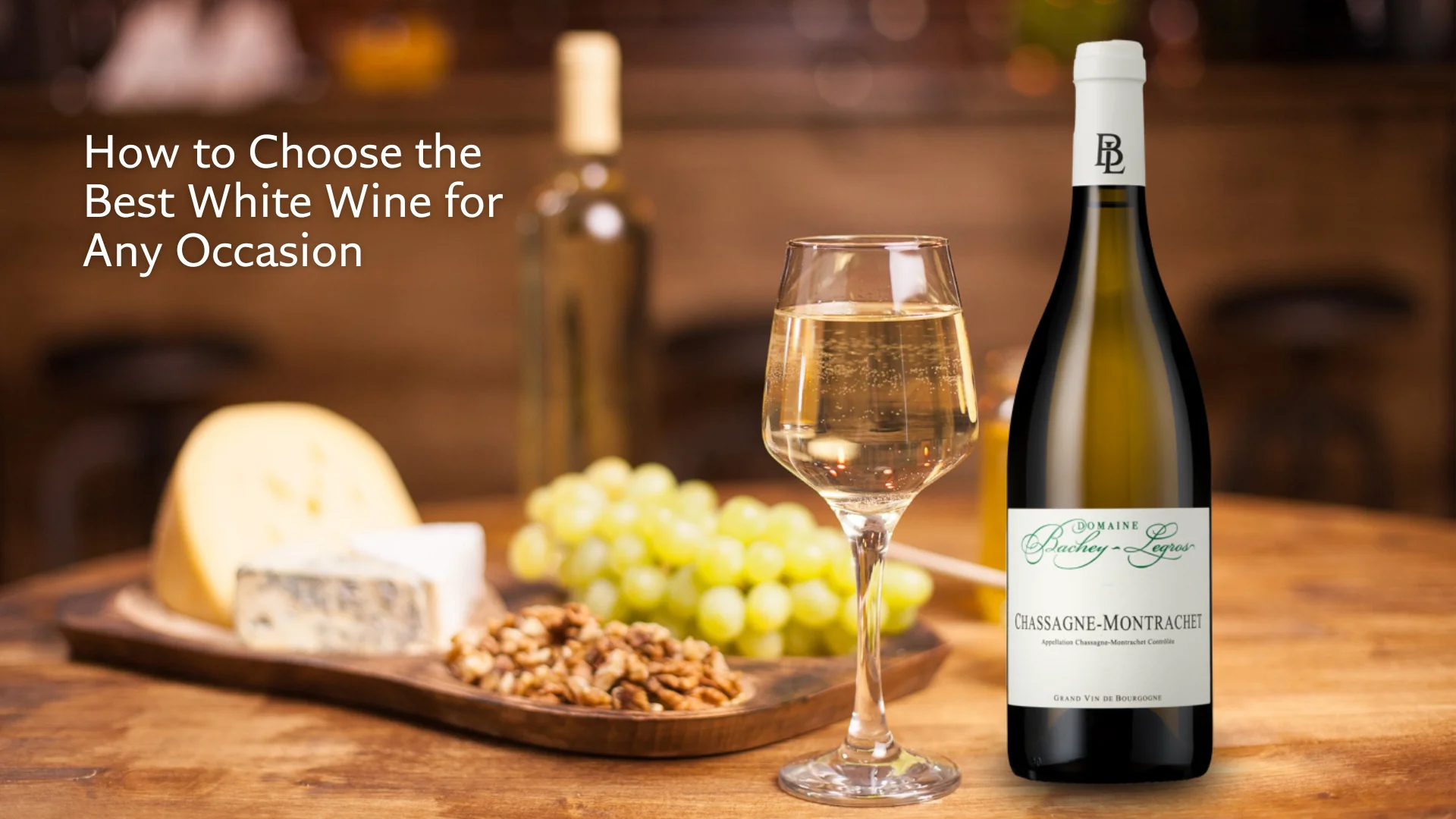
With hundreds of options available across regions, grape varieties, and styles, choosing the right bottle of white wine can sometimes feel like a challenge. A broad collection—like the WineDeals white wine selection offers incredible variety, but knowing how to navigate it efficiently can make your experience far more enjoyable and rewarding.
Start with Grape Variety as Your Guide
One of the easiest ways to simplify your choices is to begin with grape variety. Each grape has a recognizable profile, which helps narrow down your options quickly.
Popular starting points:
- Chardonnay: versatile, ranging from crisp to creamy
- Sauvignon Blanc: fresh, citrusy, and vibrant
- Riesling: aromatic, with varying levels of sweetness
- Pinot Grigio: light, clean, and easy-drinking
Choosing a familiar grape gives you a reliable baseline before exploring further.
Use Price Ranges Strategically
Instead of focusing on a single price point, think of pricing as a way to explore different levels of quality and complexity.
- Lower range: simple, refreshing wines for casual drinking
- Mid range: more balanced and expressive wines
- Higher range: greater depth, structure, and refinement
This approach helps you understand how price influences experience without overcomplicating the decision.
Pay Attention to Region for Style Clues
Even within the same grape, the region can significantly change how a wine tastes.
Examples:
- A Sauvignon Blanc from New Zealand may be sharper and more citrus-driven
- A Chardonnay from California may feel richer and more textured
- A Riesling from Germany may offer a balance of sweetness and acidity
Using region as a filter helps you predict flavor profiles more accurately.
Filter by Occasion Rather Than Just Taste
Sometimes the easiest way to choose a wine is to think about when and how you’ll drink it.
Occasion-based selection:
- Casual evenings: lighter, easy-drinking wines
- Dinner pairings: wines with structure and balance
- Social settings: approachable and crowd-friendly options
This method keeps your selection practical and relevant.
Understand the Role of Vintage
The vintage year can offer subtle hints about what to expect.
- Recent vintages tend to be fresher and more fruit-forward
- Slightly older vintages may show more complexity
While not always critical for white wine, it can still influence your experience.
Use Flavor Preferences to Narrow Down Choices
Instead of focusing on technical terms, think in terms of flavors you enjoy.
Ask yourself:
- Do you prefer citrus or tropical fruit?
- Do you enjoy floral aromas or subtle, clean profiles?
- Do you like crisp acidity or a smoother texture?
Answering these questions helps you quickly eliminate unsuitable options.
Don’t Ignore Lesser-Known Options
While popular grapes are a great starting point, exploring less familiar varieties can be surprisingly rewarding.
- Vermentino offers fresh, herbal notes
- Albariño delivers bright citrus with a slightly salty edge
- Chenin Blanc provides versatility across dry and sweet styles
These wines often offer unique experiences and strong value.
Build Confidence Through Exploration
The more you explore, the easier the process becomes. Instead of aiming for the “perfect” bottle, treat each choice as part of a learning experience.
- Try different regions within the same grape
- Compare similar wines at different price points
- Notice how your preferences evolve over time
This approach removes pressure and makes the process more enjoyable.
Final Thoughts
Navigating a large white wine collection doesn’t have to be complicated. By focusing on grape variety, region, occasion, and personal taste, you can quickly narrow down your options and make confident choices.
Over time, what once felt overwhelming becomes an opportunity to explore, discover, and refine your understanding of white wine—one bottle at a time.
