

A shift is happening in how people define meaningful work
Across California—and much of the U.S.—more people are rethinking what a “good career” really means.
It’s no longer just about salary or job titles. Instead, many are searching for something deeper:
- Work that feels meaningful
- A role where they can help others directly
- A career that doesn’t require years of waiting to begin
At the center of this shift are wellness and recovery careers—fields that are quietly transforming not only patients’ lives, but also the lives of the people who choose these paths.
Why wellness and recovery roles are growing so fast
The demand for healthcare services isn’t new—but what’s changing is how care is delivered.
Today, people are looking beyond traditional medicine. They want:
- Relief from stress and burnout
- Faster recovery after injuries
- More personalized, human-centered care
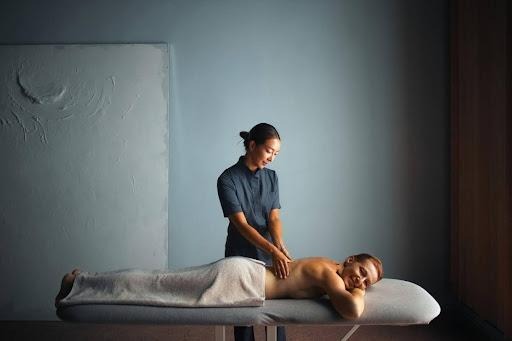
This is where wellness and recovery professionals step in.
From therapeutic touch to physical rehabilitation support, these roles focus on helping people feel better—physically and emotionally—often in ways that patients immediately notice.
And that immediate impact is exactly what draws many professionals into these careers.
The power of human touch in wellness careers
In a world dominated by screens and automation, human connection has become more valuable than ever.
Massage therapy is one of the clearest examples of this shift.
Professionals in this field don’t just “do a job”—they help people:
- Reduce chronic pain
- Manage stress and anxiety
- Improve sleep and overall well-being
For many patients, even a single session can make a noticeable difference.
It’s no surprise that interest in structured, hands-on learning paths like massage therapy classes has grown significantly among individuals looking for more meaningful, people-centered work.
What makes this path unique is not just the skill—but the daily impact on real lives.
Recovery careers: Helping people get back on their feet
On the recovery side, roles that support physical rehabilitation are becoming increasingly essential.
After surgeries, injuries, or chronic conditions, patients often need ongoing support—not just from doctors, but from trained professionals who assist in the recovery process.
This is where physical therapy support roles come in.
These professionals help patients:
- Regain mobility
- Rebuild strength
- Stay motivated throughout recovery
For patients, this support can mean the difference between frustration and progress.

For professionals, it offers something just as valuable:
the ability to see real improvement, day by day.
That’s why programs like a Physical Therapy Aide Training Program have become an attractive path for those who want to be part of the healing process without spending years in traditional education.
More than a job: A sense of purpose
One of the most common themes among people in wellness and recovery careers is simple:
They feel their work matters.
Unlike many traditional roles, where results can feel distant or abstract, these careers offer:
- Immediate feedback
- Human connection
- Visible impact
You’re not just completing tasks—you’re helping someone:
- Move without pain
- Relax after weeks of stress
- Recover from a life-disrupting injury
And that changes how people feel about going to work every day.
Why professionals are making the switch
Many who enter these fields didn’t start there.
They came from:
- Office jobs that felt repetitive
- High-stress roles with little fulfillment
- Careers where they rarely saw the impact of their work
What they found in wellness and recovery careers was different:
✔️ A more active, engaging workday
✔️ Direct interaction with people
✔️ A clearer sense of purpose
For many, it’s not just a career change—it’s a life change.
The balance between flexibility and impact
Another reason these careers are growing is flexibility.
Depending on the path, professionals can work in:
- Clinics
- Wellness centers
- Private practices
- Or even independently
This allows for a lifestyle that many traditional careers don’t offer—while still maintaining meaningful work.
A different kind of career path
Not every meaningful career follows the same road.
For some, it’s about long academic journeys.
For others, it’s about learning practical skills and starting sooner.
Wellness and recovery careers fall into the second category—offering a path that’s:
- Skill-driven
- People-focused
- Impact-oriented
And for a growing number of individuals, that combination is exactly what they’ve been looking for.

Thinking about your next step?
If you’ve been feeling stuck, burned out, or simply ready for something more meaningful, you’re not alone.
Careers in wellness and recovery are proving that:
👉 You don’t have to wait years to start making a difference
👉 You don’t have to choose between income and purpose
👉 And you don’t have to stay in a role that no longer fits your life
Sometimes, the right path is simply the one where your work helps someone else feel better.
FAQs
Are wellness and recovery careers in demand?
Yes. Demand continues to grow due to increased focus on preventive care, stress management, and rehabilitation services.
Do these careers require long-term education?
Many roles in this space can be started through shorter, skill-based training paths.
Who are these careers best suited for?
People who enjoy working directly with others, prefer hands-on environments, and want to see real-world impact.
