
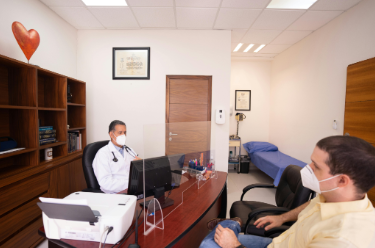
Patients and families may have many pressing issues following a mesothelioma diagnosis. The disease usually manifests after years of asbestos exposure and affects the heart lining, stomach, or lungs. Early discussion with your doctor clarifies matters as it helps you grasp treatment possibilities, predicted results, and daily care needs. Asking the appropriate questions also guides you in making choices that take into account present and future planning. Here are four crucial questions you must ask.
- What Type and Stage of Mesothelioma Do I Have?
The type of treatment is tailored to the type of mesothelioma, so a correct diagnosis is important for correct treatment. Pleural targets the lung’s lining, the peritoneal abdominal lining, and the pericardial heart lining. Your type affects both symptoms and treatment options.
You ought to inquire about the course of the sickness as well. Using staging, doctors determine the degree of bodily metastases of cancer. This directs the likely results and survival expectations. You can better get ready for the following actions and perhaps lessen some uncertainty if your doctor explains it clearly.
- Should I Consult Legal or Financial Specialists?
Financial counselors, patient advocates, or hospital social workers may be referred to you if you ask. Even if it all feels a bit too much to deal with, they will be able to offer advice on medical bills, explore insurance coverage options, and connect you with support schemes that may reduce the financial burden of treatment.
If this was due to work exposure, especially that involving asbestos, seeking legal advice is crucial. A lawyer can help determine whether you are eligible for compensation through lawsuits or asbestos trust funds. If you are a military personnel they will walk you through Mesothelioma Navy Veterans benefits, disability compensation, and healthcare services.
- What Treatment Options Are There for Me?
Depending on the stage of your cancer and your general health status. Treatments can include surgery, chemotherapy, radiotherapy, or immunotherapy. Your doctor will advise what the best option is for your situation.
Other useful advice that should be sought is on side effects and recovery periods, and information pertinent to whichever treatment is used. Side effects that are likely to affect the ability to breathe, energy, and appetite levels mean that one should mentally and physically prepare for these situations.
- How Will Mesothelioma Affect My Daily Life?
Symptoms can affect one’s ability to carry on normal tasks as well as exercise. Asking your doctor what to expect in the future, including common symptoms you need to watch out for, will provide insight into this.
Advice on making lifestyle changes that would enable you to live more comfortably will include things such as diets, pain control, and even breathing therapy. Emotional health will also play a major role in how you cope. Counselors, psychologists, or joining support groups can be helpful. Support from family members, caregivers, and friends will also make daily challenges easier to handle.
Endnote
Mesothelioma is a complex illness that will no doubt spark many difficult questions. Clarity can never hurt, no matter how severe a person’s physical state or their daily challenges. Understanding the available treatments and compensation that you may be entitled to will empower you to make more knowledgeable choices. When you ask the right questions early, you can build a stronger support system and focus more fully on your health and quality of life.
