
Persistent sinus infections, chronic tonsillitis, hearing loss, or difficulty swallowing are more than minor inconveniences. These conditions can significantly affect quality of life, sleep, work performance, and overall wellbeing. When symptoms persist beyond a few weeks or interfere with daily activities, consulting an ear, nose and throat specialist—also called an otolaryngologist or ENT doctor—becomes essential. Understanding what to look for in a specialist and how to prepare for your consultation can make the difference between months of discomfort and effective, targeted treatment.
What ENT Specialists Treat
Otolaryngologists manage conditions affecting the ears, nose, throat, and related structures of the head and neck. This includes chronic ear infections that antibiotics cannot resolve, balance disorders causing dizziness or vertigo, nasal obstruction from deviated septum or polyps, and voice problems affecting teachers, singers, or public speakers. They also diagnose and treat sleep apnoea, perform thyroid surgery, and manage head and neck cancers. Some ENT doctors subspecialise further in areas such as paediatric otolaryngology, rhinology focusing on sinus disease, or otology concentrating on hearing disorders.
Many people delay seeking specialist care, assuming their GP can handle all upper respiratory and ear issues. While primary care doctors manage most acute infections effectively, recurrent or complex problems require the diagnostic tools and surgical expertise that ENT specialists provide. Nasal endoscopy, audiometry, and imaging interpretation are standard components of ENT assessment that help pinpoint the root cause rather than merely treating symptoms repeatedly.
Signs You Need Specialist Care
Certain symptoms warrant direct referral to an ENT specialist. Persistent hoarseness lasting more than three weeks requires evaluation to rule out vocal cord lesions or laryngeal cancer. Recurrent sinus infections—defined as four or more episodes per year—suggest underlying structural problems or chronic sinusitis needing specialised treatment. Sudden hearing loss in one or both ears is a medical emergency requiring immediate specialist assessment, as timely intervention can prevent permanent damage.
Chronic tonsillitis interfering with school or work attendance, obstructive sleep apnoea documented by sleep study, or nosebleeds occurring weekly despite conservative measures all benefit from specialist intervention. Children with recurrent ear infections causing speech delay or those requiring multiple courses of antibiotics should see a paediatric ENT for assessment of adenoid enlargement or need for ventilation tubes.
Evaluating Specialist Qualifications and Experience
ENT training requires completion of medical school followed by five to six years of specialty residency training in otolaryngology-head and neck surgery. Board certification indicates the specialist has passed rigorous examinations demonstrating competence in the field. Many also pursue fellowship training in subspecialties, adding one to two years of focused experience in areas like skull base surgery, facial plastic surgery, or laryngology.
When researching specialists, consider their experience with your specific condition. A doctor performing dozens of sinus surgeries yearly will likely achieve better outcomes than one who does the procedure occasionally. Hospital affiliations matter too—specialists working at teaching hospitals or specialty centres often have access to advanced technology and multidisciplinary teams. Patient reviews provide insight into communication style and office efficiency, though they should be balanced against clinical credentials.
Finding Qualified ENT Care in the UAE
The United Arab Emirates has invested heavily in healthcare infrastructure over the past two decades, attracting internationally trained specialists to hospitals in Dubai and Abu Dhabi. Both expatriates and UAE nationals now have access to ENT care meeting international standards, with many specialists holding qualifications from European, American, or Australian training programmes. Multi-specialty hospitals offer comprehensive diagnostic services under one roof, streamlining the evaluation process when complex conditions require input from multiple specialists.
For residents of Abu Dhabi seeking expert otolaryngology services, Cleveland Clinic Abu Dhabi provides access to comprehensive ENT care within a multi-specialty hospital setting. The facility follows Cleveland Clinic’s evidence-based care model, with specialists managing conditions ranging from chronic sinusitis and hearing disorders to complex head and neck surgery. Whether you’re searching for a good ent doctor near me or need subspecialty consultation for a complex condition, the hospital’s team works with diagnostic imaging, audiology, and surgical services to develop personalised treatment plans addressing the underlying cause rather than just symptoms.
International patients travelling to the UAE for medical treatment should verify their insurance coverage before scheduling procedures. Many comprehensive travel medical policies now include coverage for specialist consultations and planned surgical procedures at network hospitals. Resources like inbound travel insurance for the UAE explain what medical coverage options exist for visitors and how to access quality care while abroad.
Preparing for Your ENT Consultation
Maximising the value of your specialist appointment starts with thorough preparation. Document your symptoms including when they started, what makes them better or worse, and how they affect daily activities. List all medications including over-the-counter drugs and supplements, as many affect ENT conditions. Bring copies of relevant test results—audiograms, CT scans, or previous surgical reports—rather than relying on verbal summaries.
Prepare specific questions about diagnosis, treatment options, expected outcomes, and recovery time. Ask about alternatives to surgery if one is recommended, including success rates and potential complications of each approach. Understanding what to expect helps you make informed decisions aligned with your health goals and lifestyle needs. Most specialists welcome patients who take an active role in their care planning.
What Happens During the Examination
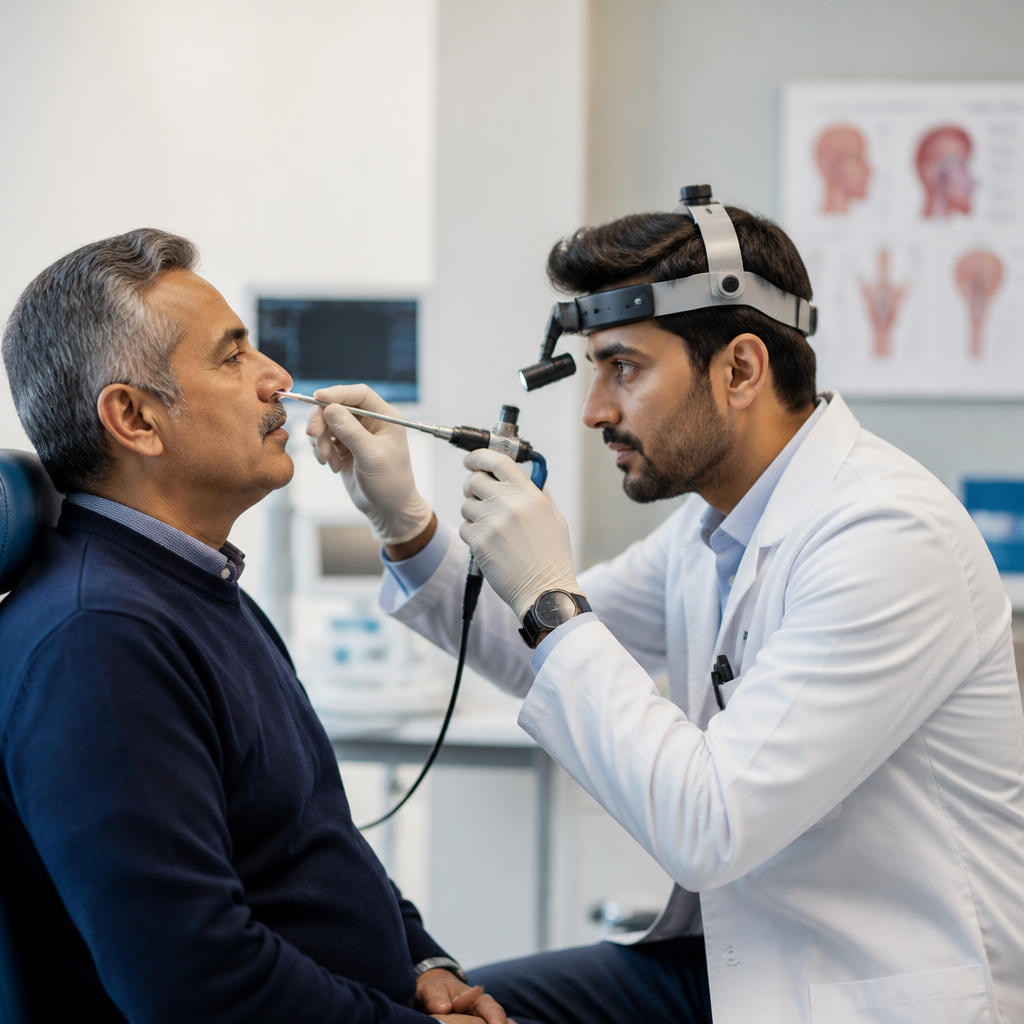
Initial ENT consultations typically last 30 to 45 minutes. The specialist will review your medical history before performing a physical examination of your ears, nose, and throat. This often includes nasal endoscopy—a thin, flexible camera inserted through the nostril to visualise the nasal passages and sinuses in detail. The procedure causes minimal discomfort and provides invaluable diagnostic information. Hearing tests may be ordered if you report hearing loss or tinnitus, while imaging studies help evaluate sinus disease or masses.
Understanding how primary care systems work in other countries can provide useful context for navigating specialist referrals. For instance, learning about visiting a doctor or nurse in New Zealand’s healthcare system illustrates different approaches to medical care delivery and the importance of coordinated care between general practitioners and specialists.
Treatment Options and What to Expect
Modern ENT care emphasises conservative management before surgery whenever appropriate. Chronic sinusitis often responds to prolonged courses of antibiotics, nasal steroid sprays, and saline irrigation. Allergy testing and immunotherapy may address underlying triggers. Surgery becomes necessary when medical management fails or structural problems like septal deviation prevent medication from reaching diseased tissue.
Minimally invasive techniques have transformed ENT surgery over the past decade. Functional endoscopic sinus surgery uses tiny cameras and instruments inserted through the nostrils, eliminating external incisions and reducing recovery time to one to two weeks for most patients. Balloon sinuplasty dilates blocked sinus openings without removing tissue, offering even faster recovery for selected cases. Discuss which approach suits your anatomy and disease severity rather than assuming newer techniques are always superior.
Making the Right Choice for Long-term Health
Choosing an ENT specialist involves balancing clinical expertise, communication style, and practical considerations like location and insurance coverage. The best specialist combines technical skill with the ability to explain complex conditions in understandable terms and involve you in treatment decisions. Trust your instincts—if a doctor dismisses your concerns or rushes through the consultation, seek a second opinion. Chronic ENT conditions significantly impact quality of life, and you deserve a specialist who takes your symptoms seriously and works collaboratively toward solutions.
Early specialist consultation prevents minor problems from becoming chronic conditions requiring more invasive treatment. Whether dealing with persistent sinus pressure, hearing loss affecting work performance, or throat symptoms causing concern, connecting with a qualified otolaryngologist provides the diagnostic clarity and treatment expertise needed for optimal outcomes. Taking that first step toward specialist care often marks the turning point between enduring symptoms and reclaiming full health.
