
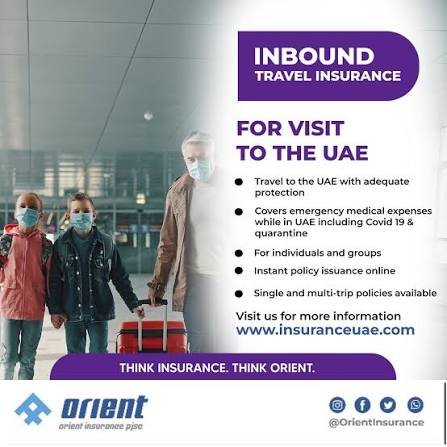
Introduction
The UAE is one of the world’s busiest travel hubs welcoming tourists, business travellers, family visitors, and transit passengers every day. But while the country offers world‑class healthcare, it is also expensive for non‑residents.
That’s why inbound travel insurance is so important. For many visitors, basic health cover is mandatory, but even when it’s not, having proper travel insurance in UAE can be the difference between a manageable emergency and a serious financial shock.
This guide explains what inbound travel insurance should really do for you: from emergency medical care and repatriation to access to UAE private hospital networks and cashless billing.
Mandatory Inbound Health Insurance Rules in the UAE
Health insurance rules in the UAE vary by:
- Emirate (e.g., Dubai or Abu Dhabi)
- Visa type (tourist, visit visa, long‑term stay, etc.)
- Nationality and how you enter (visa on arrival vs pre‑arranged visa)
In general, you should expect many visitors are required to have health insurance that covers them during their stay in the UAE. Airlines, visa centres, or immigration systems may ask for proof of insurance before travel or at entry. Even if not strictly enforced in every case, travelling without inbound travel insurance is extremely risky given high private healthcare costs.
In short: whether it’s legally mandatory in your specific case or not, coming to the UAE without travel insurance is never a good idea.
Core Protection Pillar 1: Inpatient & Outpatient Emergency Medical Care
The first and most important role of inbound travel insurance is to protect you if you fall ill or suffer an accident while in the UAE.
A good policy should cover the following things:
1. Emergency Outpatient Care includes:
- Visits to emergency rooms and clinics
- Doctor consultations
- Diagnostic tests (x‑rays, scans, lab work)
- Prescription medication for acute conditions
2. Inpatient Hospitalisation includes:
- Room and board in hospital
- Surgery and operating theatre fees
- Intensive care unit (ICU), if needed
- Specialist consultations while admitted
3. Clear Limits and Sub-Limits
Check the overall medical coverage limit (ideally high enough for serious emergencies), any sub-limits per visit, per day, or per condition and whether co‑payments or deductibles apply
Because medical expenses in the UAE’s private sector can escalate quickly, this part of travel insurance UAE is what truly protects your finances during a crisis.
Core Protection Pillar 2: Medical Repatriation & Evacuation
If a visitor suffers a serious illness or injury, sometimes the best or most appropriate care is back in their home country or specialised treatment elsewhere. This is where medical evacuation and repatriation benefits come in.
Your inbound travel insurance should cover the following instances:
1. Emergency Medical Evacuation
Transport from one medical facility to another, if local treatment is inadequate. Medically supervised transport (e.g., air ambulance, stretcher services) when required
2. Repatriation to Home Country
Arranging and paying for medically approved transport back home once the patient is fit to travel. In worst‑case scenarios, cover for repatriation of mortal remains to the home country
3. Coordination and Assistance
Look for a policy that includes 24/7 assistance services to coordinate with hospitals, doctors, and airlines, handle logistics and approvals for evacuation and communicate with family members
This pillar ensures that in a serious emergency, you are not stranded or forced to manage complex medical travel arrangements alone.
Core Protection Pillar 3: UAE Private Hospital Networks & Cashless Billing
One of the biggest practical advantages of a good inbound travel insurance plan is access to strong hospital networks and cashless treatment.
1. Access to Quality Private Healthcare – A strong policy will have a contracted network of private hospitals, specialist clinics, day surgery centres and diagnostic centres
This means you know where to go in an emergency and the hospital is familiar with your insurer and process
2. Cashless Billing (Direct Settlement) – With cashless or direct billing the hospital bills the insurer directly for covered services. Here you minimise large upfront payments, especially in emergencies. Additionally, you may only pay any applicable co‑pay or excess, if stated in your policy
3. Out-of-Network Treatment
If you go to a non‑network facility you may need to pay first and claim later, with reimbursement according to policy limits. It’s best to contact the insurer or assistance line to identify an appropriate in‑network provider whenever possible.
For visitors, this pillar is critical: it reduces stress, speeds up access to care, and helps avoid sudden large payments in a crisis.
Secondary Travel Protection Features (Non‑Medical Perks)
While medical and repatriation cover are the core reasons to buy inbound travel insurance, many plans also include extra travel protections, such as:
1. Personal Accident Benefits
Lump‑sum payment in case of accidental death or permanent disability, up to policy limits.
2. Trip Cancellation or Curtailment (on Some Plans)
Cover if you must cancel your trip before arrival or cut it short due to a covered event e.g., serious illness or family emergency.
3. Loss of Baggage or Personal Belongings
Compensation for lost, stolen, or damaged luggage, up to specified limits.
4. Loss of Passport or Travel Documents
Assistance and sometimes reimbursement of costs to replace essential documents.
5. Flight Delay or Missed Connection (if included)
Fixed benefits or reimbursements for additional meals, accommodation, or rebooking.
These may not be as critical as medical cover, but they can smooth out many of the common frustrations of international travel.
How to Buy Inbound Travel Insurance for UAE Visitors
Arranging inbound travel insurance for a UAE visit is usually straightforward. Here’s how to approach it wisely:
1. Confirm Visa and Entry Requirements
Check whether your specific visa type or entry route requires minimum medical coverage. Ensure your policy meets any official conditions such as coverage amounts, validity dates, etc.
2. Choose the Right Coverage Duration
Start the policy from the day you leave your home country or the day you enter the UAE which is depending on the product. Make sure it runs until your planned departure from the UAE, including late‑night or early‑morning flights.
3. Review Coverage Limits and Hospital Network
Compare medical coverage limits and repatriation benefits. Check the list of network hospitals and clinics in the emirate(s) you’ll visit most such as Dubai, Abu Dhabi, Sharjah, etc.
4. Check for Age Limits and Health Declarations
Some policies have maximum age limits or special conditions for older travellers. If pre-existing conditions are mentioned, read carefully what is and isn’t covered.
5. Buy from a Reputable Provider
You can typically purchase inbound travel insurance through online booking platforms, one of which being InsuranceMarket.ae helping customer compare various travel insurance plans and find the best rate, or local UAE insurers and bancassurance partners, and international travel insurance providers covering the UAE
6. Keep Policy Documents Handy
Save digital copies of your policy, emergency contact numbers, and coverage details on your phone. Share basic information with a family member or travel companion in case you are unable to speak for yourself in an emergency.
Conclusion: Ensure Complete Protection Before Arrival
The UAE offers outstanding healthcare and world‑class infrastructure—but for visitors, that quality comes at a cost. Inbound travel insurance is not just a box to tick for visa rules; it’s a vital safety net for:
- Emergency inpatient and outpatient medical treatment
- Medical evacuation and repatriation when needed
- Smooth access to UAE private hospitals through strong networks and cashless billing
Add to this the bonus of non‑medical travel protections, and travel insurance UAE becomes one of the most important parts of any visit, whether you’re coming for a short holiday, a business trip, or to see family.
Before you fly, take a few minutes to choose a solid inbound policy that fits your stay. Arrive in the UAE with confidence knowing that if the unexpected happens, you and your finances are protected.
