
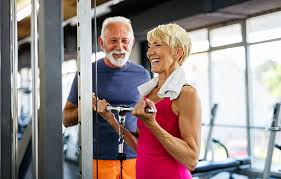
As we age, maintaining good health becomes more important than ever. Many people assume that slowing down is a natural part of getting older, but research shows that regular physical activity can help you stay strong, energetic, and independent for years to come.
Whether you’re in your 50s, 60s, 70s, or beyond, the right combination of strength and endurance training can improve heart health, support healthy aging, and enhance your overall quality of life. The best part? It’s never too late to start.
Why Is Physical Activity Especially Important in Old Age?
Aging naturally brings changes to the body. Muscle mass decreases, bones become weaker, metabolism slows down, and the risk of chronic diseases increases. Without regular movement, these changes can accelerate and affect daily life.
Exercise acts as a powerful tool to combat age-related decline. It helps maintain mobility, balance, flexibility, and cardiovascular health while reducing the risk of conditions such as heart disease, type 2 diabetes, obesity, and osteoporosis.
Regular physical activity can also improve mood, reduce stress, support cognitive function, and lower the risk of depression. In fact, many experts consider exercise one of the most effective strategies for healthy aging and longevity.
Strength Training and Its Effect on Heart Health
When people think about heart health, they often focus on walking, jogging, or cycling. However, strength training also plays a vital role in maintaining a healthy cardiovascular system.
Strength training involves working your muscles against resistance, such as weights, resistance bands, or even your own body weight. Over time, this helps increase muscle mass and improve physical strength.
Recent studies suggest that strength training can:
- Lower blood pressure
- Improve cholesterol levels
- Enhance circulation
- Reduce body fat
- Improve insulin sensitivity
- Support overall cardiovascular health
Stronger muscles also make everyday activities easier, reducing physical strain on the heart during routine tasks.
Simple strength exercises for seniors include:
- Bodyweight squats
- Wall push-ups
- Resistance band exercises
- Light dumbbell workouts
- Chair stands
Even two to three sessions per week can produce noticeable health benefits.
The Additional Benefits of Strength Training in Old Age
Beyond heart health, strength training offers numerous advantages that become increasingly important with age.
Preserves Muscle Mass
Adults naturally lose muscle as they get older, a condition known as sarcopenia. Strength training helps slow or reverse this process, allowing older adults to remain active and independent.
Supports Bone Health
Weight-bearing exercises stimulate bone growth and help maintain bone density, reducing the risk of fractures and osteoporosis.
Improves Balance and Stability
Strong muscles improve coordination and balance, lowering the likelihood of falls, which are a major health concern among older adults.
Boosts Metabolism
Muscle tissue burns more calories than fat tissue. Maintaining muscle mass helps support a healthier metabolism and weight management.
Enhances Daily Function
Tasks such as carrying groceries, climbing stairs, and getting out of a chair become easier with greater strength and mobility.
Endurance Training and Its Effect on Cellular Aging
Endurance training, also known as aerobic exercise, includes activities that increase your heart rate and breathing for an extended period.
Popular examples include:
- Walking
- Swimming
- Cycling
- Dancing
- Jogging
- Hiking
These activities strengthen the heart and lungs while improving oxygen delivery throughout the body.
What makes endurance training particularly interesting is its connection to cellular aging. Scientists have found that regular aerobic exercise may help protect telomeres—the protective caps at the ends of chromosomes associated with aging.
Longer and healthier telomeres are linked to:
- Increased longevity
- Better cardiovascular health
- Improved immune function
- Reduced risk of age-related diseases
Aerobic exercise also supports mitochondrial health, helping cells produce energy more efficiently as we age.
Can Exercise Reverse Biological Aging? What the Latest Research Shows
One of the most fascinating discoveries in modern health science is that exercise may influence biological age.
While chronological age measures the number of years you’ve lived, biological age reflects how well your body functions internally.
Research indicates that regular physical activity can positively affect several markers of biological aging by:
- Reducing chronic inflammation
- Improving cardiovascular function
- Enhancing cellular repair mechanisms
- Supporting healthy hormone balance
- Increasing mitochondrial efficiency
Many experts now believe that exercise is one of the most powerful natural anti-aging tools available.
Although exercise cannot stop aging completely, it can significantly slow the aging process and help individuals maintain vitality, mobility, and independence well into later life.
So Which Is Better – Strength or Endurance?
This is one of the most common questions people ask when planning an exercise routine.
The truth is that both forms of exercise offer unique benefits.
Strength Training Benefits
- Builds muscle mass
- Increases bone density
- Improves balance
- Supports metabolism
- Enhances physical independence
Endurance Training Benefits
- Improves heart health
- Increases stamina
- Supports weight management
- Enhances lung function
- Promotes cellular health
Instead of choosing one over the other, experts recommend combining both for optimal results.
A balanced fitness program that includes resistance exercises and aerobic activity provides the greatest protection against age-related decline.
How Much Exercise Do You Really Need?
Many older adults assume they need to spend hours in the gym to see results. Fortunately, that’s not the case.
Health experts generally recommend:
Aerobic Activity
At least 150 minutes of moderate-intensity aerobic exercise per week.
Examples include:
- Brisk walking
- Cycling
- Swimming
- Gardening
Strength Training
At least two sessions per week targeting major muscle groups.
Flexibility and Balance Training
Activities such as stretching, yoga, or tai chi can further improve mobility and reduce fall risk.
Remember, consistency matters more than intensity. Small amounts of regular activity can produce substantial long-term benefits.
How Do You Get Started Safely and Simply?
Starting a fitness routine later in life doesn’t have to be complicated.
Here are a few practical tips:
Start Slowly
Begin with short sessions and gradually increase duration and intensity over time.
Choose Activities You Enjoy
Walking with friends, swimming, dancing, or gardening can make exercise feel less like a chore.
Listen to Your Body
Some muscle soreness is normal, but persistent pain should never be ignored.
Focus on Proper Form
Correct technique helps prevent injuries and maximizes results.
Consult a Healthcare Professional
Individuals with existing medical conditions should seek professional guidance before starting a new exercise program.
Stay Consistent
Long-term consistency delivers better results than occasional intense workouts.
Summary: Movement Is an Investment in the Future
Growing older doesn’t mean becoming weaker or less active. In fact, regular exercise remains one of the most effective ways to protect your health, maintain independence, and improve quality of life.
Strength training helps preserve muscle, support bone health, and improve physical function, while endurance training strengthens the heart, boosts stamina, and promotes healthy aging at the cellular level.
The most effective approach combines both forms of exercise into a balanced routine. Whether you’re just beginning your fitness journey or looking to stay active after retirement, every step, lift, and movement contributes to a healthier future.
Your body is designed to move. The sooner you start, the more benefits you’ll enjoy for years to come.
