
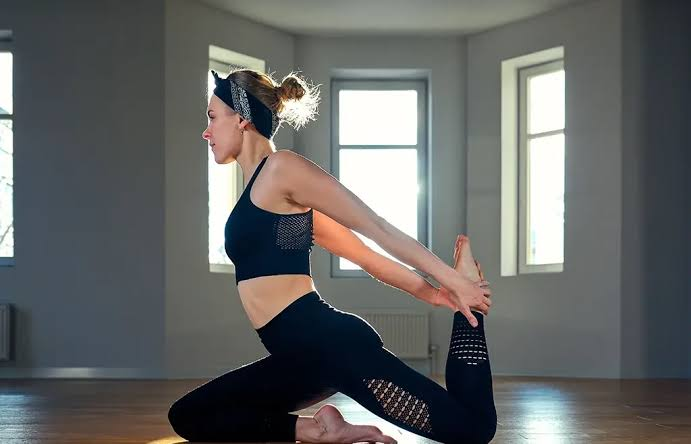
Modern lifestyles often involve busy schedules, irregular sleep patterns, prolonged screen time, and increasing daily stress. These habits can make it difficult to maintain a consistent wellness routine, encouraging many people to look for movement practices that are calming, adaptable, and easy to continue. Yoga is frequently chosen because it combines mindful movement with breathing awareness while fitting comfortably into different daily schedules.
Many individuals include daily yoga for hormonal balance as part of their self-care routine, while others practice yoga in the evening to create a more relaxing transition before bedtime. Rather than focusing on difficult postures, these routines encourage gentle movement and regular practice that can easily become part of everyday life.
Which Yoga Asanas Are Commonly Practiced for Hormonal Balance
Many yoga routines designed for women’s wellness include postures that encourage gentle stretching, mindful breathing, and relaxed movement. Instead of practicing numerous poses in one session, many people begin with a few familiar asanas that feel comfortable and are easy to repeat consistently.
Commonly practiced asanas include:
- Butterfly Pose to open the hips while encouraging relaxed breathing gently.
- Bridge Pose to stretch the front of the body and improve overall body awareness.
- Cat-Cow Pose to introduce smooth spinal movement and coordinated breathing.
- Child’s Pose to encourage relaxation between more active postures.
- Legs-Up-the-Wall Pose as a calming pose often included at the end of practice.
A guided yoga routine for hormonal balance often feels easier to maintain when it focuses on a small set of familiar postures rather than constantly introducing new ones. Practicing regularly at a comfortable pace helps build confidence while making yoga a sustainable part of everyday wellness.
Which Yoga Asanas Can Help You Prepare for Better Sleep
An evening yoga routine usually focuses on slowing the body and mind rather than increasing energy levels. Gentle postures combined with steady breathing can help create a peaceful transition between the activities of the day and bedtime. Many people prefer shorter evening sessions that feel relaxing instead of physically demanding.
Yoga poses commonly included before bedtime are:
- Child’s Pose to encourage relaxation after a busy day.
- Supine Twist for gentle spinal mobility and comfortable stretching.
- Legs-Up-the-Wall Pose to unwind after long hours of standing or sitting.
- Corpse Pose to finish the session with complete relaxation.
- slow breathing for a few minutes before ending the practice.
An evening yoga for sleep routine becomes easier to follow when it remains simple and calming. Repeating familiar postures every night often helps create a relaxing ritual that fits naturally into a consistent bedtime routine.
What Daily Habits Can Complement Yoga for Hormonal Balance and Better Sleep
Yoga becomes more effective when it is supported by simple lifestyle habits that encourage consistency. Rather than depending on one practice alone, creating a balanced routine throughout the day makes it easier to continue yoga without feeling overwhelmed.
Simple habits that work well alongside yoga include:
- practicing at the same time each day to build a consistent routine
- limiting screen time at least 30–60 minutes before bedtime
- maintaining regular meal timings instead of skipping meals
- creating a quiet, clutter-free space for practice
- avoiding caffeine or heavy meals close to bedtime whenever possible
These small lifestyle changes naturally complement daily yoga for hormonal balance and evening yoga for sleep. When daily habits and yoga routines work together, it becomes much easier to stay consistent and make wellness practices a regular part of everyday life.
How Can You Make Your Yoga Practice More Relaxing and Consistent
Many people start yoga with enthusiasm but gradually lose consistency because they try to do too much too soon. Keeping the routine simple and comfortable often makes it easier to return to the mat every day without feeling pressured.
A few practical tips can help:
- begin with 15–20 minutes instead of planning long sessions
- focus on smooth breathing rather than perfecting every posture
- wear comfortable clothing that allows unrestricted movement
- avoid comparing your flexibility or progress with others
- finish every session with a few quiet minutes of relaxation
A guided yoga for hormonal balance routine feels more sustainable when practiced patiently and according to individual comfort. Similarly, an evening yoga for sleep routine becomes easier to maintain when it is calming, realistic, and enjoyable enough to become part of a nightly ritual.
How Can Simple Yoga Habits Become Part of Everyday Life
Creating a lasting yoga routine is less about practicing for hours and more about showing up consistently. Small, realistic sessions are often easier to continue than ambitious plans that become difficult to maintain.
Over time, regular practice naturally becomes part of everyday life. By keeping yoga simple, comfortable, and enjoyable, individuals can build a routine that supports long-term wellness while fitting comfortably into even the busiest schedules.
