
Renovating a home brings numerous choices, from selecting color palettes to deciding on the right materials. Among the many flooring options available, limestone stands out for its natural beauty and durability. This comprehensive guide will explore the characteristics of Limestone Flooring, how to choose the right type for your home renovation, maintenance tips, and design ideas to inspire your next project. Whether you are updating a single room or overhauling your entire house, understanding the benefits and requirements of Limestone Flooring can help you make an informed decision.
Limestone Flooring Overview and Characteristics
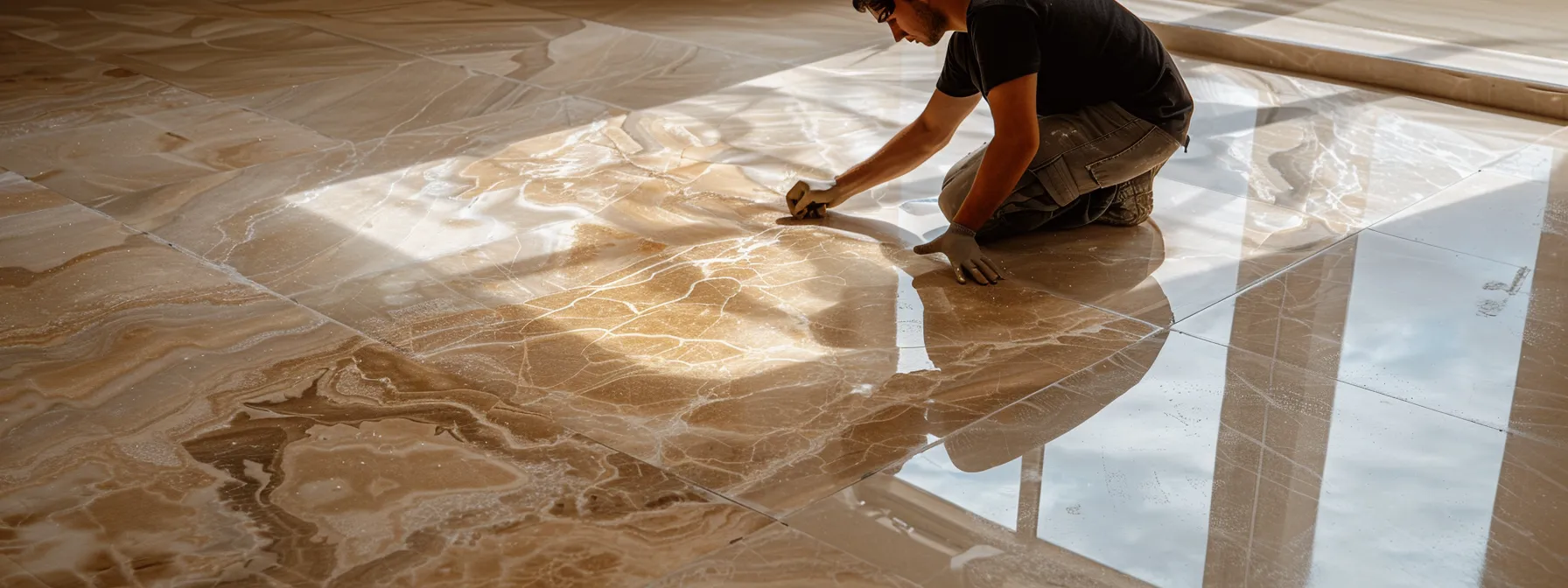
Limestone Flooring is revered for its natural elegance and durability. This sedimentary rock is formed over millions of years, resulting in a unique texture and appearance that cannot be replicated by man-made materials. Limestone is available in a variety of shades and patterns, allowing it to blend seamlessly into different design styles. When considering limestone for your home, it’s important to note that it is a porous material, meaning it can absorb moisture if not properly sealed. The American National Standards Institute (ANSI) compliance for flooring materials ensures that limestone meets specific quality and safety benchmarks, which is crucial for homeowners seeking reliable and long-lasting Limestone Flooring solutions.
Choosing Limestone for Home Renovation Projects
When selecting limestone for your home renovation, it’s essential to consider factors such as room usage, climate, and aesthetic preferences. Limestone is a versatile material that can be used in various settings, from kitchens to bathrooms. However, due to its porous nature, it may require sealing in areas prone to moisture. When compared to other materials like Luxury Vinyl Tile (LVT), limestone offers a more natural and authentic look, which can significantly enhance the overall ambiance of your space. According to recent industry insights, natural stone flooring is becoming increasingly popular in modern interior design due to its timeless appeal.
Furthermore, it is crucial to integrate Limestone Flooring into your home’s existing design framework. Using tools like CAD (Computer-Aided Design) can help visualize how limestone will fit into your space, ensuring a cohesive and aesthetically pleasing result. For those looking to make a sustainable choice, limestone is an eco-friendly option as it is a natural material with a lower carbon footprint compared to synthetic alternatives.
Maintenance and Care for Limestone Flooring
Proper maintenance of Limestone Flooring is essential to preserve its appearance and longevity. Regular cleaning with a pH-neutral cleaner is recommended to avoid damaging the stone’s surface. Additionally, sealing limestone periodically can protect it from stains and scratches, especially in high-traffic areas. A well-maintained limestone floor not only looks beautiful but also increases the overall value of your home. According to a Better Homes & Gardens guide, sealing your Limestone Flooring annually can significantly extend its lifespan and maintain its natural luster.
Homeowners should also be aware of the potential for wear and tear. Creating a “punch list” of maintenance tasks can help ensure that all necessary upkeep is managed efficiently. This list might include periodic inspections for chips or cracks, which can be addressed with professional repairs if needed. Additionally, using protective pads under furniture and placing rugs in high-traffic areas can help minimize wear.
Design Ideas and Inspirations with Limestone
Limestone Flooring offers endless possibilities for design inspiration. Its natural tones and textures make it a perfect choice for creating a warm and inviting atmosphere in any room. For a cohesive look, consider how limestone can complement other design elements, such as millwork and FF&E (Furniture, Fixtures, and Equipment). Limestone’s versatility allows it to work well with both traditional and contemporary styles, offering homeowners the flexibility to achieve their desired aesthetic.
Incorporating limestone into your design can be as simple as choosing the right palette selection to enhance the stone’s natural beauty. For instance, pairing limestone with soft, neutral tones can create a serene and calming environment, ideal for spaces like bathrooms or bedrooms. Alternatively, using limestone in a bold vignette can make a striking statement in an entryway or living room. The key lies in balancing the texture and color of the limestone with the overall design scheme of your home.
Conclusion
Limestone Flooring is a versatile and durable option for any home renovation project. Its natural beauty and wide range of design possibilities make it a standout choice for homeowners looking to enhance their living spaces. By understanding the characteristics, maintenance requirements, and design potential of limestone, you can confidently incorporate this elegant material into your home improvement plans. With proper care, Limestone Flooring can provide a timeless and sophisticated foundation for your home for years to come.
