
You book a dental visit because something feels off, or because you know you have put it off longer than you meant to. Maybe your gums bleed when you brush. Maybe a tooth feels sensitive, or maybe nothing hurts and that almost makes it easier to delay. A lot of people expect a quick look, a cleaning, and a few polite reminders to floss. A real oral health assessment goes further, and that is a good thing. If you are also thinking about straightening your teeth, an Invisalign provider Arlington, VA can discuss options as part of your overall dental care.
The point is not to make the visit feel bigger than it needs to be. The point is to catch small problems before they turn into pain, cost, and stress. What a comprehensive oral health assessment really involves is a close look at your teeth, gums, bite, soft tissues, risk factors, habits, and health history so your general dentist can see the full picture instead of treating one symptom at a time.
An oral health evaluation looks beyond cavities
A routine dental exam is not just a search for holes in teeth. Your dentist is checking for decay, gum disease, worn enamel, cracked fillings, bite problems, dry mouth, jaw tension, and changes in the cheeks, tongue, lips, and roof of the mouth. If you clench at night, breathe through your mouth, sip sugary drinks all day, or take medicines that reduce saliva, those details matter because they change your risk.
This is where many people feel caught off guard. You may go in for one sore tooth and hear about inflamed gums, old restorations, early enamel wear, or plaque buildup in areas you cannot see well at home. That can feel like bad news piling up. Usually, it is simply the first time someone has connected the dots clearly.
A strong assessment also includes your medical history. Conditions like diabetes, immune issues, and acid reflux can affect your mouth. Oral health also affects the rest of the body. The CDC has highlighted the link between oral care and broader health concerns, including pneumonia risk in healthcare settings, in its oral health and pneumonia prevention guidance. Your mouth is not separate from the rest of you, and your exam should reflect that.
A full dental assessment helps prevent bigger treatment later
When an exam is rushed, you get short term relief and long term uncertainty. A small cavity may stay hidden between teeth. Early gum disease may not hurt yet. A rough edge on a filling may keep irritating your tongue. A bite that is slightly off can slowly lead to chipping, headaches, or jaw soreness. These are the kinds of issues a complete dental exam is meant to catch.
Risk matters as much as what is visible that day. Two people can have the same tiny spot of decay and need different plans. One may have low risk and strong home care, so the area can be watched. Another may have dry mouth, frequent snacking, and a history of fast moving decay, so waiting could mean a much bigger repair in a few months. The American Academy of Pediatric Dentistry explains this clearly in its caries risk assessment recommendations, and the same logic matters across age groups.
That is why a good dentist does not just say, “You have a cavity.” They explain why it likely formed, how quickly it may progress, and what changes lower the chance of new problems. That is the part people often miss when they think of a dental check as a simple screening.
What happens during a general dentist assessment
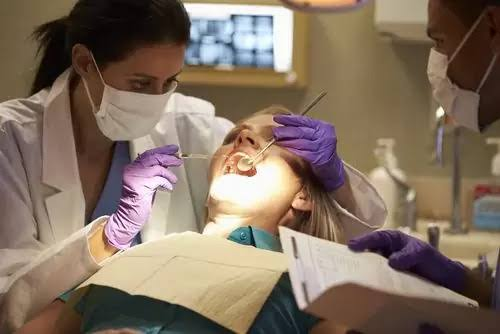
A oral health assessment usually starts with your health history and your concerns. Then comes the clinical exam. Your dentist checks each tooth, existing fillings or crowns, gum health, plaque buildup, recession, bone support, and signs of grinding or clenching. They also look at your tongue, cheeks, palate, and throat area for unusual changes. X rays may be taken if needed to detect decay between teeth, bone loss, infection, or hidden damage that the eye alone cannot catch.
You may also have measurements around the gums, photos, or notes about bite alignment and jaw function. If you have bad breath, sensitivity, repeated cavities, mouth sores, or loose teeth, those symptoms guide the next steps. This is less about creating a long list and more about building a treatment plan that fits your actual needs.
Research from the National Institute of Dental and Craniofacial Research shows in its Oral Health in America report that oral disease still affects many people across the country, often with uneven impact tied to access, income, age, and health status. That matters because delay is common, and delay tends to make treatment harder and more expensive.
Home checks and professional exams do not offer the same protection
| What You Notice at Home | What a Professional Assessment Can Find | Likely Outcome |
| Visible stain or food stuck near gums | Tartar below the gumline, early gum inflammation | Cleaning and home care changes may stop progression |
| No pain, no obvious problem | Decay between teeth, cracked filling, early bone loss on X rays | Early treatment is often smaller and less costly |
| Occasional sensitivity to cold | Worn enamel, recession, cavity, bite stress, or crack | Cause can be treated instead of just avoided |
| Bad breath that keeps returning | Gum disease, dry mouth, infection, trapped debris, failing dental work | Targeted care improves comfort and confidence |
Small steps after a dental exam can change your next visit
Track what you feel between visits. Write down when sensitivity happens, where food gets trapped, whether your gums bleed, and if you wake with jaw tension. Specific details help your dentist find patterns faster.
Bring your health changes and medicine list. New prescriptions, pregnancy, diabetes changes, cancer treatment, and even over the counter products can affect saliva, healing, and cavity risk. A general dentist can only assess what they know.
Ask for your risk level, not just your diagnosis. If you hear that a filling is needed or your gums are inflamed, ask what is driving it. Dry mouth, grinding, diet, brushing technique, and missed cleanings all call for different fixes.
The right exam gives you clarity, not pressure
If you have been worried that a dental visit will bring judgment or a flood of problems, that fear makes sense. Most people are not avoiding care because they do not care. They are busy, uneasy, or trying to avoid cost until they have to face it. A careful oral health assessment gives you something better than guesswork. It shows what is happening now, what can wait, and what needs attention before it grows.
Seeing a general dentist for a full evaluation can help you protect your teeth, your gums, and your overall health with fewer surprises later. If you have been putting it off, this is a good time to schedule that visit and get clear answers.
