
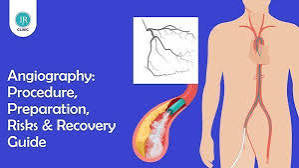
A coronary angiogram is a specialised imaging procedure used to examine the coronary arteries, which supply blood to the heart muscle. It can help doctors identify narrowing or blockages in these blood vessels and assess blood flow through the coronary arteries.
If your doctor has recommended this diagnostic test, knowing what happens before, during and after the procedure can make the experience easier to understand and help you prepare.
What is a coronary angiogram?
A coronary angiogram uses X-ray imaging and a contrast material to visualise the coronary arteries. During the procedure, a thin tube called a catheter is guided through a blood vessel towards the heart. The catheter is usually introduced through an artery in the wrist or groin.
Contrast material is then injected through the catheter, allowing the coronary arteries to be seen clearly on X-ray images. The procedure is generally performed in a specialised cardiac catheterisation laboratory.
Why is a coronary angiogram recommended?
A doctor may recommend coronary angiography when they suspect coronary artery disease or need more detailed information about the heart’s blood vessels.
It may be considered for people with:
- Persistent or concerning chest discomfort
- Abnormal findings on other cardiac tests
- Suspected significant coronary artery disease
- A need for evaluation before certain cardiac procedures
- Known coronary artery disease requiring further assessment
The decision to perform the procedure depends on the individual’s symptoms, medical history, previous investigations and overall clinical assessment.
What happens during the procedure?
Before a coronary angiogram, the medical team reviews the patient’s medical history, current medicines, allergies and relevant test results. The patient may also receive instructions about eating, drinking and taking certain medications before the procedure.
The access site is cleaned and prepared, and local anaesthesia is generally administered. The catheter is then carefully guided through the blood vessel towards the heart.
Once it reaches the appropriate position, the cardiologist injects contrast material. X-ray images are taken as the contrast passes through the coronary arteries.
The cardiologist evaluates these images to identify areas of narrowing or blockage and assess the extent of coronary artery disease.
What happens after a coronary angiogram?
After the procedure, the patient is monitored for a period of time. The catheter access site is checked for bleeding, swelling or other complications.
The next step depends on the angiogram findings and the patient’s overall condition. The doctor may recommend medicines, lifestyle changes, additional investigations, angioplasty, bypass surgery or continued monitoring.
In some situations, an intervention may be performed during the same catheterisation session if it has been planned and is considered appropriate based on the findings.
Is a coronary angiogram the same as angioplasty?
No. A coronary angiogram is primarily a diagnostic procedure that enables doctors to see the coronary arteries.
Angioplasty is a treatment procedure used to open certain narrowed or blocked coronary arteries. It may involve balloon dilation and, when appropriate, stent placement.
Therefore, the angiogram can provide important information that helps doctors decide whether further treatment, such as angioplasty or bypass surgery, may be appropriate.
Patients looking for a coronary angiogram in Bangalore should choose a facility equipped to provide appropriate cardiac diagnostics and specialist evaluation.
A multispeciality hospital in Bangalore can also help patients with cardiovascular disease who have other medical conditions requiring coordinated care.
Sparsh Hospital provides cardiac diagnostic and treatment services supported by specialist teams. A coronary angiogram is therefore an important diagnostic tool that provides detailed information about the coronary blood vessels and can help doctors determine the most appropriate treatment pathway.
