
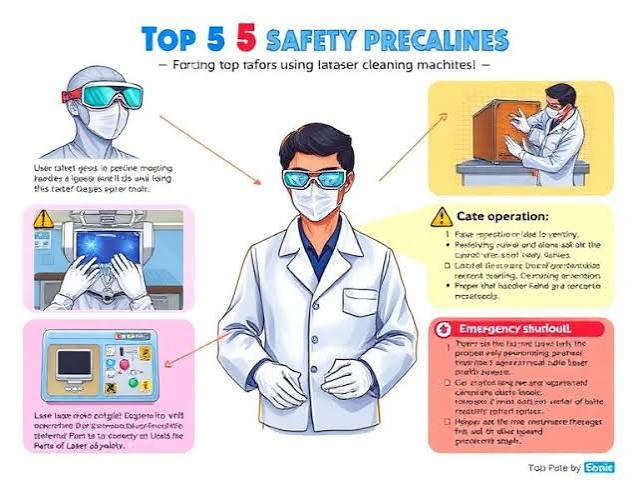
Laser cleaning technology offers a lot of genuine advantages over traditional cleaning methods, but it also introduces its own specific safety considerations that anyone working with this equipment needs to take seriously. Understanding these considerations properly, rather than assuming laser cleaning is automatically safer simply because it avoids the mess and waste of traditional methods, is an important part of using this technology responsibly.
Eye Protection Is Not Optional
Laser beams used in cleaning equipment can cause serious and sometimes permanent eye damage if proper protective eyewear is not worn during operation. This is not a minor precaution to skip on the assumption that a quick glance will not cause harm. Laser cleaning equipment operates at power levels genuinely capable of causing eye injury, and appropriate protective eyewear, rated specifically for the wavelength of the equipment being used, needs to be worn by anyone in the vicinity of an operating laser cleaning system, not just the person directly operating it.
Understanding Beam Containment and Work Area Safety
Proper laser cleaning operation involves controlling where the beam can potentially travel and ensuring the work area is set up to contain the beam within the intended cleaning zone. This includes being mindful of reflective surfaces nearby that could redirect the beam unpredictably, and setting up appropriate barriers or warning signage to prevent unauthorized access to the work area while the equipment is operating.
Proper Training Before Operation
Operating laser cleaning equipment safely requires genuine training, not just a quick read through of an instruction manual. Understanding how to properly power up and shut down the equipment, how to respond if something malfunctions, and how to recognize and address potential safety issues during operation are all things that proper training addresses in a way that self guided learning often does not adequately cover.
Ventilation and Fume Management
The process of vaporizing rust, coatings, or contaminants from a surface generates fumes and particulate matter that need to be properly managed, particularly when working in enclosed spaces. Depending on the specific material being cleaned, these fumes can include substances that pose real health risks if inhaled regularly without proper ventilation or respiratory protection. Understanding what is actually being removed from a given surface, and taking appropriate precautions based on that material, matters significantly for operator health over time.
Equipment Maintenance Affects Safety, Not Just Performance
Poorly maintained equipment does not just perform worse. It can introduce genuine safety risks, whether through compromised beam containment, electrical issues, or cooling system failures that could lead to equipment malfunction during operation. Following the manufacturer’s recommended maintenance schedule for a pulse laser cleaning machine is not just about protecting the equipment investment. It is a genuine safety consideration that should not be deprioritized to save time or maintenance cost.
Understanding Local Regulations and Compliance Requirements
Laser equipment is often subject to specific regulatory requirements depending on the region and the power classification of the equipment involved. Businesses operating laser cleaning equipment need to understand and comply with relevant local regulations, which may include specific labeling requirements, operator certification, or workplace safety documentation that goes beyond simply following the manufacturer’s general safety guidance.
Taking Safety as Seriously as the Technology Deserves
Laser cleaning technology offers real practical advantages, but those advantages do not eliminate the need for proper safety practices. Taking eye protection, beam containment, training, ventilation, maintenance, and regulatory compliance seriously from the start ensures that businesses and individuals get the genuine benefits of this technology without introducing unnecessary risk to the people actually operating the equipment day to day.
None of these precautions should feel like an obstacle to adopting the technology. They are simply the responsible standard practice that comes with operating any genuinely powerful industrial equipment, and businesses that build these practices into their operations from the start tend to avoid the kind of preventable incidents that give a genuinely useful technology an unfair reputation.
