
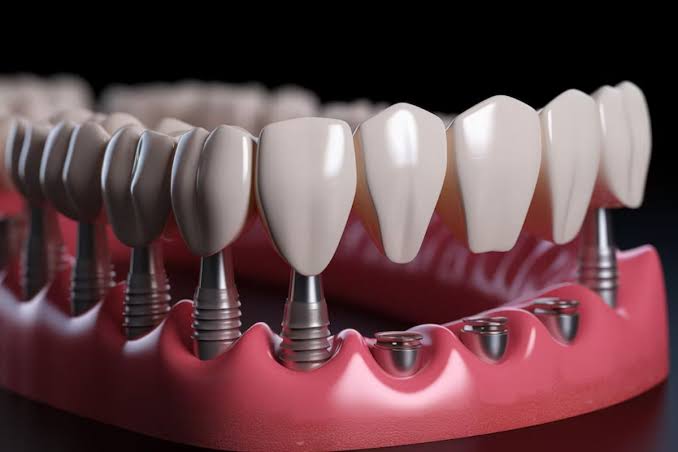
You might be feeling the loss of a tooth in ways other people cannot see. Maybe you cover your mouth when you laugh, avoid certain foods, or feel a quiet drop in confidence every time you look in the mirror. Missing teeth can change more than your smile. They can affect how you speak, how you chew, and how comfortable you feel around others. The good news is that implant dentistry can often restore both function and self trust, giving you a path toward better oral health and a more natural sense of ease. If you are searching for an Oral Surgeon for Watchung NJ, professional guidance can help you take the next step toward restoring your smile.
When a tooth is missing, it is easy to think the issue is only cosmetic. At first, you may tell yourself you can live with the gap. But over time, that space can affect the teeth around it, place more pressure on other areas of your mouth, and even lead to bone loss in the jaw. Because of this tension, you might wonder if replacing that tooth is really worth it. For many people, the answer is yes, especially when they work with an oral surgeon and implant dentist who can explain the process clearly and tailor care to their needs.
Why can one missing tooth affect so much more than your smile?
A missing tooth often starts a chain reaction. You may chew on one side more than the other. Nearby teeth can shift. Your bite may feel off in a way that is hard to describe but impossible to ignore. Even speech can change, especially if the missing tooth is in a visible area. That is where dental implants for oral health and confidence stand apart. They are designed to replace both the visible part of the tooth and the root beneath the gumline, which helps support the jaw and maintain structure.
That support matters. According to the FDA’s guidance on dental implants, implants are medical devices that require careful planning and ongoing care. They are not a quick fix, but they can be a lasting one when placed well and maintained properly. If you have been living with a bridge that feels loose or dentures that slip at the wrong moment, that difference can feel deeply personal.
There is also the emotional side, which people do not always talk about. You may hesitate in photos, speak less in meetings, or turn down social plans because eating in public feels awkward. Those choices can slowly shrink your world. Restoring a missing tooth can help rebuild confidence, not in a dramatic or flashy way, but in the quiet relief of feeling like yourself again.
What makes implant treatment feel like such a big decision?
For most people, the hesitation is not just about the procedure. It is about cost, healing time, and fear of making the wrong choice. What if the implant fails? What if recovery is harder than expected? What if you invest in treatment and still do not feel comfortable smiling?
These are fair concerns. Implant treatment usually takes more time than a removable option, and not everyone is an immediate candidate. Gum health, bone density, smoking, and certain health conditions can all affect the plan. That said, careful screening helps reduce surprises. A thoughtful provider will review your health history, imaging, and goals before moving forward.
If you are weighing options, it can help to review plain language guidance on considering dental implants. It explains why implants often feel more stable and natural than some alternatives, while also noting that healing and home care matter. So, where does that leave you? Usually at a point where good information matters more than pressure.
How do dental implants compare with other tooth replacement options?
When you compare choices, it helps to look at more than appearance alone. You want to think about comfort, maintenance, bone support, and daily life.
| Option | How It Helps | Possible Limits | Best Fit For |
| Dental Implant | Replaces tooth root and crown, supports jawbone, feels stable when healed | Higher upfront cost, requires healing time and surgery | People who want long term function and a natural feel |
| Dental Bridge | Fills the gap without surgery, often faster to complete | May require work on nearby teeth, does not support bone in the same way | People who want a fixed option with a shorter timeline |
| Removable Denture | Lower initial cost, can replace one or more teeth | May shift, can affect speech or eating comfort, less stable | People seeking a removable and budget conscious option |
This is where tooth implant treatment often stands out. It is not only about filling a gap. It is about preserving structure and improving day to day comfort. Good oral care still matters after treatment, of course. The National Institute on Aging offers helpful guidance on taking care of your teeth and mouth, including brushing, flossing, and regular dental visits. Implants need that same attention.
What can you do now if you are thinking about oral surgery and implants?
1. Pay attention to what your mouth is already telling you.
If you avoid chewing on one side, notice shifting teeth, or feel self conscious when you smile, write those concerns down. Specific examples help shape a better treatment discussion. “I cannot chew steak comfortably” is more useful than “My tooth bothers me sometimes.”
2. Ask direct questions during a consultation.
Ask whether you have enough bone, how long healing may take, what the full cost includes, and what risks apply to your health history. A good consultation should leave you more settled, not more confused.
3. Think beyond the short term.
It is natural to focus on the immediate cost or the idea of surgery. But also consider the long view. How do you want to eat, speak, and smile a year from now? A durable plan can sometimes save stress and added treatment later.
Could restoring your smile also restore peace of mind?
Yes, and often in ways that build slowly. You may notice it first when you eat without thinking about it, or when you smile in a photo without hesitation. The real value of dental implants is not only the restored tooth. It is the return of comfort, function, and confidence that missing teeth can quietly take away.
If you have been putting off care, you do not need to decide everything today. You only need to take the next clear step. Speaking with an oral surgeon and implant dentist can help you understand whether a dental implant is right for you and what the process would look like in real life.
