
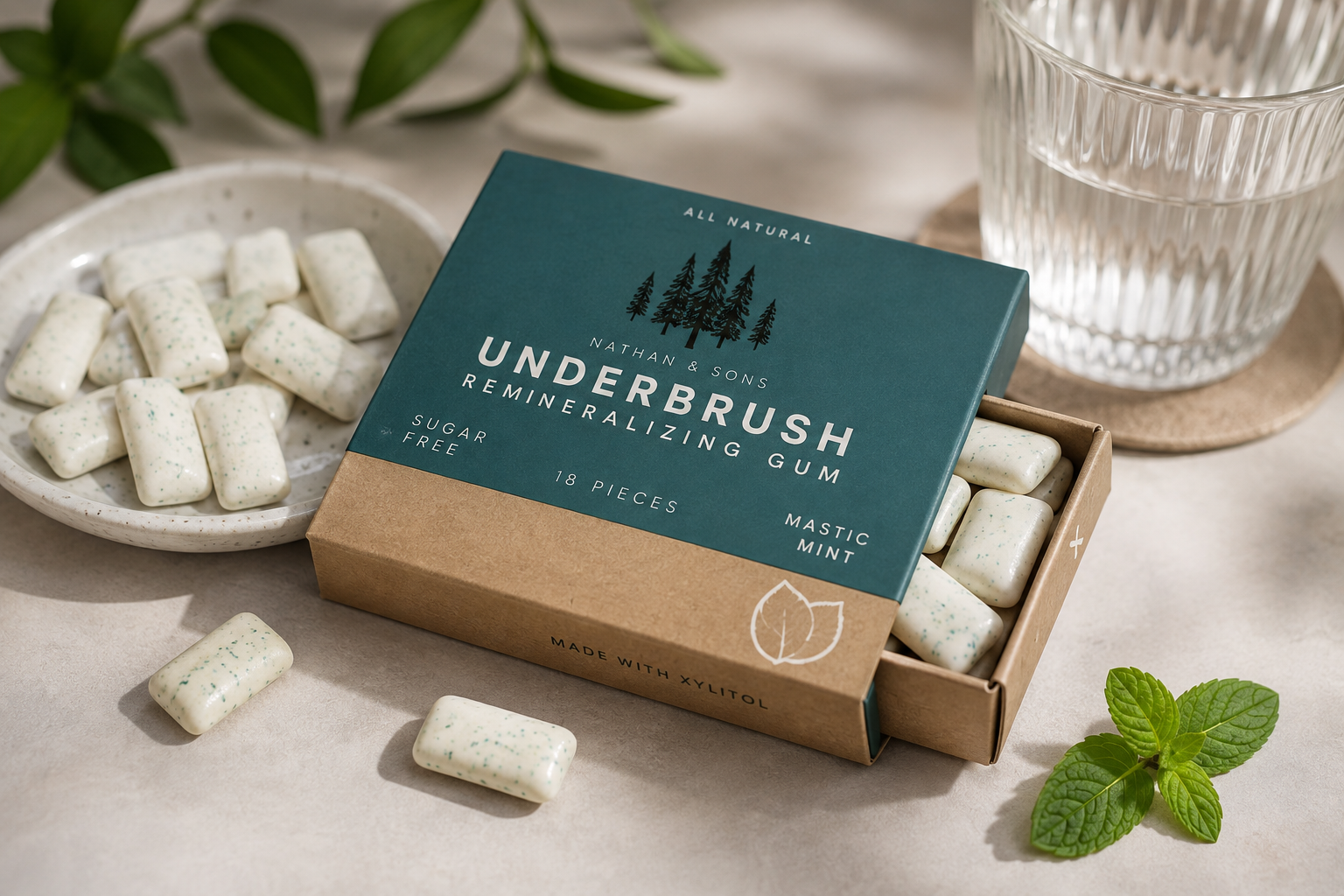
Chewing gum is often treated as little more than a way to freshen breath. However, research suggests that sugar-free gum can also play a useful supporting role in everyday oral hygiene. Gum sweetened with xylitol is especially interesting because it combines the saliva-stimulating effects of chewing with a sweetener that oral bacteria do not process like ordinary sugar.
What Is Xylitol?
Xylitol is a sugar alcohol found naturally in small amounts in fruits and vegetables. It tastes sweet but differs chemically from sucrose, the table sugar frequently associated with tooth decay.
Certain bacteria in dental plaque use fermentable sugars to produce acids. Repeated acid exposure can contribute to the demineralization of tooth enamel. Xylitol is considered non-cariogenic because it is not readily fermented into harmful acids by oral bacteria.[1]
Chewing Stimulates Saliva
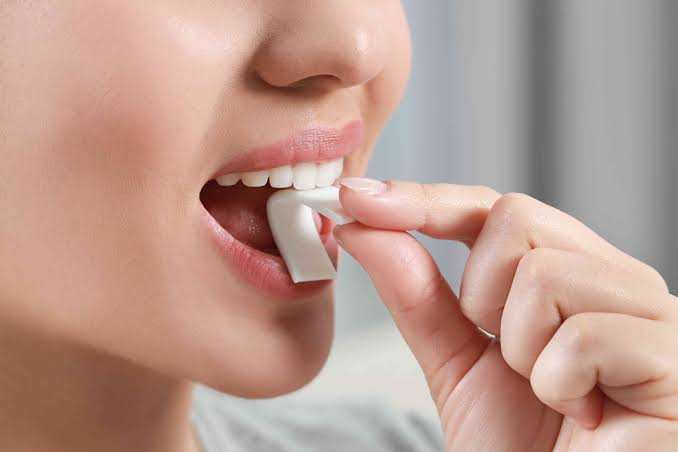
Part of the value of xylitol gum comes from chewing itself. Chewing increases saliva flow, particularly after meals. Saliva helps clear food debris, dilute acids and deliver naturally occurring minerals to the tooth surface.
Clinical research has shown that sugar-free gum can increase salivary flow and raise plaque pH after exposure to food or sugar.[2] For this reason, chewing sugar-free gum after eating may be a practical option when brushing is temporarily unavailable.
This does not mean gum replaces brushing or flossing. It should be viewed as a supplementary habit within a complete oral-care routine.
What Research Says About Xylitol
Researchers have studied whether regular xylitol use can influence levels of Streptococcus mutans, a group of bacteria associated with dental caries. Some clinical trials and systematic reviews have reported reductions in bacterial measurements or caries incidence among people using xylitol products.[3]
However, the evidence is not perfectly uniform. A Cochrane review found some evidence that xylitol-containing products may help prevent cavities but rated much of the available evidence as low quality.[4] Differences in dosage, product type, study length and participant behaviour make it difficult to guarantee the same outcome for every gum or user.
The most responsible conclusion is that xylitol gum may support oral hygiene, but it should not be promoted as a treatment or guaranteed method of preventing cavities.
Choosing a Xylitol Gum
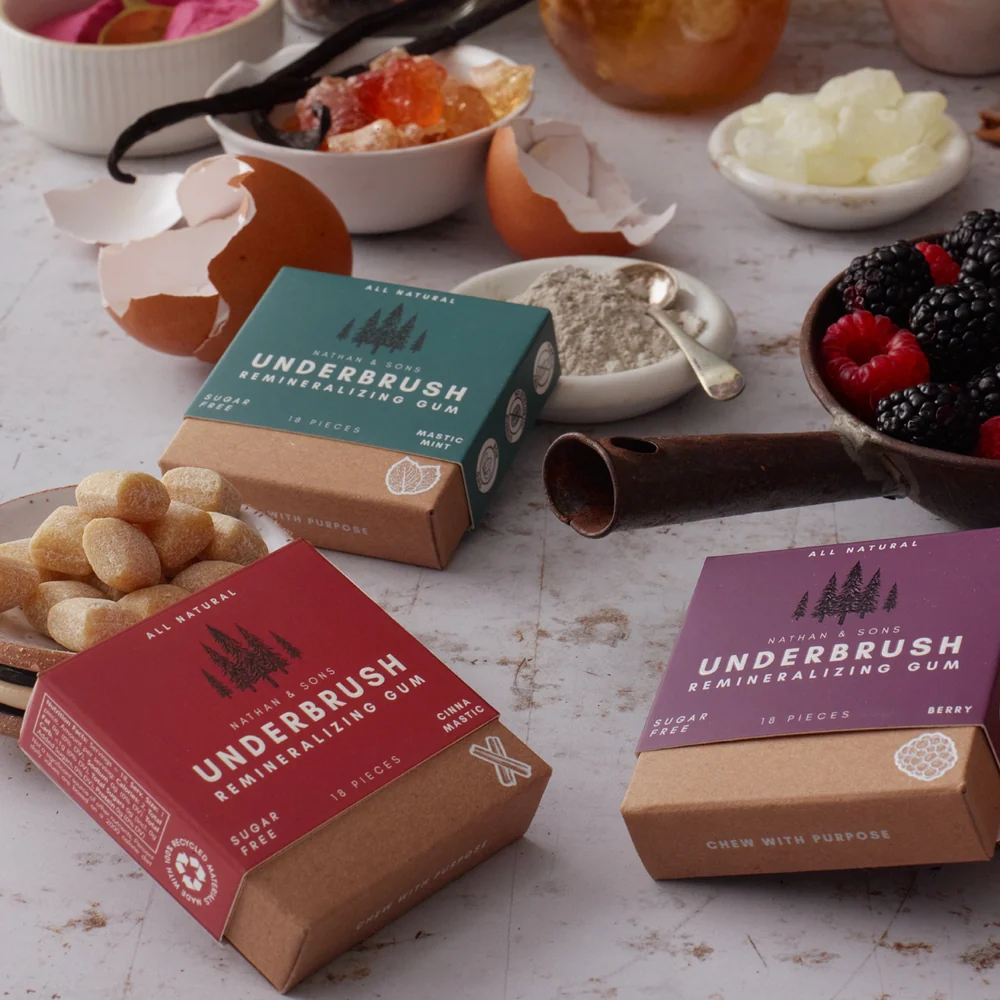
Consumers should examine more than the words “sugar-free.” Ingredient lists reveal which sweeteners are used and whether xylitol is a primary ingredient or a minor addition.
A quality gum should also offer a pleasant texture and flavour, since consistency matters in any daily routine. People comparing natural formulations can explore the best xylitol chewing gum made with plant-based ingredients and without conventional sugar.
Excessive intake of xylitol or other sugar alcohols may cause digestive discomfort in some people, so moderation is sensible. Xylitol is also highly toxic to dogs; gum and other xylitol-containing products must be stored securely away from pets.
Used appropriately, xylitol gum can be a convenient addition to brushing with fluoride toothpaste, daily interdental cleaning and professional dental care. Its strongest scientific case rests on a combination of sugar replacement, saliva stimulation and compatibility with a tooth-conscious lifestyle.
References
- Mäkinen KK. “Sugar Alcohols, Caries Incidence, and Remineralization of Caries Lesions.” International Journal of Dentistry, 2010.
- Dawes C, Macpherson LMD. “Effects of Nine Different Chewing-Gums and Lozenges on Salivary Flow Rate and pH.” Caries Research, 1992.
- Mickenautsch S, Leal SC, Yengopal V, Bezerra AC, Cruvinel V. “Sugar-Free Chewing Gum and Dental Caries: A Systematic Review.” Journal of Applied Oral Science, 2007.
- Riley P et al. “Xylitol-Containing Products for Preventing Dental Caries in Children and Adults.” Cochrane Database of Systematic Reviews, 2015.
This article provides general educational information and is not a substitute for professional dental or medical advice.
