
Why Recovery Deserves as Much Attention as Training
Training consistently is only one part of improving fitness. Whether someone is lifting weights, running long distances, playing competitive sports, or simply following a demanding workout schedule, recovery gives the body time to adapt to physical stress.
Sleep, nutrition, hydration, mobility work, rest days, and appropriate training volume all contribute to recovery. In recent years, cold therapy has also become increasingly popular among athletes and fitness enthusiasts looking for additional recovery strategies.
One convenient option is a cold plunge with chiller, which can provide a controlled environment for cold-water exposure without depending on bags of ice or changing outdoor temperatures.
The growing interest in cold therapy raises an important question: how should it actually fit into a sensible fitness routine?
What Is Cold Water Therapy?
Cold water therapy involves exposing the body to cold water for a limited period. A cold plunge is one of the most controlled ways to do this because users can manage the water temperature and duration of each session.
Unlike an ordinary cold shower, a plunge allows much more of the body to be immersed at once. This creates a more consistent experience and makes it easier to establish a repeatable recovery routine.
Cold exposure can feel intense at first. The initial response may include rapid breathing and a strong sensation of cold, which is why gradual adaptation and sensible session lengths are important.
How Cold Plunges May Support Recovery
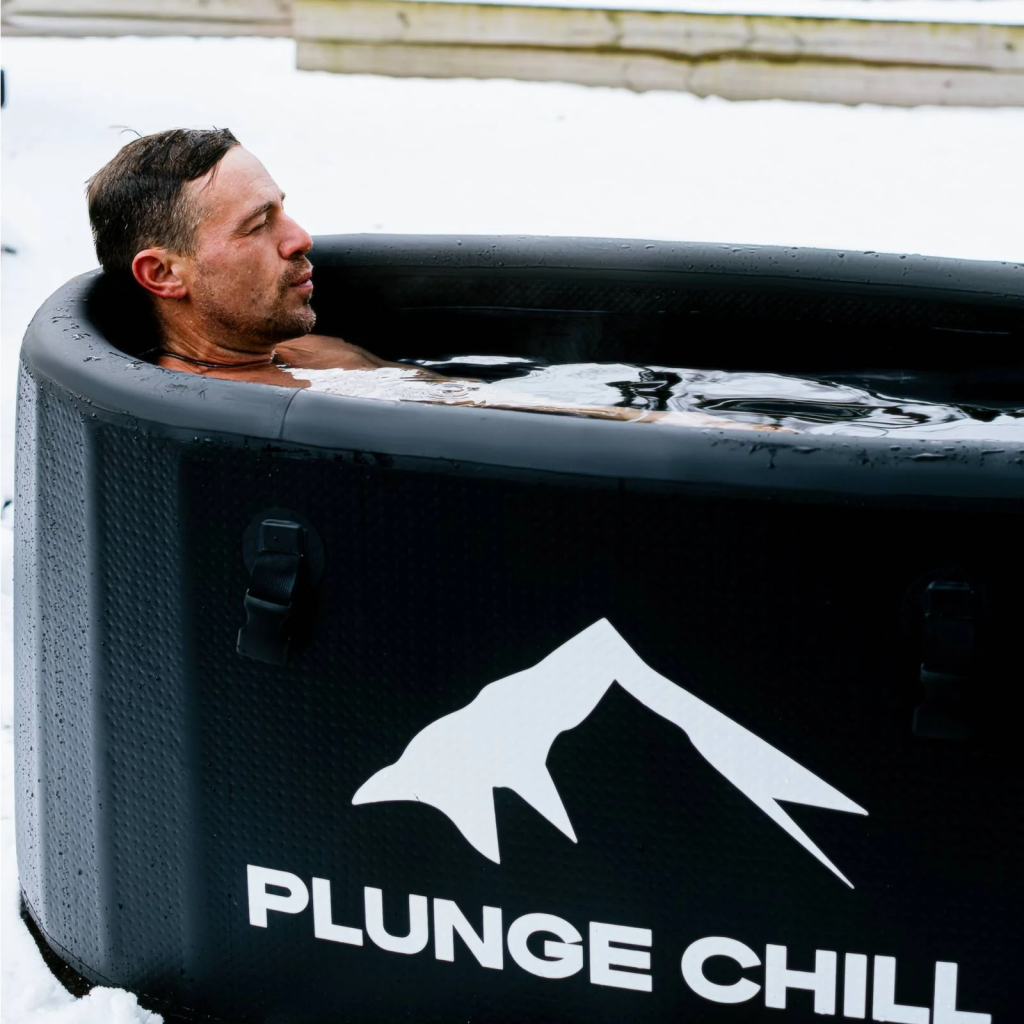
Cold exposure has attracted attention because of its potential effects on perceived soreness and post-exercise recovery.
After demanding exercise, muscles can feel tired, stiff, or uncomfortable. Some athletes report that cold-water immersion helps them feel more refreshed after particularly strenuous sessions.
However, cold therapy shouldn’t be viewed as a replacement for the fundamentals of recovery.
A useful recovery routine still starts with:
- Adequate sleep
- Sufficient calories and protein
- Proper hydration
- Appropriate training volume
- Rest and active recovery
- Mobility and flexibility work
Cold therapy works best as one part of this larger picture.
When Is Cold Therapy Most Useful?
Timing depends on the type of training and the individual’s goals.
For someone participating in endurance events or competitions on consecutive days, reducing perceived soreness and feeling ready for the next session may be a priority.
A different consideration applies to people primarily focused on building muscle.
Some research has raised concerns that frequent cold-water immersion immediately after resistance training may interfere with certain adaptations associated with muscle growth. For that reason, people whose main goal is hypertrophy may want to think carefully about when they use cold exposure rather than automatically taking a plunge after every workout.
The key lesson is that more recovery technology isn’t necessarily better. It should support the specific goal of the training programme.
Why Temperature Control Matters
One advantage of a dedicated cold-plunge system is consistency.
With traditional ice baths, the water temperature can change as the ice melts. Preparing the bath can also require considerable effort, particularly when someone wants to use cold therapy regularly.
A controlled system can make the process more predictable.
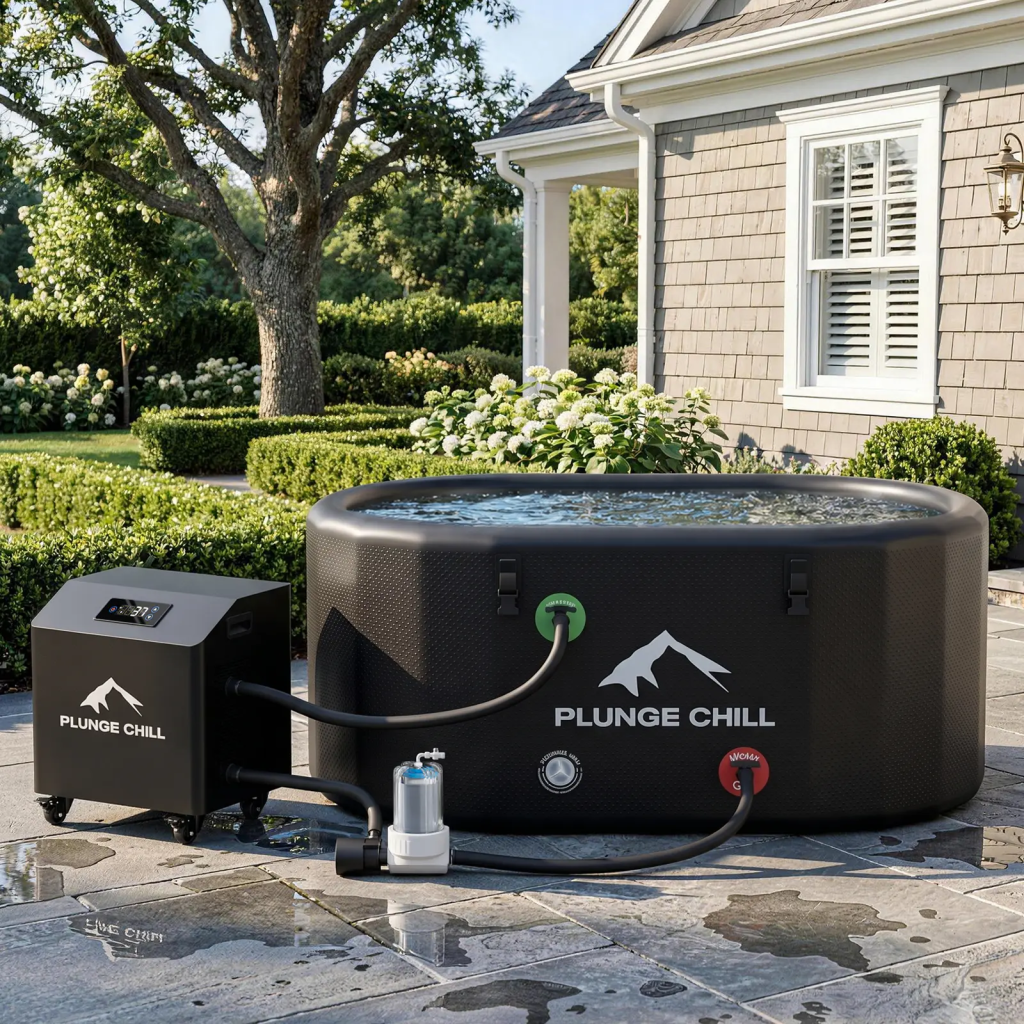
For example, a home setup combining a tub and cooling unit can allow users to establish a preferred temperature and maintain it between sessions. This can make cold therapy easier to incorporate into a regular routine.
Building a Sensible Cold-Plunge Routine
Anyone new to cold exposure should avoid treating it as a test of toughness.
Starting with a less aggressive temperature and shorter exposure gives the body an opportunity to adapt. Over time, users can determine what feels manageable and useful for their own routine.
A simple approach is to:
Start Gradually
There is no need to begin with the coldest possible setting. A moderate starting point can make the experience easier to manage.
Focus on Breathing
The initial cold response can cause rapid breathing. Staying calm and focusing on controlled breathing can make the experience more manageable.
Keep Sessions Reasonable
Longer exposure isn’t automatically more beneficial. Duration should be appropriate for the temperature and the individual’s experience level.
Warm Up Naturally
After leaving the plunge, allow the body to return toward its normal temperature naturally. Pay attention to how you feel rather than immediately chasing another extreme temperature change.
Cold Plunges and Athletic Performance
Recovery technology has become increasingly common in sports because athletes are constantly looking for ways to manage training demands.
For endurance athletes, tournaments, and high-frequency training schedules, the ability to feel physically prepared for another session can be valuable.
However, cold therapy should not be confused with a direct performance enhancer.
It doesn’t replace structured training or make an athlete fitter overnight. Its potential value is mainly connected with recovery and how an individual feels following demanding exercise.
That distinction helps keep expectations realistic.
Home Cold Therapy vs. Traditional Ice Baths
Traditional ice baths remain accessible, but they can be inconvenient for regular use.
Users need enough ice, a suitable container, and a way to estimate or measure water temperature. The preparation process can become repetitive.
A dedicated cold-water system offers a more controlled alternative.
Potential advantages include:
- Consistent temperature
- Easier preparation
- Repeatable sessions
- Less dependence on buying ice
- Convenient home access
- More control over the recovery environment
For people who already use cold therapy frequently, convenience can make a significant difference.
What to Look for in a Home Cold-Plunge System
Not every setup needs the same features.
Before choosing equipment, consider the following.
Temperature Range
Check whether the system can reach and maintain the temperature you actually intend to use.
Chiller Performance
A cooling unit should be appropriate for the tub volume and the surrounding environment. Efficient temperature control becomes particularly important when the system is used regularly.
Filtration and Water Maintenance
Clean water is essential. Look for systems with appropriate filtration and straightforward maintenance requirements.
Size
The tub should fit comfortably in the intended location while leaving enough space around the equipment for safe access and maintenance.
Ease of Use
A complicated system can discourage consistent use. Simple controls and straightforward maintenance can make a home setup much more practical.
Cold Therapy Is Not a Substitute for Sleep
One of the biggest mistakes in modern recovery culture is looking for technology to compensate for poor fundamentals.
If someone regularly sleeps five hours, eats poorly, and trains without sufficient rest, adding a cold plunge won’t solve the underlying problem.
Sleep remains one of the most important recovery tools available.
Likewise, adequate nutrition and hydration provide the body with the resources needed to recover from physical stress.
Cold therapy should therefore be treated as an optional addition rather than a shortcut.
Safety Should Come First
Cold-water immersion places a significant stress on the body, particularly during the initial exposure.
People with cardiovascular conditions, circulation problems, uncontrolled blood pressure, or other relevant medical concerns should speak with a qualified healthcare professional before using cold immersion.
Never use cold-water immersion when impaired, and don’t treat extreme cold exposure as a competition.
If you experience unusual symptoms, severe dizziness, chest discomfort, difficulty breathing, or feel unwell, stop the session and seek appropriate medical assistance.
Making Recovery More Sustainable
The best recovery routine is one that can actually be maintained.
For some people, that might mean a short walk after training. For others, it could involve stretching, mobility exercises, massage, or carefully planned cold exposure.
The important point is to build recovery around individual needs rather than following every fitness trend.
A home cold plunge can be particularly appealing to people who enjoy structured routines and want convenient access to temperature-controlled cold therapy.
Final Thoughts
Cold therapy has become an interesting part of modern fitness recovery, but its value depends on how it is used.
A sensible approach combines cold exposure with established recovery fundamentals such as sleep, nutrition, hydration, appropriate training loads, and rest. Rather than chasing the coldest temperature or longest session, focus on consistency, comfort, and the goals of your training programme.
For people interested in making cold therapy part of their home recovery routine, a properly designed plunge and chiller system can offer greater convenience and temperature control than a traditional ice bath.
Ultimately, recovery isn’t about finding one magic solution. It’s about creating a sustainable system that helps you train consistently, manage physical stress, and feel ready for the next challenge.
