
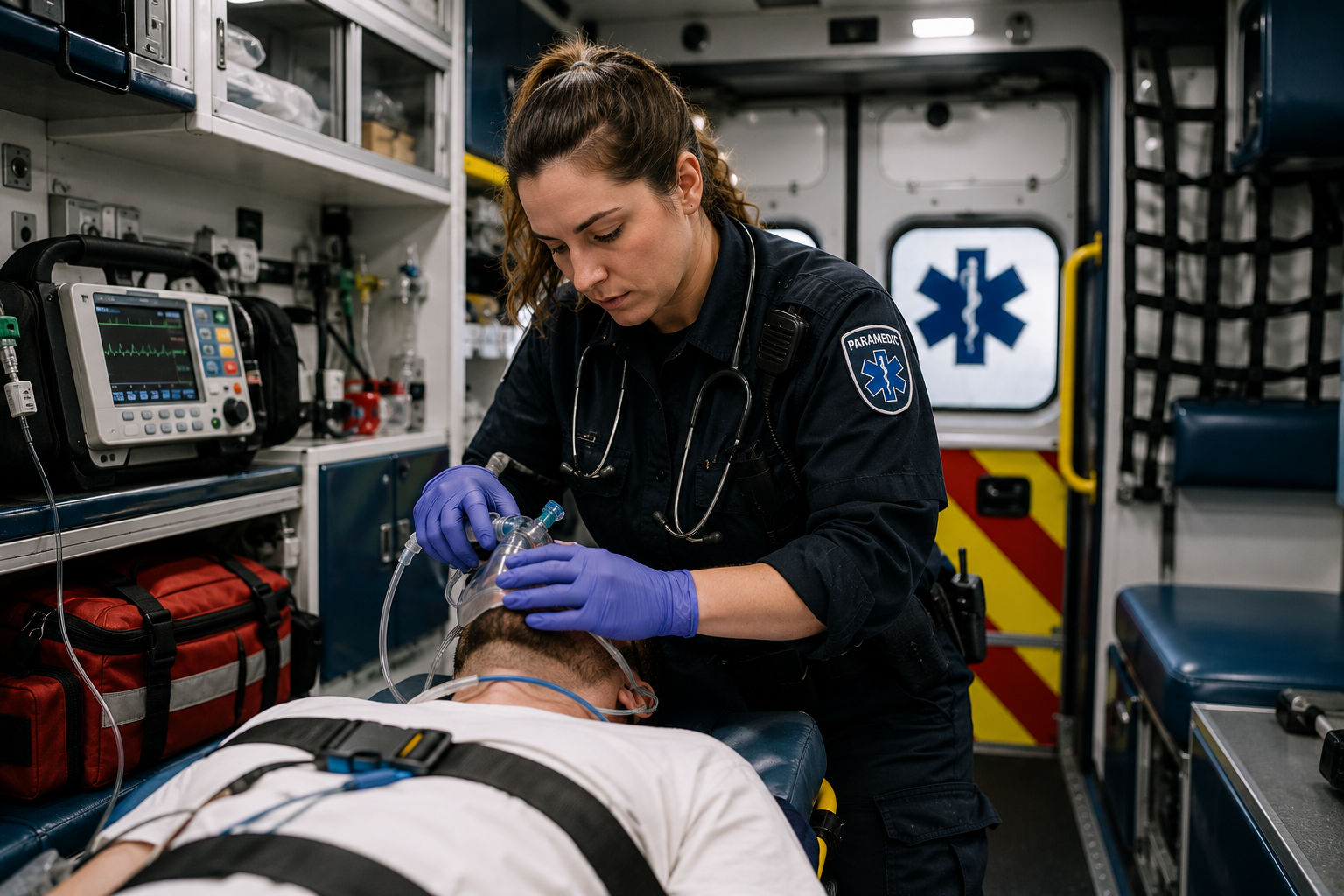
In the fast-paced world of emergency medical services (EMS), travel paramedics play a crucial role by delivering mobile healthcare. As a travel paramedic, you are part of a specialized team trained to respond swiftly to medical emergencies wherever they occur, often in remote or underserved areas. Your role is pivotal in bridging the gap between standard EMS and the healthcare needs of communities that lack immediate medical resources.
Travel paramedics are often called upon to provide rapid medical interventions during critical situations. Your expertise is not confined to traditional settings; instead, you operate in diverse environments, such as rural locations, disaster zones, and even international settings. Your adaptability and quick decision-making skills are essential in delivering effective care during the golden hour of emergency response.
Moreover, as a travel paramedic, you are equipped with advanced training that enables you to perform a wide range of medical procedures on the spot. From administering life-saving medications to performing advanced airway management, your capability extends beyond what is typically expected of paramedics. Your specialized skills ensure that patients receive the best possible care before they reach a hospital.
The Growing Need for Travel Paramedics amid EMS Shortages
The healthcare industry is facing an increasing shortage of EMS professionals, leading to a greater demand for travel paramedics. As you may be aware, many communities are struggling to maintain adequate EMS coverage due to budget constraints and a dwindling workforce. This trend underscores the importance of travel paramedics who can fill these gaps and provide much-needed support.
In regions experiencing EMS shortages, your presence as a travel paramedic is indispensable. You are often deployed to areas that face critical staffing shortages, ensuring that emergency medical services remain uninterrupted. By stepping into these roles, you help maintain the integrity of the emergency response system and ensure that patients receive timely care.
Furthermore, your ability to adapt to different healthcare environments makes you an invaluable asset in addressing these shortages. As a travel paramedic, you bring flexibility and innovation to EMS operations, allowing you to integrate seamlessly into various healthcare settings. Your contributions not only alleviate immediate staffing concerns but also enhance the overall efficiency of emergency medical services.
Onsite Paramedic Solutions: When and Where They Are Needed
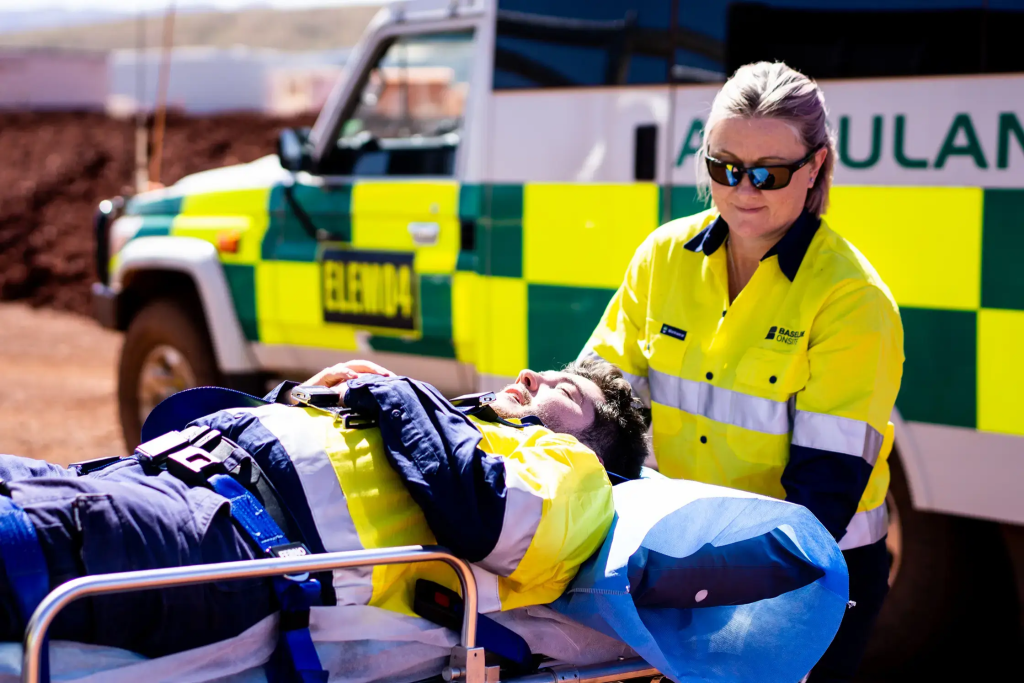
Onsite paramedic solutions are increasingly becoming a vital component of emergency medical services, particularly in industries and locations where immediate medical attention is paramount. As a travel paramedic, you provide onsite medical care in settings such as construction sites, oil rigs, and large events, where the risk of injury is high and immediate response is crucial.
Your role in these environments involves assessing and managing injuries or illnesses until further medical help arrives or until a patient can be safely transported to a healthcare facility. Onsite paramedic solutions benefit organizations by reducing downtime and ensuring the health and safety of their workforce. Your ability to deliver prompt medical care minimizes the impact of accidents and enhances the overall safety culture within these settings.
Moreover, your presence at large public gatherings, such as concerts and sporting events, is crucial in managing potential health emergencies. As a travel paramedic, you are often the first responder to medical incidents, providing immediate care and stabilizing patients before they are transported to a hospital. Your expertise ensures that event attendees have access to high-quality emergency medical services, contributing to the success and safety of these events.
Key Responsibilities of Travel Paramedics
As a travel paramedic, your responsibilities extend beyond traditional EMS duties, requiring you to be versatile and highly skilled. One of your primary tasks is to provide emergency medical care in diverse settings, often with limited resources. This entails performing advanced medical procedures, such as intubation, defibrillation, and the administration of critical medications, all while ensuring the patient’s safety and comfort.
In addition to direct patient care, you are responsible for maintaining and managing medical equipment and supplies. This includes ensuring that all equipment is in optimal working condition and that you have access to necessary medications and medical tools. Your attention to detail in this area is critical, as it allows you to deliver effective care even in challenging environments.
Another key responsibility is effective communication and collaboration with other healthcare professionals. As a travel paramedic, you often work alongside physicians, nurses, and other EMS personnel, requiring you to coordinate your efforts to ensure seamless patient care. Your ability to communicate clearly and work collaboratively is essential in achieving positive outcomes for patients and in maintaining the integrity of emergency response systems.
Emergency Response Systems: How Travel Paramedics Fit In
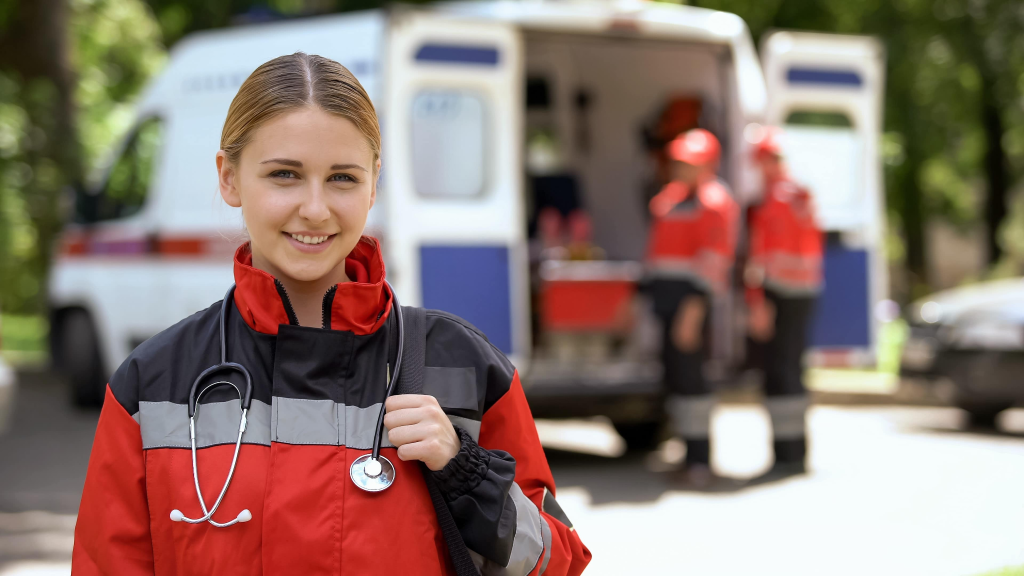
Travel paramedics are integral to the functioning of emergency response systems, providing a flexible and responsive solution to medical emergencies. Your role involves working within established emergency response protocols to deliver timely and effective care. As a travel paramedic, you adapt these protocols to the unique circumstances of each situation, ensuring that patients receive appropriate care.
You are often deployed as part of an emergency response unit, which may include other medical professionals and support staff. Your role within this unit is to provide frontline medical care, assess patient conditions, and implement necessary interventions. By working collaboratively with other team members, you help optimize the emergency response process and improve patient outcomes.
Your expertise also contributes to the development and refinement of emergency response systems. As a travel paramedic, you bring valuable insights into the challenges and opportunities within emergency medical services. Your experiences in the field help inform best practices and drive innovation, ensuring that emergency response systems remain effective and responsive to changing needs.
Community Emergency Response Teams: Collaboration and Impact
Community Emergency Response Teams (CERTs) play a crucial role in enhancing the resilience of communities to emergencies and disasters. As a travel paramedic, your collaboration with CERTs is vital in providing comprehensive emergency care and support. You work alongside community volunteers and local authorities to ensure that communities are prepared and equipped to handle emergencies.
Your involvement with CERTs includes providing training and education to community members, helping them understand the basics of emergency medical care. By sharing your expertise, you empower individuals to respond effectively to emergencies, enhancing the overall preparedness of the community. This collaborative effort not only improves immediate response capabilities but also fosters a culture of safety and resilience.
In times of crisis, your presence as a travel paramedic within CERTs is invaluable. You provide professional medical care and support during emergency situations, working in tandem with community members to address medical needs. Your ability to integrate into these teams and provide expert care ensures that communities are better equipped to manage emergencies and recover more quickly.
Challenges Faced by Travel Paramedics in the Field
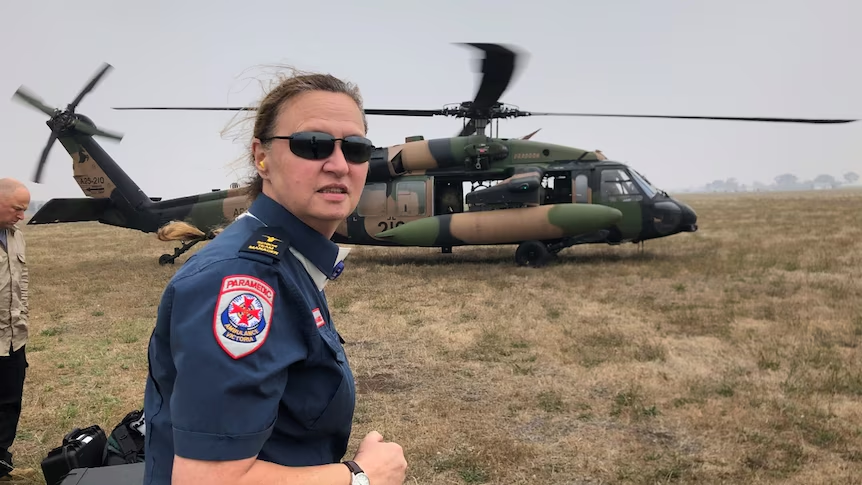
Working as a travel paramedic comes with its own set of challenges, requiring you to be resourceful and resilient. One of the primary challenges is the unpredictable nature of your work environment. You may be called to respond to emergencies in remote or hazardous locations, often with limited resources and support. Your ability to adapt and improvise in these situations is essential to providing effective care.
Additionally, the physical and emotional demands of the job can be taxing. As a travel paramedic, you may face long hours, irregular schedules, and exposure to traumatic events. Managing stress and maintaining your well-being is crucial to performing your duties effectively. It is important to develop coping strategies and seek support from colleagues and mental health professionals when needed.
Navigating complex healthcare systems and regulations is another challenge you may encounter. As a travel paramedic, you must be familiar with different protocols and procedures across various jurisdictions. Staying informed about these regulations and ensuring compliance is essential to avoiding legal and professional issues. Your ability to understand and navigate these complexities enhances your effectiveness in the field.
Training and Qualifications for Travel Paramedics
To excel as a travel paramedic, you must undergo extensive training and obtain specific qualifications. Typically, you are required to complete an accredited paramedic training program, which includes both classroom instruction and hands-on clinical experience. This foundational training equips you with the knowledge and skills necessary to perform advanced medical procedures and provide high-quality patient care.
In addition to your initial training, obtaining certification from a recognized professional body is essential. Certifications such as the National Registry of Emergency Medical Technicians (NREMT) or equivalent regional certifications validate your competency as a paramedic. Maintaining these certifications through continuing education and recertification is crucial to staying current with best practices and advancements in the field.
Moreover, specialized training in areas such as advanced cardiac life support (ACLS), pediatric advanced life support (PALS), and pre-hospital trauma life support (PHTLS) enhances your capabilities as a travel paramedic. These certifications ensure that you are well-prepared to handle a wide range of medical emergencies and provide the highest level of care to patients in diverse settings.
The Future of Emergency Response: Innovations and Trends
The field of emergency response is continually evolving, with innovations and trends shaping the future of travel paramedics. As a professional in this dynamic field, you can expect to see advancements in technology, such as the integration of telemedicine and mobile health applications. These tools enhance your ability to assess and manage patient conditions remotely, providing real-time support and consultation.
Another trend influencing the future of emergency response is the emphasis on data-driven decision-making. As a travel paramedic, you may leverage data analytics to improve patient care and optimize emergency response strategies. By analyzing data from past incidents, you can identify patterns and implement measures to enhance response times and patient outcomes.
The growing focus on interdisciplinary collaboration is also shaping the future of emergency response. As a travel paramedic, you may increasingly work alongside professionals from diverse fields, such as public health, disaster management, and technology. This collaborative approach fosters innovation and ensures a comprehensive response to emergencies, ultimately improving the quality of care provided to patients.
The Vital Role of Travel Paramedics in Healthcare
Travel paramedics play a vital role in the healthcare system, providing essential medical care in diverse and challenging environments. Your expertise and adaptability ensure that patients receive timely and effective care, even in the most complex situations. As a travel paramedic, you are an integral part of the emergency response system, contributing to the health and safety of communities worldwide.
Your ability to navigate the challenges of the field and collaborate with other professionals highlights the importance of your role in addressing EMS shortages and enhancing emergency response capabilities. By staying informed about the latest innovations and trends, you continue to advance your skills and improve patient outcomes.
As the demand for travel paramedics continues to grow, your contributions remain critical to the future of healthcare. Embracing the opportunities and challenges of this dynamic field, you help shape the future of emergency medical services and ensure that communities have access to the high-quality care they need.
