
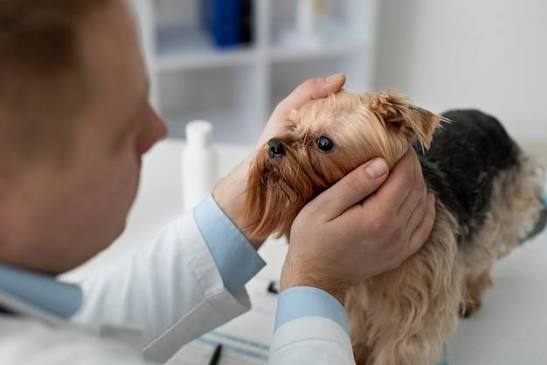
It often starts the same way. Your pet’s eye looks red again, there is discharge again, they are squinting again, and you are wondering why this keeps coming back after drops, ointment, or one more visit. Recurrent eye irritation wears you down fast because it looks small from the outside, yet you can see your pet is uncomfortable every day. When the same eye problem returns, Murfreesboro veterinary services and a tear production test for pets can uncover a cause that is easy to miss and hard to fix without the right treatment.
Low tear production is not just dryness. Tears protect the surface of the eye, wash away debris, and help the cornea heal. When there are not enough tears, the eye becomes inflamed, painful, and prone to infection and damage. That is why pet tear testing for chronic eye irritation matters. It helps your veterinarian tell the difference between a surface problem that needs lubrication and immune support, and one that needs a very different plan.
Recurrent Eye Irritation Often Points To An Underlying Tear Deficiency
If your dog or cat keeps having red eyes, thick mucus, blinking, rubbing at the face, or a cloudy look to the cornea, it is easy to assume it is allergies or another scratch. Sometimes it is. Sometimes the real issue is that the eye is not making enough tears, and the irritation keeps returning because the surface never gets the protection it needs.
In dogs, one common cause is keratoconjunctivitis sicca, often called dry eye or KCS. Cornell explains that this condition reduces tear production and can lead to pain, infection, corneal pigment, and vision loss if it goes untreated. You can read more from Cornell’s overview of keratoconjunctivitis sicca in dogs. This is one reason a basic eye exam is not always enough when irritation keeps coming back.
The frustration is that low tear production can look like several other eye problems at first. You may see goopy discharge and think infection. You may see squinting and think scratch. You may even get temporary relief with medication, only to have symptoms return because the tear problem is still there. That cycle costs time, money, and comfort.
Tear Testing Helps Protect The Cornea Before More Serious Damage Sets In
The cornea depends on a healthy tear film. Without it, even a small irritation can turn into a larger injury. A dry eye can slow healing and make ulcers more likely or harder to resolve. The University of Illinois notes that some corneal problems, including indolent ulcerations in dogs, may need careful diagnosis and treatment because healing on the eye’s surface is not always straightforward.
This is where a tear production test matters. It gives your veterinarian a measurable piece of information instead of relying on appearance alone. The test is quick, usually done with a small paper strip placed in the lower eyelid for about a minute. It is simple, but it can change the whole treatment plan. If tear production is low, antibiotics alone will not solve the problem. If tears are normal, your veterinarian can keep looking for ulcers, eyelid issues, foreign material, allergies, or other causes.
That clarity matters when your pet has already been through repeat flare ups. You do not want to keep treating the wrong problem while the cornea becomes more inflamed and more fragile.
A Veterinary Eye Dryness Test Gives Clear Direction For Treatment
When people hear “test,” they often worry it means something expensive or invasive. This one is neither. A veterinary eye dryness test is one of the more practical tools in general veterinarian care because it can quickly separate look alike conditions.
| What You Notice At Home | What It Might Mean | Why Tear Testing Helps |
|---|---|---|
| Redness and thick stringy discharge | Dry eye, infection, irritation | Shows whether low tears are driving the inflammation |
| Squinting and pawing at the eye | Ulcer, dryness, foreign material, pain | Helps rule in or rule out tear deficiency as part of the cause |
| Symptoms improve, then return after medication stops | Underlying chronic condition | Supports a long term plan instead of repeat short term treatment |
| Cloudy or dull corneal surface | Surface damage, poor healing, chronic inflammation | Identifies whether the tear film is failing to protect the cornea |
This matters in real life because treatment changes when the cause changes. A pet with low tear production may need tear stimulants, artificial tears, and regular monitoring. A pet with normal tears but a corneal ulcer may need stain testing, pain control, and a different medication plan. Without testing, those paths can look the same at first.
Three Steps You Can Take Right Away
Track the pattern. Write down when the redness starts, whether one or both eyes are affected, what the discharge looks like, and whether your pet is squinting or rubbing. A pattern of repeat flare ups helps your veterinarian decide when a tear production test should be part of the exam.
Do not reuse old eye medication. Eye problems can look alike and still need very different treatment. Some products are unsafe if an ulcer is present. If the irritation is back, your pet needs a fresh exam, not leftover drops from last month.
Ask for tear testing during the visit. If your pet has recurrent irritation, discharge, or a history of eye infections, ask whether a tear test makes sense. In many cases, this small step can save repeated visits and help protect vision.
Finding The Cause Early Can Spare Your Pet Ongoing Pain
When an eye problem keeps returning, you are not overreacting by wanting a better answer. Recurrent irritation often means there is a root cause that has not been identified yet, and tear deficiency is one of the most common and most treatable reasons. A simple tear production test can help your general veterinarian move from short term relief to a plan that actually fits what your pet’s eye needs.
If your pet’s eye redness, discharge, or squinting keeps coming back, schedule an exam and ask whether tear testing should be part of the workup. Catching dry eye early can make treatment simpler and protect your pet’s comfort and vision.
