
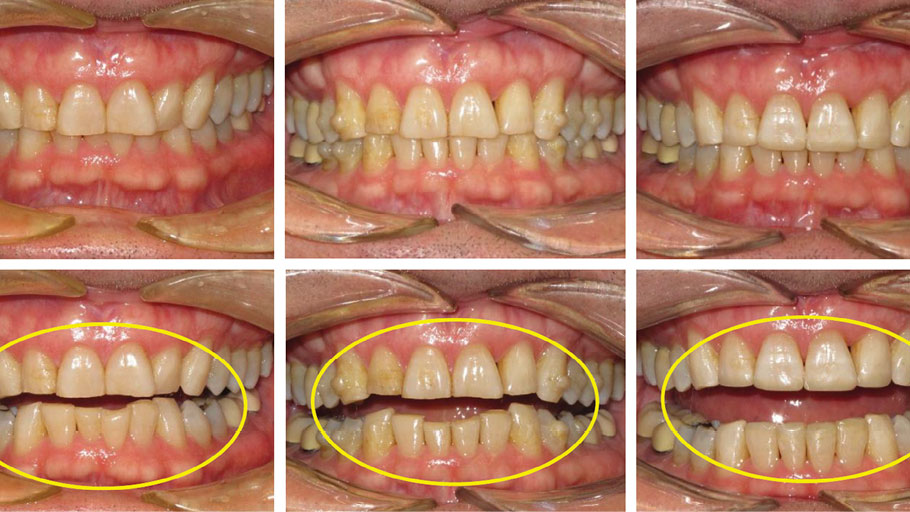
You may have noticed your teeth look shorter than they used to, or your bite feels off in a way that is hard to explain. Food may be harder to chew, your jaw may feel tired by the end of the day, and photos can start to bother you because your smile no longer looks like your own. Severe tooth wear does that quietly. It builds over years, then suddenly feels impossible to ignore. For patients considering cosmetic dentistry Roanoke, these changes can also be a sign that it is time to explore treatment options.
When teeth lose too much structure from grinding, acid erosion, abrasion, or a mix of all three, the problem is not only cosmetic. The height of the teeth affects how your upper and lower jaws meet, how your muscles work, and how force spreads across your bite. A restorative and prosthetic dentist rebuilds that lost height in a planned way, testing comfort and function before making long term changes. That is the heart of How Restorative Dentists Reestablish Proper Tooth Height After Severe Wear. They do not just make teeth look longer. They restore balance.
Severe tooth wear changes more than appearance
Worn teeth often start with habits or conditions that do not seem dramatic on their own. Night grinding, reflux, acidic drinks, older fillings that no longer support the bite, and even missing teeth can all push the mouth toward collapse. You may still be getting by, which is part of why people wait. If you can chew most foods and the pain is not constant, it is easy to tell yourself it can wait another year.
The trouble is that worn teeth rarely stay stable. As enamel thins and edges flatten, teeth can become sensitive, crack more easily, and lose the shape needed for smooth chewing. Some people also lose what dentists call vertical dimension, which is the space between the jaws when the teeth come together. That loss can make the lower face look shorter and deepen lines around the mouth. A tooth wear rehabilitation plan has to address all of that, not just place a few crowns where the damage is obvious.
One of the hardest parts is that severe wear is not always fixed by drilling and restoring a single tooth at a time. If one tooth is built up without accounting for the rest of the bite, it can end up taking too much force and fail early. That is why a restorative and prosthetic dentist studies the whole system first, including jaw position, muscle comfort, speech, chewing patterns, and how much healthy tooth remains.
Restoring lost tooth height starts with diagnosis and bite planning
The process usually begins with photographs, X rays, digital scans, and a careful exam of wear patterns. The dentist looks for the cause as much as the damage. If acid is part of the problem, treatment often includes medical follow up or diet changes. If grinding is driving the wear, that has to be managed too, or new restorations can break under the same forces that damaged the natural teeth.
From there, the dentist determines whether your bite has truly collapsed or whether the teeth have worn down while the body adapted in other ways. That distinction matters. Some patients have severe wear without a large loss in vertical dimension. Others need the bite opened to create room for restorations and to reestablish proper tooth height. Research on worn dentition shows that increasing vertical dimension can be done safely when it is carefully planned and monitored, especially with provisional restorations that let the patient test comfort and function over time. You can read a clinical review on that approach in this article on increasing vertical dimension in worn dentition.
That trial phase is where a lot of good treatment succeeds. Temporary restorations, mock ups, or additive bonding let the dentist check whether you can speak clearly, chew comfortably, and tolerate the new bite without muscle strain. If your jaw joints feel fine and the bite functions well, the final restorations are based on that tested position rather than a guess.
Restorative dentists use staged treatment to rebuild function
There is no single material or single appointment that fixes severe wear. The treatment mix depends on how much tooth structure is left and which teeth carry the heaviest load. Some patients do well with direct composite bonding to add back lost edges and chewing surfaces in a conservative way. Others need onlays, crowns, veneers, or implant supported restorations if teeth are missing or too damaged to support less invasive work.
Bite reconstruction after worn teeth often follows a sequence. Back teeth may be restored first to support the new vertical dimension, then front teeth are shaped for guidance, speech, and appearance. In other cases, the front teeth are built up first with bonded prototypes to test esthetics and function. The order changes, but the principle stays the same. The dentist rebuilds support, checks how the bite moves, and protects the result with a night guard when grinding is present.
Clinical literature also supports a full mouth approach when wear is advanced and spread across many teeth. This review on full mouth rehabilitation for severe tooth wear outlines how diagnosis, vertical dimension management, and staged restorations work together to restore both function and appearance.
Common options for reestablishing proper tooth height
| Approach | Best for | Main advantage | Main limitation |
|---|---|---|---|
| Direct composite bonding | Mild to moderate wear, testing a new bite, preserving tooth structure | Conservative and easier to adjust | May wear or chip sooner under heavy grinding |
| Onlays or overlays | Back teeth with moderate to severe chewing surface loss | Rebuilds height with less reduction than full crowns | Needs enough sound tooth for support |
| Crowns | Teeth with major structural loss or cracks | Strong full coverage when support is compromised | More invasive than bonded options |
| Veneers or anterior bonding | Front teeth with edge wear and esthetic concerns | Improves smile length and guidance | Not ideal if bite forces are unmanaged |
| Occlusal guard | Patients who grind or clench | Protects new restorations during sleep | Does not correct wear by itself |
Three steps to take before committing to treatment
Get a full wear analysis. Ask for a bite evaluation, photos, scans, and a discussion of why the wear happened. If the cause is not addressed, the repair is at risk.
Ask whether the new tooth height will be tested first. A temporary phase or mock up gives you and the dentist real information about comfort, speech, and chewing before final restorations are made.
Compare conservative and full coverage options. Some teeth can be rebuilt with bonding or onlays, while others need crowns. A good plan explains where tooth structure can be preserved and where stronger coverage is safer.
Rebuilding tooth height can restore comfort, strength, and confidence
If your teeth look worn down, feel weak, or your bite no longer feels natural, you are not overreacting. Severe wear affects daily life in small frustrating ways until it starts affecting everything at once. The right restorative plan rebuilds tooth height methodically, protects what is still healthy, and gives your mouth a stable bite again.
Schedule an evaluation with a restorative and prosthetic dentist to find out how much tooth height has been lost, what caused it, and which treatment sequence fits your mouth.
