
Introduction
A clean and well-maintained property provides a more comfortable environment for everyone who lives or works there. However, even buildings that receive regular attention can experience pest problems. Rodents may find their way into roof spaces, insects can become established around food storage areas, and wasps may build nests in sheltered locations. Without early attention, a relatively small issue can become increasingly difficult to manage.
For homeowners, landlords and business owners in Braintree, effective pest prevention begins with understanding what attracts unwanted pests and how they gain access to buildings. Regular inspections, good hygiene and timely maintenance can reduce many common risks. When an infestation develops, identifying the cause and choosing an appropriate treatment are important steps towards resolving it.
How Everyday Conditions Can Attract Pests
Pests are often drawn to places where they can find food, water and shelter. These resources may be available in ordinary residential and commercial environments without property occupants realising it.
In kitchens, uncovered food, crumbs and poorly sealed containers can attract insects and rodents. In commercial premises, food preparation areas, storage rooms and waste collection points may require particular attention. Even small amounts of food debris left beneath equipment can create an attractive environment.
Water is another important factor. Leaking pipes, dripping taps, blocked drains and standing water can provide moisture that some pests need. Repairing plumbing issues and keeping drainage systems maintained can help reduce these opportunities.
Shelter is equally relevant. Cluttered lofts, garages, cupboards and outbuildings can provide quiet spaces where pests may hide. Cardboard boxes, old fabrics and unused furniture can make inspections more difficult, allowing signs of activity to go unnoticed.
A useful prevention routine considers all three factors rather than focusing on cleaning alone.
Recognising the Signs of Common Pest Problems
Different pests leave different clues. Learning to recognise these signs can help property owners respond before an infestation becomes more established.
Rats and mice: Droppings, gnaw marks, damaged food packaging, nesting materials and scratching noises may indicate rodent activity. These pests often use concealed routes, so the place where evidence appears may not be where they entered.
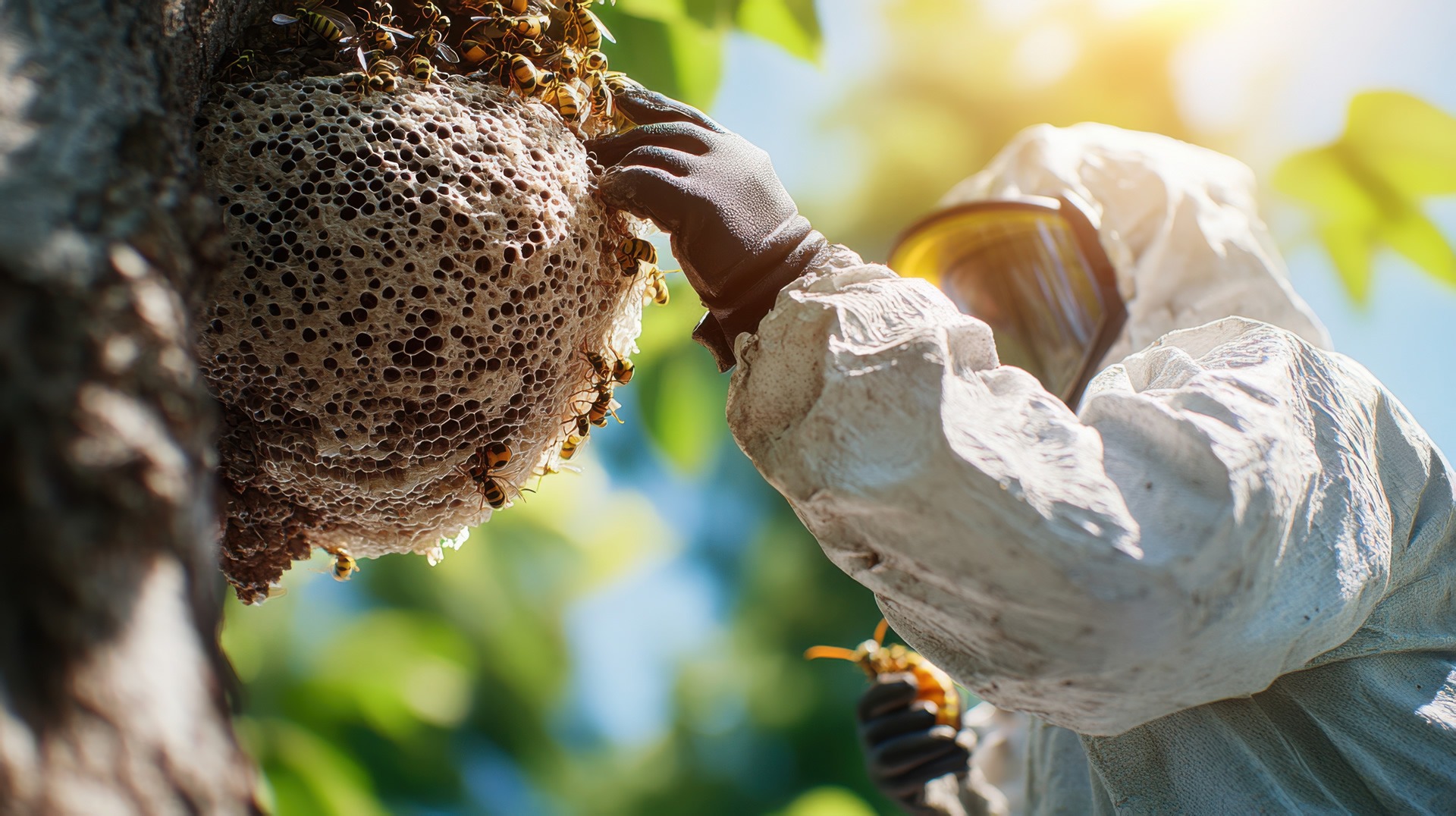
Wasps: Repeated wasp movement around a particular opening may indicate a nest in a roof space, shed, wall cavity or another sheltered location. A nest should not be disturbed by occupants.
Fleas: Fleas can become a concern in homes with pets and may be found around carpets, upholstery and animal resting areas. Repeated bites or visible insects should be investigated rather than assumed to have one particular cause.
Bed bugs: These insects may hide around mattresses, bed frames, furniture joints and nearby cracks. Their presence requires correct identification and a suitable treatment plan.
Moths and other insects: Certain moths can damage stored fabrics and clothing, while ants and flies may be attracted by food residues and waste. Regular checks of cupboards and storage areas can help identify problems.
Pigeons and squirrels: Birds may gather around roofs and ledges, while squirrels can enter roof spaces. Both may create maintenance concerns if activity continues unchecked.
Recognising the likely pest is an important first step, but professional assessment may be necessary when signs are unclear or activity keeps returning.
Protect the Building Against Unwanted Entry
A property can be clean and organised but still vulnerable if pests have easy access. Small gaps around doors, windows, pipes and external walls may provide routes into the building.
Inspect the exterior periodically, paying attention to damaged seals, loose roof tiles, gaps beneath doors and openings around utility connections. Suitable door brushes, weather seals and protective mesh can help close certain access points. Any proofing work should maintain essential ventilation and should not interfere with drainage or other building services.
Roof spaces deserve particular attention. Damaged tiles, openings beneath eaves and gaps around pipes can provide access to sheltered areas. Check lofts and garages for signs of nesting, unusual smells or damaged materials.
If rodents are already active inside the building, avoid sealing a suspected opening without understanding what is happening behind it. A professional assessment can help establish whether treatment or other measures are needed before proofing work is completed.
Maintain Good Hygiene in Kitchens and Storage Areas
Food storage and waste management are two practical areas where property owners can make a difference.
Keep dry ingredients, pet food and other edible items in sealed containers. Clean spills promptly and avoid leaving food waste in open bags. Regularly move appliances where practical to clean areas that are not normally visible.
For businesses, cleaning schedules should cover both visible and less accessible spaces. Staff should know how to dispose of waste correctly and report signs of pest activity. Food deliveries and stock should also be checked for damaged packaging or other unusual signs.
Storage areas should remain organised. Keeping goods raised from floors where practical allows easier cleaning and inspection. Avoid accumulating unnecessary cardboard and unused materials, especially in spaces that are rarely visited.
Outdoor bins should have secure lids and should be emptied regularly. Food residue around waste containers can attract pests, so the surrounding area should also be kept clean.
Why Drainage and Structural Checks Matter
Some pest problems may be connected to building defects that are not immediately visible. Drainage systems, service ducts, roof spaces and wall cavities can contain routes that are difficult to inspect through ordinary maintenance.
Recurring rat activity is one situation where investigating drainage may be worthwhile. Damaged pipes, defective connections or openings around underground services can potentially provide access routes. A CCTV drainage survey uses specialist camera equipment to inspect the inside of pipes and identify possible defects.
This type of investigation is not necessary for every rodent problem. However, where the evidence suggests a connection with drains or sewer infrastructure, inspecting the system may help identify an underlying cause.
The wider building should also be checked for leaks, damaged brickwork and gaps around utility connections. Addressing structural problems can support pest treatment and help reduce the risk of further activity.
The Importance of a Suitable Professional Treatment
Household cleaning and preventive maintenance can reduce some pest risks, but an established infestation may require specialist attention. Using an unsuitable treatment or focusing only on visible signs may leave the underlying problem unresolved.
Professional Pest Control in Braintree can help identify the pest, assess the affected areas and recommend an appropriate response. The treatment should reflect the species involved, the size of the problem and the type of property.
The Exterminator Pest Control provides services across Essex, including Braintree, for domestic and commercial customers. Its pest management work covers common problems involving rats, mice, wasps, fleas, squirrels, moths, flies, pigeons and other unwanted pests. The company also offers drainage CCTV investigations for rodent-related concerns. <Cite refs={[“turn475792search0”]}/>
Before treatment begins, property owners should understand the proposed work, preparation requirements and any safety precautions. If children, pets or food preparation areas are involved, these details should be discussed in advance.
What Landlords and Business Owners Should Consider
Pest management can involve additional responsibilities when a property is rented or used by a business. A clear process for reporting and investigating problems helps prevent delays.
Landlords and property managers should take reports seriously and arrange suitable inspections when signs of pest activity appear. They should also consider whether maintenance issues, such as damaged doors, leaking pipes or gaps in the building structure, are contributing to the problem.
Tenants can support prevention by storing food correctly, disposing of rubbish responsibly and reporting leaks or unusual activity promptly. Clear communication between occupants and property managers makes it easier to identify problems and agree on appropriate action.
Commercial premises may benefit from planned inspections and ongoing monitoring. Restaurants and food businesses should pay particular attention to hygiene, stock storage and waste arrangements. Offices and warehouses should check kitchens, loading areas, storage rooms and less frequently used spaces.
The appropriate arrangements depend on the type of business, the building and the level of risk. A consistent routine is generally more useful than waiting until an infestation disrupts normal operations.
Choosing a Local Pest Control Provider
When professional assistance is needed, property owners should look for a provider that explains the problem and treatment options clearly. It is reasonable to ask about relevant experience, qualifications, insurance, safety measures and any follow-up arrangements.
A reliable assessment should consider more than the pest itself. The professional should also look at where activity has been noticed, possible access points and conditions that could allow the problem to return.
A local Braintree Exterminator can assess the property and discuss suitable next steps. When making an enquiry, explain what has been seen, when the activity started and which areas are affected. Photographs may help where they can be taken safely.
It is also useful to mention any previous treatment and whether the problem has returned. This information can help the professional understand the situation and decide whether further investigation is appropriate.
Build Prevention into Regular Property Maintenance
Pest prevention should be an ongoing part of looking after a building. A simple monthly check can help homeowners and businesses notice changes before they become more serious.
Inspect food storage areas, waste facilities, lofts, garages and outdoor spaces. Look for droppings, damaged packaging, nesting materials, unusual smells and possible entry points. Repair leaks and damaged seals promptly, and keep clutter under control.
Seasonal maintenance is useful too. Before colder or wetter weather, check roof spaces, external walls, doors and drainage. During warmer periods, pay attention to wasp activity, flies and other insects around outdoor areas.
Keep a record of repeated sightings and maintenance work, especially in commercial or managed properties. This can help reveal patterns and make future inspections more focused.
Conclusion
A pest-free property is easier to maintain when prevention is treated as part of everyday building care. Good hygiene, secure food storage, responsible waste management and regular structural inspections can reduce many of the conditions that attract unwanted pests.
For Braintree homes and businesses, early attention is especially important when signs of rodents, wasps, fleas, bed bugs or other pests appear. Identifying the problem correctly and seeking professional advice when necessary can help property owners choose a suitable response.
By combining practical prevention with appropriate treatment, homeowners, landlords and businesses can protect their premises, reduce disruption and maintain a cleaner, more comfortable environment.
