
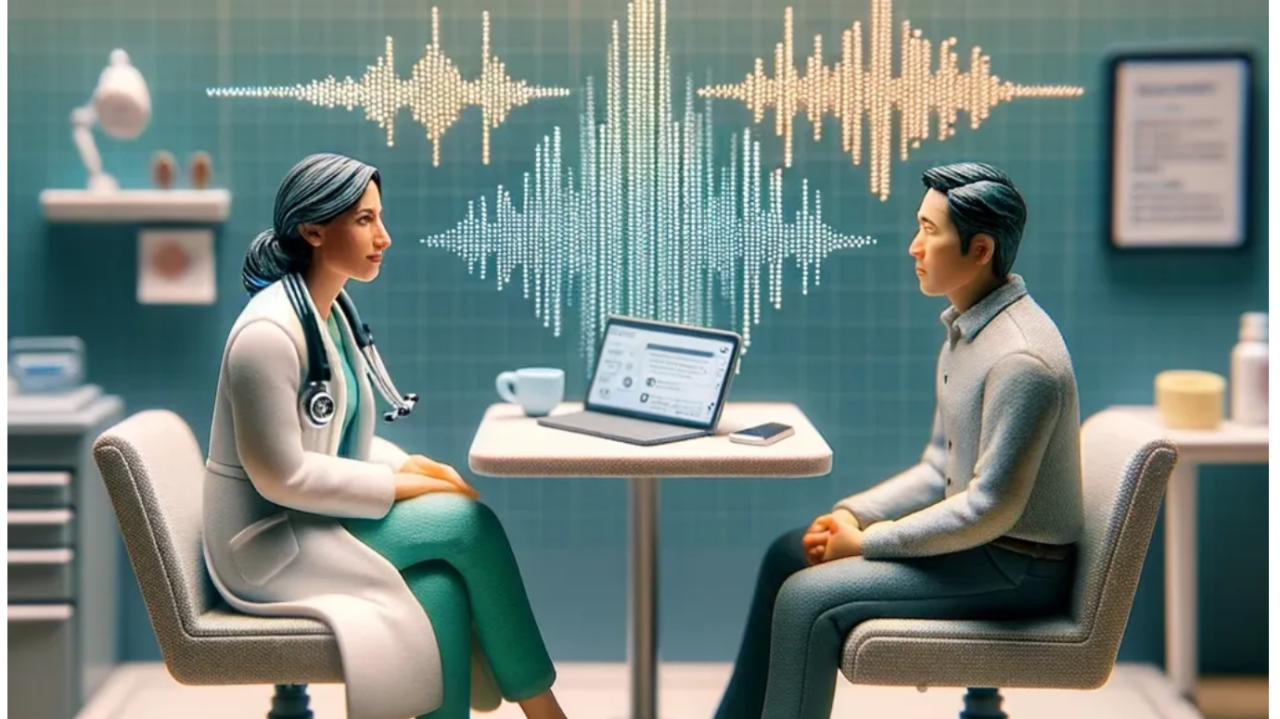
Clinical Documentation Should Feel Like Part of Care, Not Extra Work
Clinical notes are necessary, but creating them can take attention away from the patient and add more work after the consultation ends. A clinician may need to record the history, symptoms, examination findings, assessment, plan, follow-up details, referrals, and other information from a single encounter. When this happens repeatedly throughout the day, documentation can become one of the most time-consuming parts of clinical practice.
An AI medical scribe is designed to make that process easier by helping turn spoken clinical information into structured notes. Instead of spending the consultation typing or trying to remember every detail later, the clinician can focus more naturally on the conversation and review the generated documentation afterward.
ClinixSummary is built around this workflow. The platform supports live consultation capture as well as clinician dictation, helping convert spoken information into organised clinical documentation. The clinician remains in control of the final note and can review, edit, and approve the content before using it in the clinical record.
This makes the ClinixSummary AI medical scribe more than a simple transcription tool. The goal is not to copy every word that was spoken. The goal is to help organise relevant clinical information into documentation that is easier to review and use.
From Clinical Conversation to a Useful Note
A raw transcript and a useful clinical note are very different things.
A transcript records words in the order they were spoken. Clinical documentation needs structure. Symptoms should appear in the appropriate section. Examination findings should remain separate from assessment. Plans, treatment details, and follow-up instructions should be easy to identify.
A medical AI scribe can help bridge that gap by taking spoken information and organising it into a format that reflects clinical work rather than ordinary conversation.
This is where the ClinixSummary medical scribe approach becomes useful. It is designed around the idea that different healthcare encounters require different types of documentation. A general medical consultation may need one structure, while physiotherapy, speech therapy, behavioural health, or another allied-health discipline may need something different.
For clinicians, this can reduce the need to reconstruct an appointment from memory later in the day. An AI scribe for doctors can support documentation while still allowing the clinician to make the final decisions about what belongs in the record.
The same principle applies to any AI-powered medical scribe. Good technology should support the clinician’s workflow rather than add another complicated step to it.
Why Ambient Documentation Changes the Experience
Traditional dictation usually happens after the encounter. The clinician finishes seeing the patient, remembers the important details, and then dictates or types the note.
An ambient AI scribe changes that sequence.
Instead of waiting until the encounter is over, the system can work with the clinical conversation as it happens. This creates a more natural documentation workflow because the clinician does not need to switch constantly between speaking with the patient and entering information into a computer.
An ambient medical scribe can be especially useful in situations where maintaining eye contact and natural communication matters. The technology can operate more quietly in the background while the clinician concentrates on listening, asking questions, and understanding the patient.
The value of ambient clinical documentation is not simply that it captures speech. The real value is reducing the friction between the consultation and the note that must follow it.
ClinixSummary supports this kind of workflow while also allowing clinicians to use post-visit dictation when that feels more appropriate. This flexibility matters because not every clinician works in exactly the same way.
For one clinician, an ambient AI scribe may feel most natural during live consultations. Another may prefer to summarise the appointment afterward. A platform that supports both approaches can fit more easily into real clinical practice.
Better Notes Require More Than Speed
Fast documentation is useful, but speed alone is not enough.
Clinical records need to be understandable, organised, and useful to the healthcare professionals who may rely on them later. A note that is produced quickly but poorly structured can still create extra work.
This is why AI clinical documentation should focus on quality of organisation as much as speed.
ClinixSummary is designed to help create structured AI clinical notes that can be reviewed and adjusted by the clinician. This is an important distinction. The system can assist with producing the note, but the clinician remains responsible for confirming that the documentation reflects the encounter accurately.
An AI medical scribe for clinicians should support professional judgment rather than compete with it.
The clinician may need to correct wording, clarify a diagnosis, adjust a treatment plan, or remove information that is not relevant. That review step is part of responsible use, not an inconvenience.
The best medical scribe software therefore makes editing easy. It should help clinicians reach a strong final note faster while still giving them full control over the content.
One Platform for Different Clinical Specialties
Healthcare documentation is not one-size-fits-all.
A physician may need a concise history, examination, impression, and plan. A physiotherapist may need to document strength, mobility, pain, range of motion, goals, treatment response, and progress over multiple sessions. A speech therapist may record communication findings, swallowing observations, cueing levels, therapy goals, and outcomes.
That is why specialty-aware documentation matters.
An AI physiotherapy scribe should understand that a physical therapy assessment is different from a general medical consultation. An AI scribe for physical therapists should help organise information in a way that makes sense for rehabilitation, progress tracking, and treatment planning.
The same applies to an AI speech therapy scribe. Speech and language therapy has its own terminology and documentation patterns. A generic note-taking tool may capture the words, but it may not organise the encounter in a way that is useful to the clinician.
This is also where an allied health AI scribe becomes valuable. Allied-health professionals often manage large numbers of recurring appointments, progress notes, assessments, and treatment plans. Reducing repetitive documentation work can make a meaningful difference over the course of a working week.
ClinixSummary is designed to support different clinical and allied-health workflows rather than treating every appointment as the same type of encounter.
Multilingual Clinical Documentation
Healthcare often happens across more than one language.
A consultation may begin in English and move into another language. A family member may answer questions differently from the patient. A clinician may work with multilingual communities every day.
A multilingual AI medical scribe can make these situations easier to document by supporting clinical conversations that do not always stay in a single language.
ClinixSummary includes multilingual documentation support, allowing the platform to fit more naturally into practices that serve diverse patient populations.
A multilingual medical scribe can also reduce the amount of manual rewriting that may otherwise happen after the consultation. Instead of creating a note from scratch after a multilingual encounter, the clinician can begin with structured documentation and then review it.
The goal is not to replace professional communication or interpretation where those are required. The goal is to make the documentation process less fragmented.
For clinicians working across different languages, that can make a significant difference in daily workflow.
What Good Medical Scribe Software Should Actually Do
Choosing documentation technology should involve more than looking at a feature list. A system may sound impressive but still create more work if it does not fit naturally into clinical practice.
A strong documentation platform should offer:
- Structured notes: The output should look like clinical documentation, not a raw transcript.
- Clinician control: The healthcare professional should be able to review, edit, and approve the note.
- Ambient and dictation options: Clinicians should be able to document in the way that suits the encounter.
- Specialty-aware workflows: Different medical and allied-health specialties need different note structures.
- Multilingual support: Language should not become another unnecessary documentation barrier.
- Practical workflow: The system should reduce steps rather than introduce another complex administrative process.
- Clear documentation output: Notes should be easy to read, edit, and move into the clinician’s existing workflow.
These details matter more than simply producing a note quickly.
Good technology should quietly reduce work in the background.
Why ClinixSummary Is Built Around the Clinician
ClinixSummary is designed around clinical documentation rather than general-purpose transcription.
That difference influences the entire experience.
The platform can work with live consultations through an ambient AI scribe workflow or with clinician dictation after the encounter. It can then turn the spoken information into structured documentation for review.
That flexibility allows clinicians to choose the method that feels natural rather than forcing every appointment into one fixed process.
The platform also supports different specialties and allied-health disciplines. This is important because the language and structure used in healthcare can vary significantly from one profession to another.
ClinixSummary also keeps the clinician involved in the final documentation process. Notes are there to assist clinical work, not to remove professional responsibility.
This makes AI note-taking for doctors more practical. Instead of asking the technology to make clinical decisions, the clinician uses it to reduce repetitive documentation tasks while still controlling the record.
For healthcare professionals who want to explore the wider platform, clinixsummary.ai connects the different ClinixSummary documentation workflows in one place.
Ambient AI Can Reduce the Constant Screen Switching
One of the biggest frustrations with clinical documentation is not always the total number of words that need to be written. It is the constant switching of attention.
Look at the patient. Look at the screen. Ask a question. Type the answer. Return to the patient. Search for another field. Continue the consultation.
That rhythm can make a conversation feel less natural.
An ambient AI scribe is useful because it can reduce some of that switching. The clinician can pay closer attention to the discussion and deal with the structured documentation afterward.
This does not mean the screen disappears completely, and it does not mean that every note is automatically complete. Clinicians still need to review the output.
The improvement comes from changing when and how much attention is spent on documentation.
Instead of building the note line by line during the conversation, the clinician can begin with a structured draft generated from the encounter.
That can make clinical work feel less interrupted.
The Difference Between Assistance and Clinical Judgment
Healthcare technology works best when its role is clearly defined.
Documentation support is different from medical decision-making.
An AI medical scribe can help capture information, organise a note, reduce repetitive typing, and make documentation easier to complete. It should not replace the clinician’s responsibility to interpret the encounter.
That boundary matters.
A clinician may recognise that a phrase needs clarification. They may change the wording of an assessment or add information that was understood clinically but not spoken clearly during the encounter.
The final record should still reflect professional judgment.
ClinixSummary is most useful when seen as an assistant in the documentation process. It helps create the starting point, while the clinician completes the final clinical record.
That relationship keeps the technology focused on the problem it is designed to solve: documentation workload.
A Better Fit for Modern Clinical Work
Clinical care is changing, but documentation remains a major part of the job.
Clinicians now work across in-person appointments, virtual consultations, multidisciplinary teams, multilingual populations, and highly specialised services. Documentation technology needs to be flexible enough to work across these environments.
ClinixSummary brings together ambient capture, dictation, structured notes, multilingual support, and specialty-aware workflows in a single documentation platform.
For doctors, this can mean less time rebuilding notes after appointments.
For physiotherapists and other allied-health professionals, it can mean more consistent progress documentation.
For multidisciplinary teams, it can provide a more structured approach while still allowing different specialties to document in ways that make sense for them.
An ambient AI scribe fits especially well into this environment because it reduces the need for documentation to dominate the consultation itself.
The technology works best when it becomes part of the workflow without becoming the focus of the workflow.
Clinical Documentation With Less Friction
Clinical documentation will always require professional attention. The goal of technology should not be to pretend that this responsibility can disappear.
The better goal is to remove unnecessary repetition.
ClinixSummary is designed to help clinicians move from conversation to structured documentation with fewer manual steps. Live ambient capture can support natural consultations. Dictation gives clinicians another way to work when they prefer to summarise afterward. Specialty-aware note structures make the output more relevant, while multilingual support helps the platform fit a wider range of clinical environments.
For clinicians who spend too much time typing, rewriting, or finishing notes after the working day, this kind of workflow can provide a more practical alternative.
An AI medical scribe is most useful when it stays focused on documentation: listening, organising, and preparing a note that the clinician can review.
The final decision still belongs to the healthcare professional.
That is also where the value of an ambient AI scribe becomes clear. It does not need to dominate the consultation or change the relationship between clinician and patient. Its role is quieter and more useful: help reduce the documentation burden while keeping the clinician firmly in control.
