
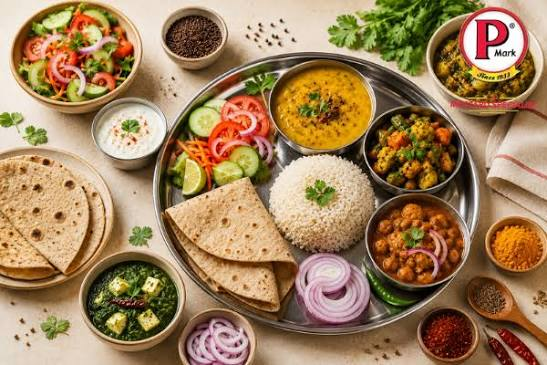
A balanced diet does not have to mean unfamiliar ingredients, expensive foods or a different meal plan every day. Many everyday Indian foods such as dal, vegetables, curd, eggs, rice, roti, millets, fruit, nuts and seeds can help make meals varied and nourishing.
The challenge is often how to combine them. A meal of rice and potato may fill you up, but it may not offer the same balance as rice with dal, vegetables and curd. And when work, family responsibilities or health concerns affect your routine, eating well can feel harder to plan.
This guide explains how to build balanced meals with familiar Indian foods, make practical changes to your daily routine and understand where supplements and personalised nutrition advice may fit.
Key Highlights
- Build meals around a grain or other staple, a protein-rich food and vegetables.
- Rotate rice, wheat, millets and other grains instead of relying on just one.
- Include dal, beans, chana, eggs, dairy, fish, chicken, tofu or other protein foods regularly.
- Choose whole fruit more often than juice, and add vegetables to meals in simple ways.
- Limit frequent intake of foods high in salt, added sugar and unhealthy fats.
- Supplements may help meet specific needs, but they do not replace a varied diet.
- A nutritionist can help adapt food choices to your goals, preferences, health needs and routine.
What Does a Balanced Indian Meal Look Like?
A balanced meal includes different food groups in a combination that suits your needs. It does not have to look identical every day.
The ICMR recommends variety across food groups and gives guidance for building balanced diets. The right portions can vary with factors such as age, activity, health and life stage.
A simple way to plan a main meal is to include:
- A staple: rice, roti, jowar bhakri, bajra roti, ragi, oats or another grain.
- A protein-rich food: dal, chana, rajma, sprouts, curd, paneer, tofu, eggs, fish or chicken.
- Vegetables: cooked sabzi, leafy greens, salad or vegetables added to dal, poha or khichdi.
- A source of healthy fat: nuts, seeds or a moderate amount of cooking oil.
For example, you might have rice, rajma, cabbage sabzi and curd. Another day, you could choose roti, egg bhurji, mixed vegetables and fruit. The aim is to include variety across the day, not to make every plate perfect.
Use Familiar Foods to Add Variety
A healthy routine can grow from foods you already eat. Small changes often feel easier to maintain than a complete overhaul.
Rotate grains and staples
Rice and wheat can both be part of a balanced diet. You can also rotate in millets such as jowar, bajra or ragi, or include oats and other whole grains. Try different options based on taste, budget and availability. If you are used to white rice, for instance, you could pair it with extra dal and vegetables rather than feeling you must stop eating it.
Add protein to everyday meals
Protein does not have to come from meat. Dal, lentils, chickpeas, kidney beans, peas, soy foods, dairy, nuts and seeds all contribute to a varied diet. Eggs, fish and chicken are options for people who include animal foods.
Try to include a protein-rich food at meals rather than leaving it until dinner. Add roasted chana to a snack, include curd with lunch, or make moong dal chilla for breakfast. Combining grains and pulses across the day can also make meals more varied.
Make vegetables easier to include
Vegetables can be part of the main dish, not just a side salad. Add peas, carrots or beans to pulao; spinach to dal; or vegetables to upma, poha and omelettes. Frozen vegetables can also be practical when fresh produce is not available or convenient.
WHO (World Health Organization) guidance encourages a varied diet built around foods such as vegetables, fruits, pulses and whole grains, while limiting excess salt, free sugars and unhealthy fats.
Choose fruit in a form you enjoy
A guava, banana, orange, papaya or seasonal fruit can make a convenient snack. Whole fruit also provides fibre, which juice may contain in smaller amounts, especially when it is strained.
Make Everyday Swaps Without Restrictions
Balanced eating is not about labelling familiar foods as “good” or “bad”. It is about noticing what you eat often and making realistic adjustments.
Instead of: tea with biscuits every evening.
Try: tea with roasted chana, peanuts or fruit on some days.
Instead of: a meal made mostly of rice or roti.
Add: dal, chana, eggs, curd, tofu or another protein food, plus vegetables.
Instead of: packaged namkeen every day.
Try: homemade chaat with chana, sprouts or fruit, while keeping salt and added chutneys moderate.
Instead of: sweetened drinks as your main source of fluids.
Choose: water more often, and have sweet drinks less frequently.
To add on, your food choices can reflect your culture, appetite, budget, cooking time and health needs. A change is more useful when it fits your real routine.
Plan for Busy Days
A balanced diet can be harder to maintain when meals are unplanned. A few simple preparations can make the next choice easier.
Cook extra dal or beans and refrigerate portions for another meal. Keep fruit, curd, roasted chana or nuts available for a quick snack. Wash and cut vegetables in advance if that helps you cook faster. When ordering food, consider adding a dal, vegetable dish, curd or egg alongside your staple.
Breakfast does not need to be elaborate. Options such as idli with sambar, vegetable poha with peanuts, besan chilla with curd or eggs with roti can provide a mix of food groups. Choose portions that suit your hunger and daily activity.
Pay attention to how your schedule affects eating. If long gaps leave you very hungry, carrying a snack may help. If late-night meals are common, preparing an earlier meal may make your day easier.
Supplements: Where They May Fit
Food should remain the foundation of a varied diet. Supplements may be useful in some situations, such as when a healthcare professional identifies a nutrient gap or when a person’s diet and circumstances make it difficult to meet a particular need. The right choice depends on the person, the supplement’s ingredients and amount, and any medicines or health conditions involved.
A supplement is not a replacement for meals, vegetables, fruit, pulses or other foods. Avoid starting several products at once or assuming that “natural” means suitable for everyone.
One of the notable brands, ZeroHarm Sciences offers a range of plant-based supplements for people exploring additional nutrition support. Read the label and seek professional advice to understand whether a product is appropriate for your individual needs.
Why Personalised Nutrition Advice Can Help
General healthy-eating guidance is a starting point. Your needs may differ depending on your health goals, food preferences, work schedule, cooking access, activity level, medical history and life stage.
Someone who eats vegetarian meals may need different planning support from someone who eats a mixed diet.
A nutritionist can help you review your current eating pattern and identify practical changes. This may include adjusting meal timing, finding protein options you enjoy, planning balanced meals on a budget or discussing whether a supplement deserves consideration.
If you want help turning your goals into realistic food choices, explore ZeroHarm’s diet consultation. A consultation can help you discuss your diet and lifestyle with a nutrition professional and consider guidance suited to your needs.
