
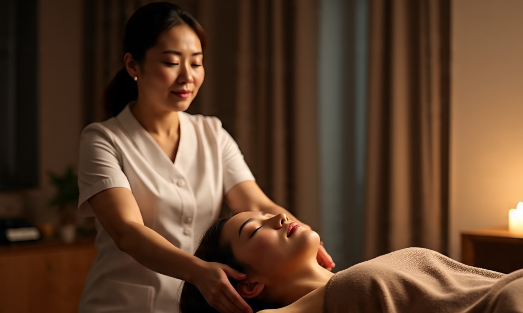
In today’s fast-paced world, achieving restful sleep and deep relaxation has become increasingly challenging. Stress, long work hours, exposure to digital devices, and hectic lifestyles can all interfere with the body’s natural ability to rest. 시흥출장마사지 Sleep deprivation and constant tension not only impact mental well-being but also reduce physical health, affecting everything from energy levels and immune function to productivity and emotional balance. While various strategies such as meditation, exercise, and dietary adjustments are often recommended to improve sleep quality, massage therapy has gained recognition as an effective, natural method for promoting both relaxation and restorative sleep. By targeting physical tension, regulating the nervous system, and enhancing mental calmness, massage provides a comprehensive approach to achieving restful nights and rejuvenated days.
Understanding Sleep and Relaxation Challenges
Sleep and relaxation are closely intertwined. Relaxation allows the body to transition from a state of heightened alertness to one of calm, while sleep restores energy, repairs tissues, and supports cognitive function. However, modern life presents numerous obstacles:
- Stress and Anxiety: Elevated stress levels increase cortisol production, keeping the nervous system in a state of high alert, making it difficult to unwind.
- Muscle Tension and Physical Discomfort: Poor posture, prolonged sitting, and physical exertion can cause stiffness, soreness, or tension that interferes with comfort while resting.
- Irregular Sleep Patterns: Work schedules, shift work, or digital distractions can disrupt natural circadian rhythms, resulting in poor-quality sleep.
- Mental Overload: Constant exposure to information, multitasking, and emotional pressures make it challenging for the mind to calm down at the end of the day.
Massage therapy addresses both the physical and psychological factors that hinder sleep and relaxation, making it an effective solution for individuals seeking improved rest and comfort.
How Massage Therapy Improves Sleep Quality
- Reduction of Stress Hormones
Massage therapy has been shown to lower cortisol levels, the primary hormone associated with stress. Elevated cortisol can interfere with the body’s ability to fall asleep and maintain deep sleep cycles. By reducing cortisol, massage promotes a calmer internal environment, making it easier for the body and mind to transition into restful sleep. - Release of Relaxation Hormones
Massage encourages the release of serotonin and dopamine, neurotransmitters linked to mood regulation and emotional well-being. Serotonin, in particular, is a precursor to melatonin, the hormone that governs sleep-wake cycles. Increased serotonin levels from massage indirectly support better sleep quality by regulating circadian rhythms and enhancing feelings of calmness and contentment. - Alleviation of Muscle Tension
Physical discomfort caused by tight muscles, knots, or soreness can make falling asleep difficult and disrupt restorative sleep. Massage techniques such as kneading, stretching, and deep tissue work relax muscles, release tension points, and improve overall flexibility. A relaxed body allows for easier adoption of comfortable sleeping positions and reduces nighttime disturbances caused by physical discomfort. - Improved Circulation and Oxygenation
Massage stimulates blood flow, delivering oxygen and nutrients to fatigued muscles while removing waste products such as lactic acid. Improved circulation contributes to faster recovery, reduced soreness, and a sense of lightness in the body—all of which promote physical relaxation conducive to better sleep. - Parasympathetic Nervous System Activation
The parasympathetic nervous system, often referred to as the “rest and digest” system, is crucial for achieving relaxation and restorative sleep. Massage activates this system, reducing heart rate, lowering blood pressure, and slowing breathing. This physiological shift helps the body enter a state of calm readiness for sleep while promoting deeper, more restorative rest.
Psychological Benefits of Massage for Relaxation and Sleep
- Calms the Mind
The mental benefits of massage are as important as the physical ones. By focusing attention on tactile sensations and the rhythm of touch, massage temporarily interrupts racing thoughts and mental overload. This mindfulness-like effect reduces anxiety and mental fatigue, making it easier to achieve a peaceful state before bedtime. - Enhances Emotional Balance
Regular massage supports emotional well-being by reducing irritability, mood swings, and anxiety. Emotional calmness contributes to sleep quality by allowing the mind to relax without being dominated by worry or stress, improving the overall quality of rest. - Promotes a Sleep-Friendly Routine
Incorporating massage therapy into a pre-sleep routine signals to the body that it is time to wind down. The physical relaxation combined with mental calmness creates a habitual transition into rest, improving sleep consistency and reducing insomnia symptoms.
Types of Massage That Promote Sleep and Relaxation
Several massage techniques are particularly effective for improving sleep and relaxation:
- Swedish Massage: Gentle strokes and light pressure relax the muscles, improve circulation, and calm the nervous system, making it ideal for enhancing sleep.
- Aromatherapy Massage: Combining essential oils such as lavender, chamomile, or sandalwood with massage can amplify relaxation and promote emotional calmness.
- Deep Tissue Massage: Targets specific muscle groups to release chronic tension, allowing the body to rest more comfortably at night.
- Hot Stone Massage: Uses heat and gentle pressure to soothe muscles, reduce tension, and induce a deep state of relaxation.
- Shiatsu and Acupressure: Stimulate pressure points to balance energy flow, relieve tension, and promote overall body relaxation conducive to sleep.
Long-Term Benefits of Regular Massage for Sleep and Relaxation
- Improved Sleep Duration and Quality
Regular massage sessions help regulate sleep patterns, allowing for longer periods of deep sleep. 안산출장안마 This results in better physical recovery, cognitive function, and energy levels during the day. - Reduction in Chronic Stress and Anxiety
Persistent stress can interfere with both relaxation and sleep. Consistent massage therapy reduces the cumulative effects of stress, leading to a more relaxed state of mind and a decreased likelihood of insomnia. - Enhanced Physical Comfort
Chronic tension, stiffness, and muscle soreness can accumulate over time, disrupting comfort and rest. Massage maintains muscle suppleness, improves flexibility, and alleviates discomfort, creating a body that is physically ready for restful sleep. - Holistic Well-Being
Massage supports both mental and physical health, contributing to overall life satisfaction. Individuals experience improved mood, reduced tension, better focus, and heightened energy—all of which are enhanced by sufficient restorative sleep.
Practical Tips for Maximizing Sleep Benefits Through Massage
- Schedule Sessions Close to Bedtime: Receiving massage in the evening can help the body and mind transition into a sleep-ready state.
- Create a Relaxing Environment: Dim lighting, calming music, and aromatherapy enhance relaxation effects and encourage sleepiness.
- Hydrate Well: Drinking water before and after massage supports circulation, lymphatic flow, and detoxification, which can enhance relaxation.
- Combine With Gentle Stretching or Meditation: Post-massage relaxation techniques reinforce calmness and prepare the body for restorative sleep.
- Consistent Routine: Regular massage sessions, such as weekly or bi-weekly appointments, maintain both physical and mental readiness for sleep.
Conclusion
Massage therapy is a natural and effective method for improving both sleep and relaxation. By addressing the root causes of physical discomfort, reducing stress hormones, enhancing circulation, and promoting parasympathetic nervous system activity, massage helps individuals achieve a state of deep calm and comfort. Its effects extend to emotional balance, mental clarity, and the establishment of healthy pre-sleep habits, resulting in better sleep quality and overall well-being.
For anyone struggling with insomnia, tension, or a restless mind, incorporating massage into a regular self-care routine provides a holistic solution that benefits both body and mind. Beyond immediate relief, massage promotes long-term improvements in sleep, relaxation, and life quality. By supporting physical recovery, calming the nervous system, and enhancing mental tranquility, massage therapy ensures that individuals can enjoy nights of restorative rest and wake up rejuvenated, energized, and ready to face the challenges of their day.
