
More people than ever are losing large amounts of weight, and many are doing it faster than was possible a decade ago. GLP-1 medications such as semaglutide and tirzepatide, along with bariatric procedures like gastric sleeve and bypass, can take off tens of kilograms within a year or two. What often comes as a surprise is what is left behind: skin that has been stretched for years and no longer has the elasticity to shrink back.
Longer combined body-contouring operations call for full hospital backup
Loose skin after major weight loss is not a failure of diet or exercise. It is a structural change in the skin, and for many people it causes rashes, chafing, hygiene problems and difficulty finding clothes that fit. Body contouring surgery addresses this, but timing, planning and setting all influence how safely it goes and how well results hold.
Why the skin does not bounce back
Skin relies on collagen and elastin fibres to stretch and recover. Long-term stretching damages and thins those fibres. Age, genetics, sun exposure, smoking and years spent at a higher weight all affect how much recovery is possible, and rapid weight loss gives the skin even less time to adapt.
Exercise builds muscle but cannot remove excess skin. Non-surgical tightening can help mild cases, but once there is an overhanging fold of tissue, surgical removal is usually the only reliable option.
The “Ozempic face” question
“Ozempic face” is an informal term, not a diagnosis. It describes the hollow cheeks, deeper folds and loose jawline and neck skin that can follow fast weight loss. The drug does not act on the face directly; the same changes can follow weight loss by any method, because facial fat shrinks along with fat elsewhere.
Treatment can range from fat transfer to restore volume, to a facelift or neck lift when the skin has genuinely descended. As with the body, facial work is usually considered once weight has settled.
When should weight be stable before surgery?
A common guideline is six to twelve months at a steady weight. After bariatric surgery, many patients reach that point a year or more after their operation. Operating while weight is still falling means the result can loosen again, and the body may lack the nutritional reserves needed for good healing.
GLP-1 users have an extra consideration. These medications slow stomach emptying, which matters for anaesthesia. Anyone taking them should tell their surgeon and anaesthetist well in advance and follow specific instructions about pausing the medication. It is also worth considering whether the drug will be continued long term, since stopping it can lead to weight regain that affects the result.
The main procedures
Body contouring is a group of operations, planned around where the excess skin sits and what bothers the patient most.
- Abdominoplasty and apronectomy. An apronectomy (panniculectomy) removes the overhanging apron of skin and fat from the lower abdomen, mainly for comfort and hygiene. A tummy tuck goes further, tightening the abdominal muscles and reshaping the waist. An extended tummy tuck carries the incision around the flanks.
- Lower body lift. This removes a circumferential band of skin around the waist, lifting the buttocks, outer thighs and abdomen in one operation. It is one of the larger procedures in plastic surgery.
- Arm lift (brachioplasty). Removes hanging skin from the upper arm, leaving a scar along the inner arm.
- Thigh lift. Addresses loose skin on the inner thighs, which is a common source of chafing.
- Breast lift or male chest contouring. Weight loss often leaves breasts deflated and lower on the chest. A lift, sometimes with an implant or fat transfer, restores shape. Men may need excision of loose chest skin.
Scars are unavoidable. Surgeons place them where clothing can usually cover them, and they fade over a year or more, but they are permanent. Patients effectively exchange loose skin for a scar.
Staging: why not do everything at once?
In practice, the total surgery is often split into two or three stages several months apart. Combining a lower body lift with an arm lift and breast surgery can mean many hours under anaesthesia, more blood loss, a greater risk of clots and a harder recovery. Staging keeps each operation within safer limits.
A typical sequence starts with the area causing the most functional trouble, often the abdomen and lower body, with arms, thighs, breasts or face following later. The right order is something to work out with the operating surgeon.
Nutrition and recovery
Wound healing depends on protein, iron, zinc and vitamins, and people who have had bariatric surgery or eaten very little on GLP-1 medications are more likely to be low in these. Pre-operative blood tests can pick up deficiencies to correct first. Stopping nicotine is also essential, because it restricts blood flow to the skin edges.
Recovery involves compression garments, sometimes drains, early walking to reduce clot risk, and limits on lifting and strenuous exercise for several weeks. Wound separation and seromas (fluid collections) are among the more common problems after large skin excisions, which is why follow-up visits during the early weeks matter.
Why longer operations belong in a hospital
A lower body lift or combined procedure is a significant physiological stress, and the uncommon but serious risks, including bleeding, clots and anaesthetic complications, need immediate specialist care. Operating within a full hospital, with an intensive care unit and on-call specialists in the same building, means those situations can be managed without a transfer.
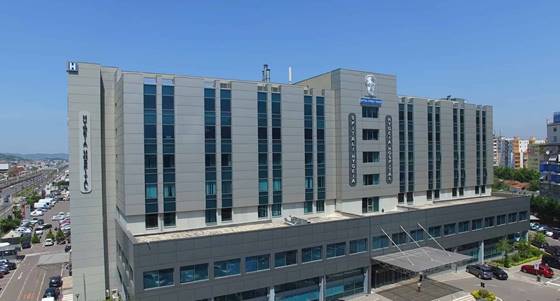
This is one reason some patients travelling abroad look specifically at hospital-based departments. Hygeia Plastic Surgery, for example, operates inside Hygeia Hospital in Tirana, which has nine operating theatres with ICU backup and is part of the Hygeia Greece network. Its post-weight-loss work includes body contouring, apronectomy and facial contouring, and the hospital advises that patients plan to stay roughly 10 to 14 days after body contouring before flying home.
Whichever route a patient chooses, the questions are the same: how long to wait after weight stabilises, whether the plan is staged, what overnight monitoring is available and who handles follow-up at home. Those travelling for treatment can arrange an initial video consultation with the plastic surgery department at Hygeia Hospital in Tirana or elsewhere to get a realistic plan before booking flights.
Anyone considering body contouring after major weight loss should discuss their weight history, medications and health with a qualified plastic surgeon before making a decision.
