
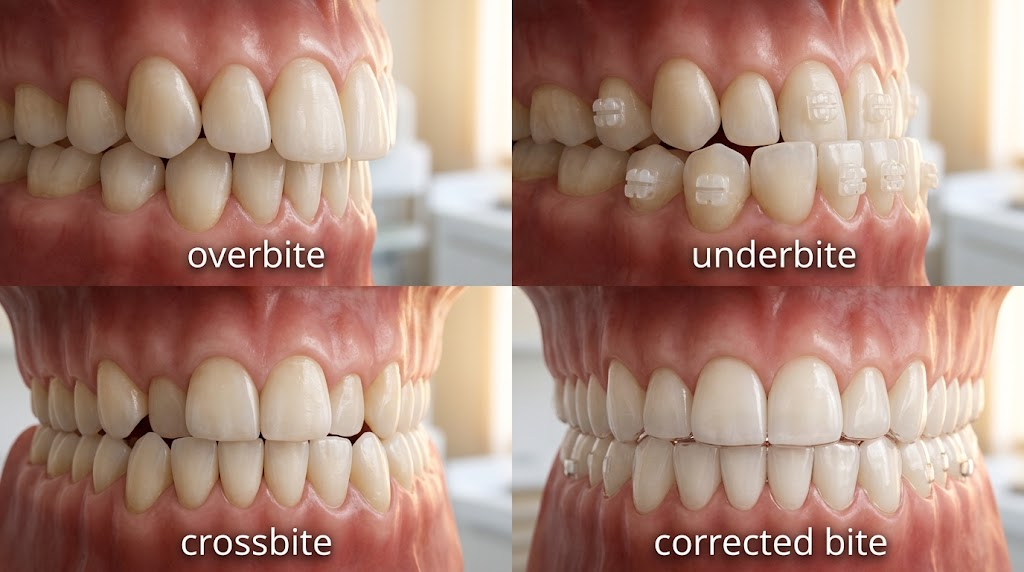
Bite issues are common dental concerns that affect both aesthetics and oral function. Understanding the different types of bite problems and the orthodontic methods used to address them is essential for maintaining long-term dental health. This article explores the various bite issues and details how modern orthodontic treatments, including options to fix an overbite or crossbite, can effectively resolve these conditions.
What Are Bite Issues?
A bite problem, medically referred to as malocclusion, occurs when teeth do not align properly when the jaws are closed. This misalignment can create discomfort, affect chewing and speaking, and contribute to dental wear and gum issues. Bite issues range from mild irregularities to severe misalignments that require professional intervention.
Types of Bite Issues
Common bite problems include the following:
Overbite
An overbite occurs when the upper front teeth excessively overlap the lower teeth. This can lead to damage to the lower front teeth and may affect jaw function.
Underbite
In an underbite, the lower teeth protrude beyond the upper front teeth, often resulting in a protruding chin and difficulties with biting and speaking.
Crossbite
A crossbite happens when some of the upper teeth sit inside the lower teeth rather than outside when the jaws are closed. This can affect both the front and back teeth and may cause asymmetry in jaw growth.
Open Bite
An open bite is characterised by a gap between the upper and lower front teeth when the mouth is closed, often causing problems with biting into food.
Crowding and Spacing
While not strictly bite issues, crowding and spacing of teeth can influence bite alignment and complicate oral hygiene.
Causes of Bite Problems
Several factors contribute to the development of bite issues. Genetic predisposition plays a significant role, impacting jaw size and tooth alignment. Childhood habits such as thumb sucking, prolonged pacifier use, or tongue thrusting may also result in malocclusion. Additionally, premature loss of baby teeth or trauma to the jaws can affect normal dental development.
The Importance of Treating Bite Issues
Addressing bite problems is crucial for preventing long-term dental complications. Misaligned teeth increase the risk of tooth decay, gum disease, excessive tooth wear, and temporomandibular joint disorders. Proper alignment enhances oral function, facilitates effective cleaning, and improves overall facial aesthetics.
Orthodontic Solutions for Bite Problems
Orthodontics offers a range of treatments tailored to correct bite issues depending on their type and severity. The primary goal is to reposition teeth and jaws to achieve optimal function and appearance.
Invisalign and Clear Aligners
Clear aligners are a discreet treatment option for mild to moderate bite problems. These custom-made devices gradually shift teeth into place without the need for brackets or wires. Invisalign can be specifically used to fix an overbite or crossbite effectively in appropriate cases, making it a popular choice among adults and teens.
Metal Braces
Traditional metal braces remain one of the most reliable methods for treating severe or complex bite issues. These braces use brackets and wires to gradually move teeth into correct alignment while providing precise control over tooth movement. Advances in orthodontic technology have improved their comfort and aesthetics.
Ceramic and Lingual Braces
Ceramic braces use tooth-coloured materials for a less visible appearance, while lingual braces are attached behind the teeth, making them virtually invisible. These alternatives provide options for those seeking less conspicuous treatments.
Functional Appliances
Some bite issues related to jaw growth discrepancies may require the use of functional appliances. These are designed to encourage or restrict jaw development and are often used in growing children.
Choosing the Right Orthodontic Treatment
Selecting an appropriate treatment involves a comprehensive assessment by an orthodontist. Factors such as the patient’s age, bite problem severity, dental health, and personal preferences influence the decision. Treatment plans are customised to ensure effective correction with minimal discomfort.
Orthodontic Treatment Process
The initial step typically involves a thorough examination, including X-rays, photographs, and dental impressions or digital scans. Following diagnosis, the orthodontist will discuss treatment options, timelines, and expected outcomes.
Treatment duration varies depending on the complexity of the bite issue and the method chosen. Regular follow-up appointments monitor progress and adjust appliances as needed. Post-treatment, retainers are usually prescribed to maintain the newly achieved alignment.
Benefits of Orthodontic Correction
Correcting bite problems through orthodontics offers numerous advantages. These include improved oral hygiene due to easier cleaning, enhanced chewing efficiency, reduced risk of dental injury, and better speech clarity. Additionally, patients often experience increased confidence resulting from a more attractive smile.
Norwest Orthodontics: Expert Care
Norwest Orthodontics specialises in diagnosing and treating a wide range of bite issues using advanced orthodontic techniques. Their experienced team provides personalised treatment plans to ensure optimal results for patients of all ages. By utilising up-to-date technology and comprehensive care, they strive to improve both function and aesthetics effectively.
Conclusion
Bite issues can significantly impact oral health and quality of life, but effective orthodontic treatments are readily available. Whether through clear aligners, metal braces, or other specialised appliances, addressing malocclusion can restore proper function and enhance smile aesthetics. Consultation with a qualified orthodontist is the key to identifying the most suitable treatment approach to resolve bite problems successfully.
