
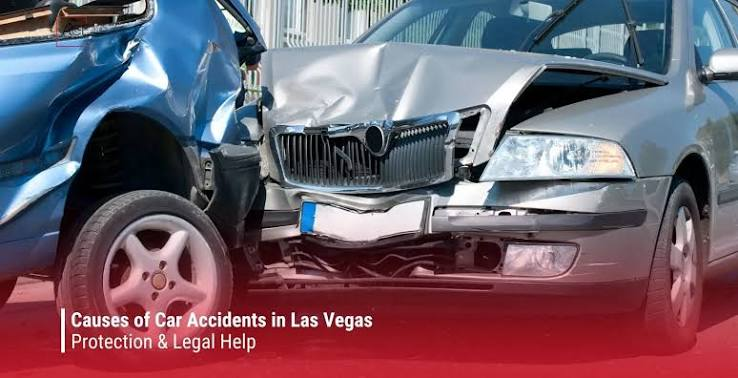
You might be replaying the moment over and over in your mind. One second you were just driving on US-19, maybe heading home from work or taking the kids somewhere, and the next second there was screeching, impact, confusion, and pain. Now you are left with a damaged car, medical appointments, and a lot of questions about what really happened, how Weber Law Firm can help, and what you are supposed to do next.
If you feel overwhelmed, angry, or even a little numb, that is a normal reaction. Crashes on US-19 are common, but that does not make your experience any less personal. You may be wondering if the other driver could have avoided this, if the road itself is unsafe, and whether anyone will actually listen to your side of the story.
At a high level, most crashes on US-19 come down to a few repeating patterns. Drivers are distracted. They speed. They misjudge turns or lane changes. Sometimes poor road design or heavy traffic makes everything worse. Understanding these common causes can help you make sense of what happened to you and can also matter a lot when it is time to deal with insurance or talk to a personal injury lawyer.
So where does that leave you right now. You need clarity on why these wrecks happen so often on US-19, how that connects to your injuries and losses, and what steps you can start taking to protect yourself.
Why are crashes so common on US-19, and what does that mean for your case
US-19 is not just another road. In many stretches it is a busy, multi-lane highway with a mix of local traffic, out-of-town drivers, commercial trucks, and people who know the area so well they start to drive on autopilot. That mix creates a perfect storm for the most common causes of collisions on this route.
One of the biggest causes is distraction. Think about how often you see someone looking at a phone, fiddling with the GPS, reaching for something in the seat, or turning around to speak to a passenger. On a road like US-19, where traffic can shift from stop-and-go to high speed quickly, a few seconds of distraction can mean a rear-end crash, a sideswipe, or a car drifting into oncoming lanes. If your crash happened in heavy traffic and you never even saw it coming, distraction may have played a major role.
Speeding is another frequent factor. Many drivers on US-19 push over the limit to make up time. Others drive too fast for conditions when it is raining, dark, or congested. High speed reduces reaction time and turns what might have been a minor bump into a serious collision. If your vehicle was pushed far forward, spun around, or if your airbags deployed, there is a good chance speed had something to do with the severity of your injuries.
Lanes and turns on US-19 also cause problems. There are lots of driveways, side streets, and turn lanes feeding into the main flow of traffic. Drivers often misjudge gaps, cut across several lanes at once, or make sudden left turns. That leads to T-bone crashes and dangerous angle impacts. If your collision happened near an intersection or where multiple lanes merge, this type of driver error may be at the heart of what happened.
You may be wondering whether the design of US-19 or traffic patterns are also part of the story. Data matters here. Resources like the Florida Department of Transportation’s crash data and mapping tools and similar systems in other states, such as Pennsylvania’s online crash information portal, show how certain segments of busy highways consistently see higher crash numbers because of congestion, access points, or limited visibility.
So what does all this mean for you. When a lawyer or investigator looks at your collision, they are not just asking who hit whom. They are looking at whether the other driver was distracted, speeding, following too closely, or making an unsafe turn, and also whether the road design and traffic conditions contributed. All of that can affect who is found at fault, how much insurance should pay, and how your injuries are valued.
How do common causes of US-19 accidents affect your stress, health, and money
Understanding the causes is not just a technical exercise. It connects directly to the emotional and financial strain you are feeling right now.
On the emotional side, you might be dealing with fear every time you get near US-19 again. Maybe you hesitate before changing lanes or you feel your heart race when traffic suddenly slows. If you know your crash was caused by someone who was texting or speeding, that can add a sense of injustice. It was not just “bad luck.” It was a choice that someone made that put you in harm’s way.
Financially, the cause of the wreck is often the key to getting your bills paid. If the other driver was careless, their insurance should cover your medical care, lost wages, and other damages. But insurance companies often try to downplay the cause. They might say you stopped too suddenly, that you “should have seen them,” or that it was just a simple fender bender. When the cause is framed that way, it can reduce what they offer you.
Imagine two scenarios on US-19. In the first, a distracted driver slams into your car at a red light because they are looking at a text. In the second, a driver is weaving in and out of lanes at high speed, then cuts you off and causes a multi-car pileup. Both involve negligence, but the second might involve more severe injuries, greater damage, and possibly multiple insurance policies. The clearer the cause, the stronger your claim can be.
This is where an experienced personal injury lawyer often becomes important. When you are trying to heal, gather paperwork, talk to your employer, and deal with everyday life, you do not have the time or energy to piece together traffic data, witness statements, and medical records. A lawyer can connect the dots between how the crash happened on US-19 and what that means for your recovery and your claim.
Should you handle a US-19 crash claim alone or get help from a lawyer
You might be wondering whether you should try to deal with the insurance company yourself or whether you should reach out for legal help. The answer depends on the seriousness of your injuries, the complexity of the crash, and how comfortable you feel standing up to insurers.
The table below compares handling a claim on your own with working with an attorney when you are dealing with US-19 collision causes like distraction, speeding, or unsafe turns.
| Issue | Handling Claim On Your Own | Working With a Personal Injury Lawyer |
|---|---|---|
| Proving what caused the crash | You rely mostly on your memory and the police report. It can be hard to get traffic camera footage, phone records, or expert input. | Lawyer can request records, review crash data, and work with experts to show distraction, speeding, or unsafe maneuvers on US-19. |
| Dealing with insurance companies | You speak directly with adjusters who may pressure you to accept a quick, low offer or say something that hurts your claim. | Lawyer speaks for you, manages negotiations, and pushes back when the insurer ignores clear causes of the collision. |
| Valuing your injuries and losses | You may focus on current bills and car repairs, and overlook long-term treatment, lost earning capacity, or pain and suffering. | Lawyer considers current and future medical needs, lost income, and how the crash changes your daily life. |
| Time and stress | You juggle forms, deadlines, and phone calls while trying to recover physically and emotionally. | Lawyer handles the legal burden so you can focus more on healing and your family. |
| Outcome | Some people do fine in very minor crashes. In more serious cases, they often accept less than the claim is worth. | In serious US-19 crashes, legal help often leads to stronger evidence and better settlement results. |
If your crash involved any of the common causes of accidents on US-19, especially high speeds, heavy traffic, or disputed fault, you do not have to go through this alone. Help is available and you are allowed to ask for it.
Three practical steps you can take today after a US-19 crash
Even if you are still in pain or waiting for answers, there are a few things you can start doing now that will protect you later.
1. Get thorough medical care and follow up
Even if you walked away from the scene, pain can show up hours or days later. Go to a doctor, urgent care, or emergency room and describe exactly what happened on US-19 and how your body feels. Mention any headaches, neck or back pain, numbness, dizziness, or trouble sleeping. Follow your doctor’s instructions and keep copies of all records. These records connect your injuries directly to the crash and can be powerful evidence when there is any dispute about the cause.
2. Write down what you remember about the cause
Memories fade quickly, especially when you are under stress. As soon as you can, write or record a detailed description of what you saw and heard before, during, and after the impact. Did you notice the other driver on a phone. Were they weaving or speeding. Did traffic suddenly slow on US-19. Were there skid marks, weather issues, or confusing signs. Include names and contact information for any witnesses if you have them. This personal record can help your attorney or insurer understand how the crash really happened.
3. Speak with a personal injury lawyer before signing anything
Insurance companies may contact you quickly and push for a recorded statement or a fast settlement. That can be tempting if you are worried about bills, but once you settle, you usually cannot go back for more, even if your injuries turn out to be worse than you first thought. Talking with a lawyer who understands highway accident causes on US-19 can help you understand the true value of your claim and the risks of accepting an early offer. Most initial consultations are free, so you can get informed before you make any decisions.
Finding your way forward after a US-19 collision
You did not choose to be hit on US-19. You did not choose the pain, the disruption, or the uncertainty that followed. What you can choose now is how you respond and who stands beside you while you do it.
Understanding the common causes of accidents on US-19 gives you more than just facts. It gives you a clearer story of what happened to you and why it matters. From distracted drivers to unsafe turns and speeding traffic, these are not random events. They are patterns that can be proven, challenged, and used to support your recovery.
You deserve to have your side heard. You deserve medical care that is not limited by what an insurance company wants to pay. You deserve time to heal without carrying the full financial weight of someone else’s careless choices.
If you feel uncertain about your next step, reach out to a trusted personal injury lawyer in your area who understands US-19 and similar highways. Share your story. Ask your questions. You are not asking for a favor. You are asking for fairness and for help standing up for yourself after a collision that never should have happened.
Contact an Attorney in Florida
Weber Injury Law
7710 Massachusetts Avenue
New Port Richey, Florida 34653
