
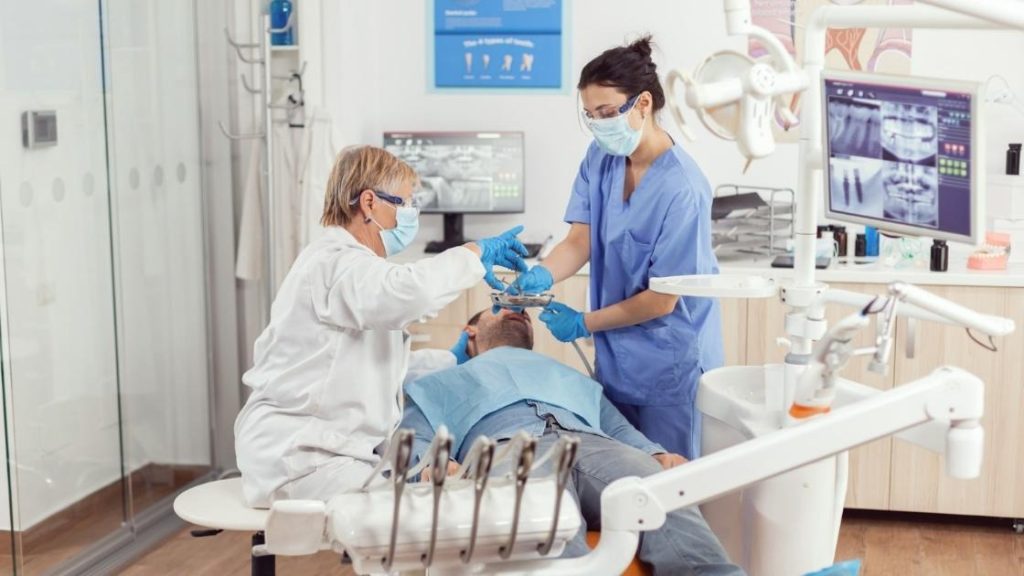
Have you ever wondered where your crown, bridge, or denture actually comes from? It’s not made in your dentist’s office. It’s made in a dental lab.
Dental labs are the hidden heroes of modern dentistry. They work behind the scenes. But their work directly affects your smile, your bite, and your confidence.
In this guide, we will explain everything about dental labs. We will keep it simple. No confusing jargon. Just clear, useful information.
What Is a Dental Lab?
A dental lab is a facility where dental technicians create custom dental products. These products include:
- Crowns
- Bridges
- Dentures
- Veneers
- Dental implants (restorations)
- Orthodontic appliances
- Night guards and mouthguards
Dentists send patient impressions or digital scans to the lab. Skilled technicians then build the product to match the exact shape and size needed.
This teamwork between dentist and lab is what makes your dental work fit perfectly.
Why Dental Labs Matter So Much
Many people think the dentist does everything. But that’s not true. The dentist takes measurements and fits the final product. The lab actually crafts it.
Here’s why dental labs matter:
- Precision – A small error can cause pain or a bad bite.
- Material quality – Labs choose safe, durable materials.
- Aesthetics – A good lab makes teeth look natural.
- Speed – Modern labs use technology to work faster.
- Customization – Every mouth is different. Labs personalize each product.
Without a skilled dental lab, even the best dentist cannot deliver great results.
Types of Dental Labs
Not all dental labs are the same. Here are the main types:
- In-house labs – Located inside a dental clinic. Fast turnaround.
- Commercial labs – Independent labs that serve many clinics.
- Specialty labs – Focus on one product, like implants or orthodontics.
- Digital labs – Use 3D printing and CAD/CAM technology.
Each type has its own strengths. Some clinics use more than one lab depending on the case.
Common Services Offered by Dental Labs
Let’s break down the most common services:
1. Crowns and Bridges
These restore damaged or missing teeth. Labs use materials like porcelain, zirconia, or metal alloys.
2. Dentures
Full or partial dentures replace missing teeth. Labs custom-fit them for comfort.
3. Veneers
Thin shells placed on teeth for a better smile. Labs shape them to match natural teeth.
4. Implant Restorations
Labs create the crown or bridge that attaches to the implant post.
5. Orthodontic Devices
Retainers, aligners, and other devices used after braces.
6. Night Guards
Protect teeth from grinding during sleep.
How Technology Is Changing Dental Labs
Dental labs are not old-fashioned anymore. Technology has changed everything.
- 3D Printing – Faster and more accurate than old methods.
- CAD/CAM Software – Designs are made on a computer, not by hand.
- Digital Scanners – No more messy putty impressions.
- AI-Assisted Design – Helps predict the best fit and shape.
- Milling Machines – Cut materials with high precision.
These tools reduce human error. They also make the process faster for patients.
How to Choose the Right Dental Lab
If you are a dentist, or even a patient asking questions, here are key points to check:
- Certifications – Does the lab follow safety and quality standards?
- Experience – How many years have they been in business?
- Technology used – Do they use modern digital tools?
- Turnaround time – Can they deliver on schedule?
- Material sourcing – Are materials biocompatible and tested?
- Reviews and reputation – What do other dentists say?
- Communication – Do they respond quickly to questions?
A good lab should feel like a partner, not just a supplier.
Common Mistakes to Avoid
Here are mistakes people often make when dealing with dental labs:
- Choosing a lab only because it’s cheap.
- Ignoring turnaround time and rushing deadlines.
- Not checking material safety certificates.
- Failing to communicate clearly about shade and fit.
- Skipping quality checks before delivery.
Avoiding these mistakes saves time, money, and stress.
Benefits of Working with a Trusted Dental Lab
Here’s what you gain from a reliable lab:
- Better patient satisfaction
- Fewer remakes and adjustments
- Stronger dentist-patient trust
- Consistent quality across cases
- Long-term cost savings
A trusted lab becomes a long-term partner for any dental practice.
The Future of Dental Labs
The dental lab industry keeps growing. Experts expect these trends:
- More use of AI in designing restorations.
- Faster same-day crown production.
- Eco-friendly materials becoming more common.
- Fully digital workflows replacing manual methods.
- Remote collaboration between dentists and labs worldwide.
Dental labs are becoming smarter, faster, and more connected than ever.
Frequently Asked Questions
What does a dental lab technician do?
They design and build dental products like crowns, bridges, and dentures based on dentist instructions.
How long does a dental lab take to make a crown?
It usually takes a few days to two weeks, depending on the lab and case complexity.
Are dental lab products safe?
Yes, if the lab uses certified materials and follows proper quality checks.
Can patients visit a dental lab?
Usually, no. Most communication happens through the dentist.
Do all dentists use the same lab?
No. Dentists often choose labs based on quality, price, and specialty needs.
Final Thoughts
Dental labs play a quiet but powerful role in dentistry. They turn a dentist’s plan into something real, something that fits perfectly in your mouth.
Choosing the right lab is not just a business decision. It’s a decision that affects real patients and real smiles.
Whether you are a dental professional or a curious patient, understanding dental labs helps you appreciate the full picture of dental care.
