
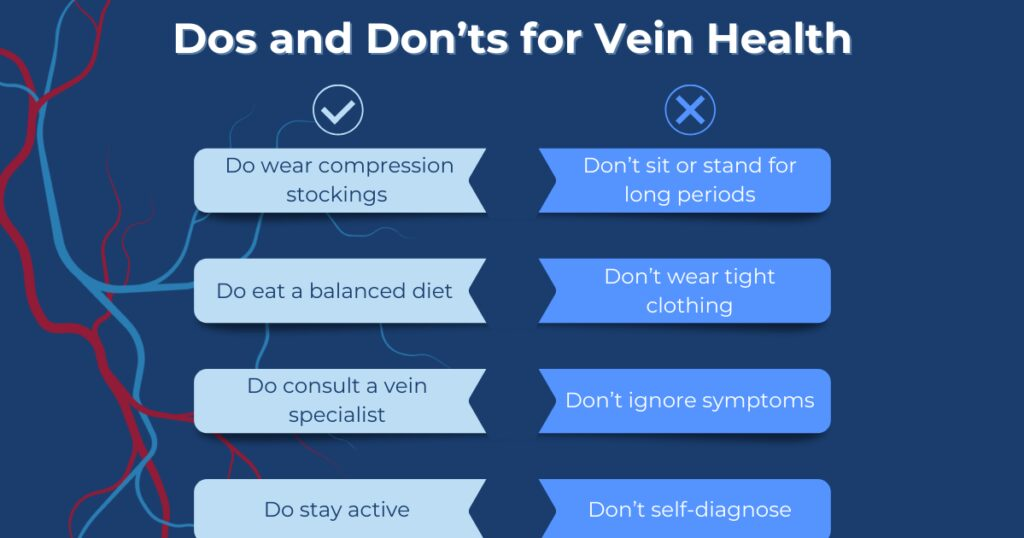
Vein health is an essential yet often overlooked part of overall wellness. The circulatory system works continuously to deliver oxygen, nutrients, and vital compounds throughout the body while removing metabolic waste. When this system functions efficiently, individuals typically experience better energy levels, improved physical comfort, and stronger cardiovascular health. However, when circulation becomes compromised, particularly within the veins of the lower body, it can lead to discomfort, swelling, fatigue, and visible conditions such as varicose veins.
In recent years, healthcare professionals and wellness advocates have begun emphasizing a more holistic approach to vascular health. Rather than focusing solely on medical treatments, modern care increasingly integrates natural wellness strategies with advanced medical solutions. This combined approach recognizes that lifestyle habits, nutrition, physical activity, and preventive care all play significant roles in maintaining healthy veins.
By blending natural health practices with the benefits of modern vascular medicine, individuals can support circulation more effectively and address vein-related issues with a comprehensive strategy.o
Understanding the Importance of Vein Health
The human circulatory system consists of arteries, veins, and capillaries that work together to move blood throughout the body. While arteries carry oxygen-rich blood away from the heart, veins are responsible for returning oxygen-depleted blood back to the heart for recirculation.
Veins in the legs must overcome the challenge of gravity in order to move blood upward. To accomplish this, they rely on small one-way valves that prevent blood from flowing backward. Muscles in the legs, particularly the calf muscles, also assist circulation by contracting and pushing blood through the veins.
When these valves weaken or circulation slows down, blood may begin to pool within the veins. This increased pressure can cause veins to enlarge, twist, and become visible beneath the skin. Over time, this condition may develop into varicose veins or chronic venous insufficiency.
Maintaining strong circulation and healthy vein function is therefore essential for long-term vascular wellbeing.
Lifestyle Factors That Influence Circulation
Lifestyle habits play a powerful role in supporting or hindering healthy circulation. Modern routines often involve prolonged sitting, limited physical activity, and increased exposure to stress, all of which can negatively affect vascular health.
Regular movement is one of the most effective ways to maintain healthy blood flow. Activities such as walking, cycling, and swimming stimulate the muscles that assist venous circulation. When these muscles contract, they help pump blood back toward the heart, reducing the risk of blood pooling in the lower limbs.
Maintaining an active lifestyle not only improves circulation but also supports cardiovascular health, muscle strength, and metabolic balance. Even small daily movements, such as stretching or taking short walks, can significantly improve circulation over time.
Nutrition and Natural Support for Vein Health
Diet plays an equally important role in maintaining healthy veins. Foods rich in vitamins, antioxidants, and anti-inflammatory compounds help strengthen blood vessels and protect them from damage caused by oxidative stress.
Vitamin C, found in citrus fruits and leafy vegetables, supports the production of collagen, which helps maintain the structural integrity of blood vessel walls. Flavonoid-rich foods such as berries and grapes may also contribute to improved vascular function by enhancing blood vessel elasticity.
Healthy fats from sources such as nuts, seeds, and olive oil support cardiovascular health and help regulate cholesterol levels. Whole grains and fiber-rich foods can also improve metabolic health, which indirectly supports circulation.
A balanced diet that emphasizes whole, natural foods provides the body with the nutrients necessary to maintain strong blood vessels and healthy circulation.
Hydration and Its Role in Circulatory Health
Proper hydration is another key component of holistic vein health. Water plays a vital role in maintaining blood volume and supporting efficient circulation throughout the body. When the body is dehydrated, blood can become slightly thicker, making it more difficult for the circulatory system to function smoothly.
Drinking adequate amounts of water throughout the day helps maintain optimal blood flow and supports overall cardiovascular function. Hydration also assists the body in regulating temperature, transporting nutrients, and removing waste products.
Simple habits such as carrying a reusable water bottle or drinking water before meals can help individuals maintain consistent hydration levels.
Stress Management and Vascular Wellness
Chronic stress can influence many aspects of physical health, including circulation. When the body experiences stress, it releases hormones that may cause blood vessels to constrict and blood pressure to increase. Over time, these effects can contribute to vascular strain and reduced circulation efficiency.
Holistic wellness approaches often incorporate stress management techniques to support overall health. Practices such as meditation, deep breathing exercises, and mindfulness have been shown to promote relaxation and support healthy cardiovascular function.
Yoga is another popular practice that combines gentle movement, stretching, and controlled breathing. These elements work together to encourage better circulation while also reducing stress levels.
By addressing both physical and emotional health, holistic approaches create a supportive environment for long-term vascular wellbeing.
Natural Remedies and Traditional Wellness Practices
Throughout history, many cultures have relied on herbal remedies and traditional wellness practices to support circulatory health. Certain herbs have been studied for their potential ability to strengthen blood vessels and improve vein function.
For example, horse chestnut extract has been widely researched for its potential role in supporting venous tone and reducing swelling associated with varicose veins. Butcher’s broom and other botanical extracts are also believed to support circulation and vascular strength.
While these remedies may provide supportive benefits, they should be used responsibly and ideally under the guidance of a healthcare professional. Combining natural approaches with evidence-based medical care often produces the most reliable results.
Modern Medical Treatments for Vein Conditions
Although natural wellness strategies can significantly support circulation, some individuals may still develop vein conditions that require medical attention. Fortunately, modern vascular medicine has introduced highly effective treatments that address the underlying causes of venous disease.
Minimally invasive procedures such as endovenous laser therapy and radiofrequency ablation have transformed the treatment of varicose veins. These techniques involve inserting a thin catheter into the affected vein and delivering controlled energy that causes the vein to close. Blood is then naturally redirected through healthier veins.
Other treatments, such as ultrasound-guided sclerotherapy, use specialized solutions to collapse damaged veins and improve circulation. These procedures typically require minimal downtime and can often be performed in outpatient settings.
By correcting the underlying vein dysfunction, these treatments help restore proper blood flow and relieve symptoms.
Integrating Holistic Care with Medical Expertise
The most effective approach to vein health often involves combining holistic wellness practices with modern medical care. Natural lifestyle strategies can help prevent circulation problems and support recovery following treatment, while medical interventions address structural issues within the veins.
This integrative approach allows patients to benefit from both preventive and corrective care. Physicians increasingly encourage patients to adopt healthy lifestyle habits alongside medical treatments in order to achieve long-term vascular health.
Patients seeking professional evaluation and treatment options may consider consulting Denver Vein Doctors, where specialized vascular care is combined with modern diagnostic technology and advanced treatment methods. Clinics dedicated to vein health often focus on personalized treatment plans that address each patient’s unique needs.
The Importance of Early Intervention
One of the most important aspects of maintaining vein health is early intervention. Many individuals ignore symptoms such as leg fatigue, swelling, or visible veins because they believe these issues are purely cosmetic.
However, early evaluation can help identify underlying circulation problems before they progress into more serious conditions. Treating vein issues in their early stages often leads to better outcomes and reduces the risk of complications.
Combining early medical evaluation with healthy lifestyle habits provides a powerful strategy for protecting long-term vascular health.
Conclusion
Holistic approaches to vein health emphasize the importance of treating the body as an interconnected system. Healthy circulation depends not only on medical treatments but also on lifestyle choices that support overall wellness.
Regular physical activity, balanced nutrition, proper hydration, and stress management all contribute to stronger blood vessels and more efficient circulation. When these natural wellness practices are combined with modern medical treatments, individuals can address vein conditions in a comprehensive and effective way.
As awareness of vascular health continues to grow, more people are recognizing the value of integrating natural wellness with modern medicine. By taking a proactive and holistic approach, individuals can support healthy veins, improve circulation, and enhance their overall quality of life.
