
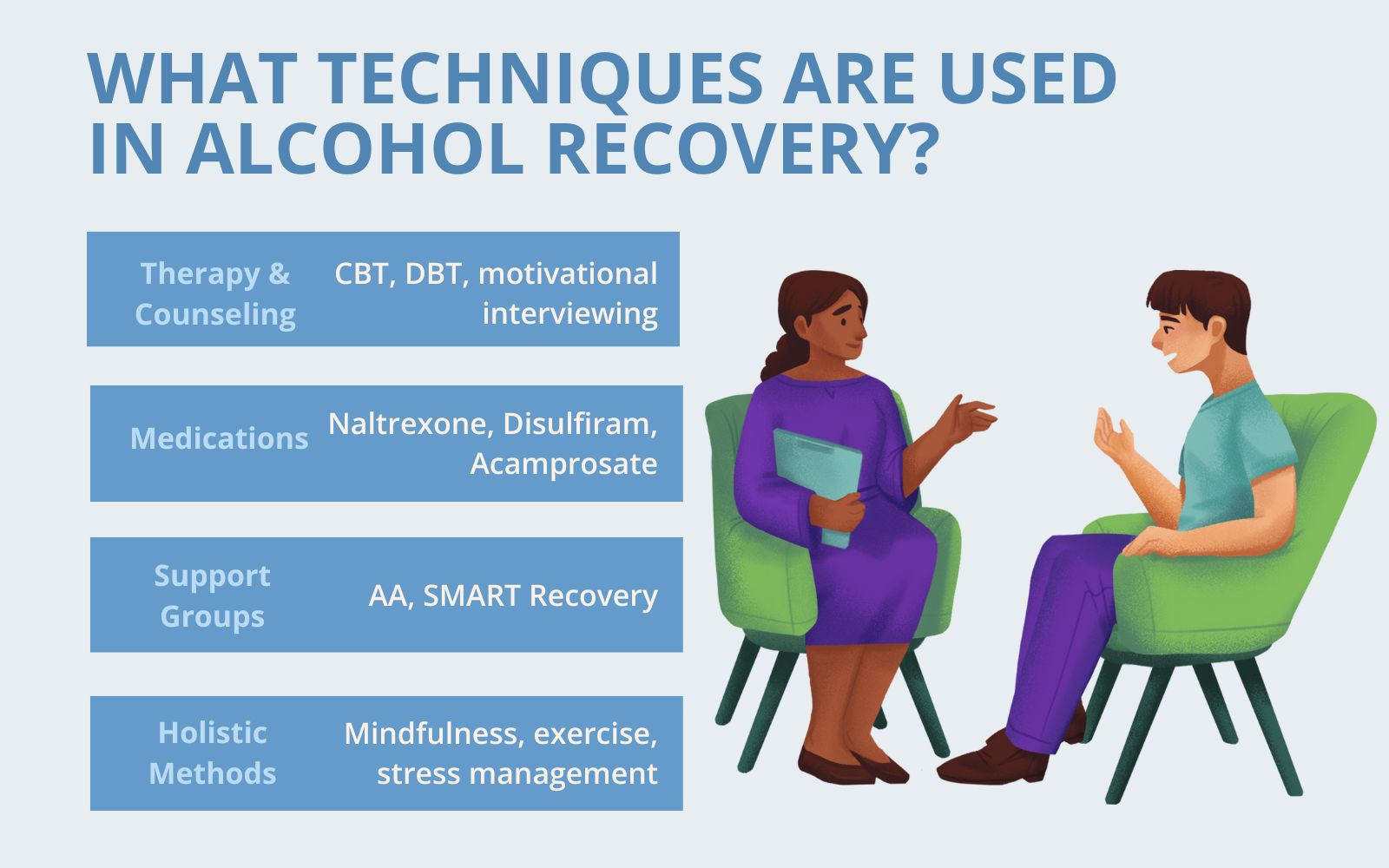
The landscape of addiction treatment is undergoing a profound transformation. For decades, standard clinical approaches have relied heavily on punitive measures or rigid step-based programmes. However, recent data suggests that approximately 65 to 70 percent of individuals with alcohol use disorder relapse within their first year of abstinence when relying solely on these traditional methods. This staggering statistic highlights an urgent need for comprehensive alternatives that address the root biological and psychological causes of dependency. Recognising that addiction is often a biological stress response rather than a moral failing, experts are increasingly advocating for integrated treatments. Adopting a holistic lifestyle helps support overall bodily health and stress reduction, laying a foundational pillar for sustainable mental health recovery.
Today, many professionals find themselves trapped in a cycle of high-functioning dependency. Global workplace studies indicate that almost 48 percent of employees report turning to addictive behaviours or substances specifically to cope with severe professional stress and executive burnout. These individuals frequently rely on alcohol to numb emotional exhaustion or to force sleep after prolonged periods of high cortisol and anxiety. Breaking this cycle requires more than just stopping the substance use. It requires a complete reset of the nervous system.
The Science Behind Environment and Craving Reduction
One of the most significant factors in breaking the cycle of addiction is a physical change in environment. Familiar surroundings are often filled with subtle triggers, from specific social circles to the general stress of urban life. Removing oneself from these toxic triggers and relocating to a tranquil setting allows the nervous system to exit a state of constant hyperarousal.
The clinical benefits of nature exposure in addiction recovery are increasingly well-documented. A recent 2024 peer-reviewed clinical study published in Frontiers in Psychology demonstrates that immersing residential rehab patients in natural environments significantly reduces their substance cravings. The research compared patients taking guided walks in natural settings versus urban environments. The findings were clear. Exposure to nature actively lowered negative mood and increased patients’ overall sense of wellbeing and agency, whereas cravings actually increased after the urban walk. This evidence underscores exactly why stark hospital environments are rapidly being replaced by nature-based wellness centres.
Why Holistic Approaches are Reshaping Treatment
This shift towards nature and wellbeing has sparked massive growth in specialised wellness tourism, particularly in regions known for their natural beauty and tranquil cultures. For example, attending a dedicated alcohol recovery retreat thailand offers individuals the chance to heal in a culturally supportive, immersive jungle setting that fuses traditional wisdom with state-of-the-art psychological therapies. By stepping away from the daily grind, individuals can focus entirely on trauma-informed care and whole-body wellness without the distractions of their normal routine.
Top-tier facilities focus heavily on individualised nervous-system regulation rather than a one-size-fits-all approach. Some of the most effective holistic therapies include:
- Heart Rate Variability (HRV) Biofeedback: This therapy focuses on improving cardiac parasympathetic function. It naturally reduces clinical anxiety and sudden substance cravings without the need for heavy, long-term medication.
- Quantitative Electroencephalogram (qEEG) Neurofeedback: This advanced method trains participants to consciously regulate their alpha and theta brainwave activity. It directly reduces the impulsivity and hyperarousal known to trigger relapse.
- Trauma-Informed Care: Therapists focus on uncovering and healing underlying mental health challenges, such as chronic anxiety or depression, which national health data shows are intricately linked to higher rates of substance use disorder.
- Nutritional and Biological Detoxification: A focus on organic, whole foods and natural physical movement helps repair the biological damage caused by prolonged substance abuse.
Addressing Executive Burnout and Sustainable Sobriety
Achieving sobriety is only the first step. Maintaining it requires building long-term resilience and equipping individuals with the tools to manage inevitable future stressors. The integration of alternative medicine with advanced psychological therapies ensures that individuals leave treatment with a regulated nervous system, capable of handling executive burnout without turning to alcohol.
To ensure sustainable sobriety after patients leave a residential programme, the industry is also adapting its aftercare strategies. Leading holistic centres are increasingly integrating tele-wellness digital tracking. This technology allows professionals to provide remote support and proactively monitor biological relapse risks once the individual returns to their demanding career or home life.
Ultimately, sustainable alcohol recovery demands a multidimensional approach. By combining a restorative natural environment, cutting-edge nervous system regulation, and a strict commitment to holistic wellbeing, individuals can finally break free from the cycle of dependency. Healing the body and mind in harmony creates a lasting, resilient foundation for a healthier, substance-free life.
