
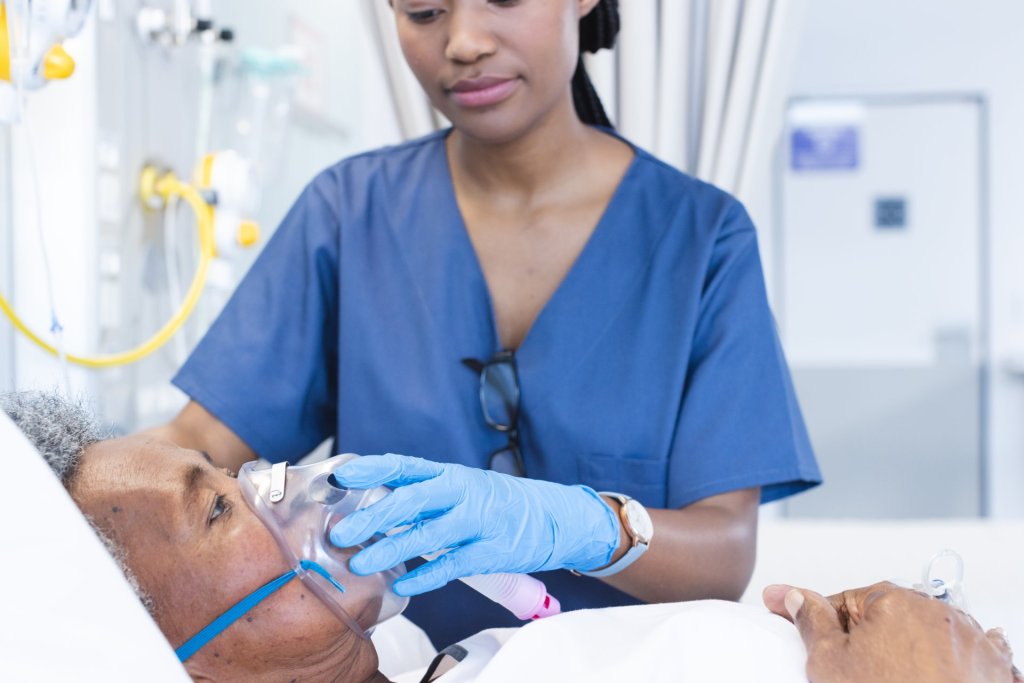
A respiratory therapy degree from Alhambra can be the starting point for a career that puts you directly at the center of patient care when every breath matters.
If you have ever watched a loved one struggle to breathe, you already understand how critical respiratory support can be.
That moment is often when many future respiratory therapists realize they want to make a difference.
I remember sitting in a hospital waiting room while a family member was treated for severe asthma.
The respiratory therapist walked in calmly, adjusted the oxygen flow, explained the process, and within minutes, the panic in the room disappeared.
That experience alone showed me how skilled professionals can bring both technical care and emotional reassurance.
Choosing a respiratory care program is not just about earning a degree.
It is about preparing for real-life situations where your knowledge can save lives.
For those considering this path, learning through a structured program can make all the difference.
You can explore program details here: respiratory therapy degree Alhambra
What You Learn Beyond the Classroom
A strong respiratory therapy program goes far beyond textbooks and lectures.
Students are trained to handle real clinical situations where quick decisions are required.
You do not just learn about lungs and oxygen therapy.
You learn how to respond when a patient cannot breathe on their own.
Courses typically include anatomy, cardiopulmonary physiology, pharmacology, and patient assessment.
Each subject builds a foundation that prepares you for clinical environments.
For example, understanding how oxygen moves through the body helps you adjust ventilator settings correctly.
Knowing how medications affect airways helps you support patients with asthma or chronic lung disease.
I spoke to a student who described their first lab session as overwhelming but exciting.
They were asked to simulate emergency care using a ventilator.
At first, the machines looked complicated.
Within weeks, they were confidently adjusting settings and understanding patient responses.
That transformation shows how hands-on learning builds real confidence.
Developing Clinical Skills That Matter
One of the biggest strengths of respiratory therapy training is clinical exposure.
Students spend time in hospitals, clinics, and healthcare facilities.
This is where theory becomes practice.
You learn how to communicate with patients who may be scared or in pain.
You also learn how to work as part of a healthcare team.
Doctors, nurses, and respiratory therapists rely on each other to deliver care.
In one clinical rotation, a student shared how they assisted with a patient on life support.
The room was intense, and every second counted.
Under supervision, they helped monitor oxygen levels and ventilator settings.
That experience changed how they saw their role.
They were not just learning.
They were contributing to someone’s survival.
These moments prepare you for real patient care better than any lecture ever could.
Understanding Respiratory Conditions
A respiratory therapy program teaches you how to manage a wide range of conditions.
These include asthma, chronic obstructive pulmonary disease, pneumonia, and respiratory failure.
You also learn how to support patients in critical care settings.
For example, patients in intensive care units often require mechanical ventilation.
Respiratory therapists ensure that machines are properly set and functioning.
They also monitor patient response and make adjustments as needed.
I once spoke to a therapist who described working during flu season.
The hospital was full, and many patients needed breathing support.
Their ability to assess each patient quickly helped prevent complications.
That level of responsibility requires both knowledge and confidence.
Building Communication and Compassion
Technical skills are only part of the job.
Communication plays a major role in patient care.
Patients who struggle to breathe often feel anxious.
A calm explanation can ease their fear.
Respiratory therapists must explain treatments clearly and patiently.
They also support families who may be worried.
I remember seeing a therapist explain oxygen therapy to a patient’s family.
They used simple language and answered every question without rushing.
That interaction made the family feel more comfortable and informed.
These human moments are just as important as medical procedures.
Learning to Handle Emergencies
Respiratory therapists often work in high-pressure situations.
Emergency rooms and intensive care units require quick thinking.
Training programs prepare students for these scenarios.
You learn how to respond to cardiac arrest, respiratory distress, and airway obstruction.
Simulation labs play a big role in this training.
Students practice emergency procedures in controlled environments.
This helps build confidence before entering real situations.
A student once shared how their simulation training helped them during an actual emergency.
They recognized the signs of respiratory failure and acted quickly.
Because they had practiced before, they were able to stay calm and focused.
That kind of preparation can make a real difference in patient outcomes.
Career Opportunities After Graduation
Graduates of respiratory therapy programs have a wide range of career options.
Many work in hospitals, where demand for respiratory care continues to grow.
Others find roles in outpatient clinics, rehabilitation centers, or home healthcare.
Some specialize in neonatal or pediatric care.
Working with newborns requires a unique set of skills and attention to detail.
There are also opportunities in pulmonary function testing and sleep studies.
As healthcare evolves, respiratory therapists are becoming even more essential.
The rise in chronic respiratory conditions and aging populations increases the need for skilled professionals.
This makes the field both stable and rewarding.
Why This Career Path Feels Meaningful
Choosing a healthcare career is often about purpose.
Respiratory therapy offers a direct connection to patient outcomes.
You can see the impact of your work immediately.
Helping someone breathe easier is a powerful experience.
One therapist described the moment a patient was taken off a ventilator.
The patient took a deep breath on their own and smiled.
That moment made every challenge worth it.
It is not just about technical success.
It is about improving someone’s quality of life.
Preparing for Long-Term Growth
A respiratory therapy degree is also a foundation for future growth.
Many professionals continue their education and specialize further.
Some move into leadership roles or education.
Others focus on research and advancing respiratory care techniques.
Continuous learning is part of the field.
Medical technology and treatments are always evolving.
Staying updated ensures you provide the best care possible.
Final Thoughts
Pursuing a respiratory therapy degree Alhambra is more than an academic decision.
It is a commitment to helping people in critical moments.
The combination of technical training, clinical experience, and human connection prepares you for real patient care.
Every lesson, every simulation, and every clinical shift builds your confidence.
By the time you graduate, you are not just ready to work.
You are ready to make a difference when it matters most.
